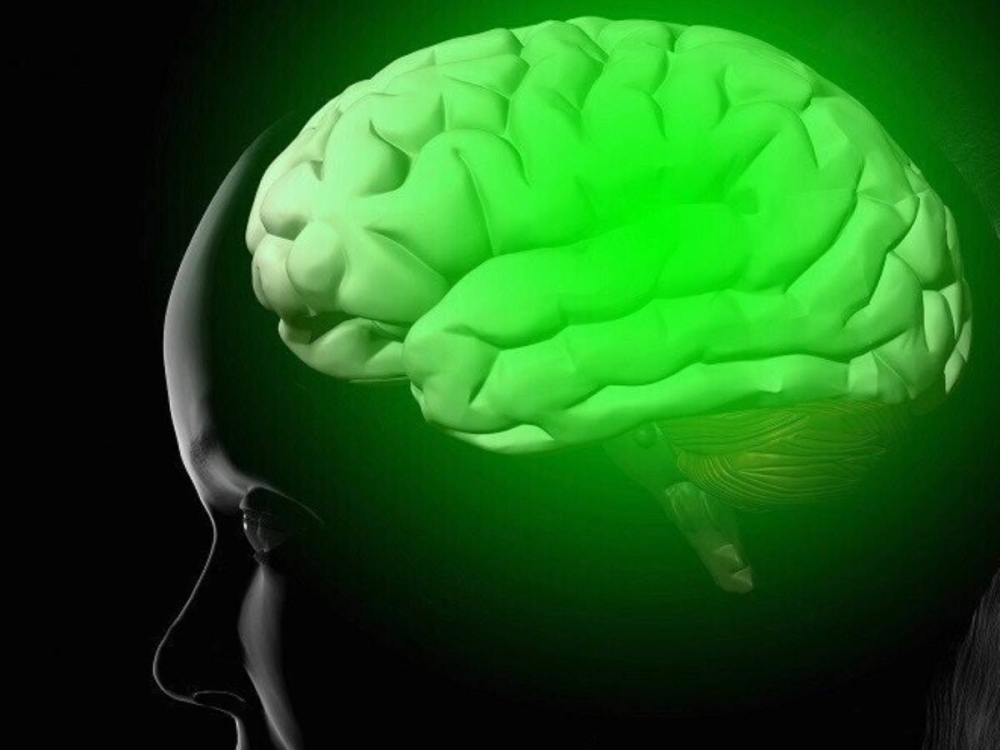
طور علماء صينيون تقنية مبتكرة تحمل اسم «LoongX»، تمكّن الأشخاص الذين يعانون من صعوبات في النطق أو الحركة من تشكيل رسم وتحرير الصور على أجهزة الكمبيوتر باستخدام إشارات الدماغ فقط.
وتسمح التقنية الجديدة للأشخاص الذين يواجهون صعوبات في النطق أو المهارات الحركية بإنشاء محتوى مرئي لمجرد تخيل التعديلات التي يرغبون بها، إذ تعتمد التقنية على واجهة «الدماغ - الحاسوب» التي تتفاعل مع الدماغ من خلال جهاز كهربائي يتم تثبيته على الرأس، فيما تقوم برامج حاسوبية بتحليل إشارات الجسم والدماغ ومعالجتها.
وتشمل إشارات الجسم والدماغ التي تقوم البرامج الحاسوبية بتحليلها، النبضات الكهربائية الصادرة عن الدماغ وتدفق الدم في مناطق الدماغ لتحديد النشاط العصبي، إضافة إلى معدل النبض وحركات الرأس واتجاه النظر لتحديد نوايا المستخدم بدقة.
ووفقاً لدراسة منشورة على منصة البحوث العلمية المفتوحة «arXiv»، تعمل التقنية كجهاز تحكم ذهني، إذ يمكن للمستخدم تخيل التعديلات التي يرغب بها، ويلتقط النظام الإشارات العصبية ويفسّرها الحاسوب ليدخل التعديلات المطلوبة على الصورة تلقائياً، إذ يعتمد النظام على نموذج تعلم آلي يربط بين الأفعال والأفكار من خلال الخبرة التراكمية.
وتشمل «LoongX» عدة عناصر أساسية، منها قاعدة بيانات «L-Mind» تضم آلاف التسجيلات لإشارات الدماغ، إضافة إلى وحدتين لمعالجة الإشارات العصبية وتحويلها إلى أوامر رقمية مفهومة للحاسوب، ونظام «DiT» الذي يعمل كرسام افتراضي يقوم بتنفيذ الأوامر وتحويلها إلى تعديلات بصرية على الصور.
وأظهرت التجارب أن التقنية الجديدة تعمل بكفاءة تقارب دقة الأوامر النصية، وعند دمجها مع الأوامر الصوتية تتحسن دقتها بشكل ملحوظ، إذ ينتج الجمع بين الدماغ والكلام أفضل النتائج.
Chinese scientists have developed an innovative technology called "LoongX," which enables individuals with speech or movement difficulties to create drawings and edit images on computers using only brain signals.
The new technology allows people facing challenges in speech or motor skills to generate visual content simply by imagining the modifications they desire. It relies on a "brain-computer" interface that interacts with the brain through an electrical device attached to the head, while computer programs analyze and process body and brain signals.
The body and brain signals that the computer programs analyze include electrical impulses emitted by the brain and blood flow in brain areas to determine neural activity, in addition to heart rate, head movements, and gaze direction to accurately identify the user's intentions.
According to a study published on the open scientific research platform "arXiv," the technology functions as a mental controller, allowing the user to imagine the desired modifications. The system captures neural signals and the computer interprets them to automatically apply the requested changes to the image, relying on a machine learning model that connects actions and thoughts through cumulative experience.
"LoongX" includes several essential components, such as the "L-Mind" database, which contains thousands of recordings of brain signals, in addition to two units for processing neural signals and converting them into understandable digital commands for the computer, and the "DiT" system, which acts as a virtual painter that executes commands and transforms them into visual modifications on images.
Experiments have shown that the new technology operates with an efficiency close to that of textual commands, and when combined with voice commands, its accuracy improves significantly, as the combination of brain and speech yields the best results.