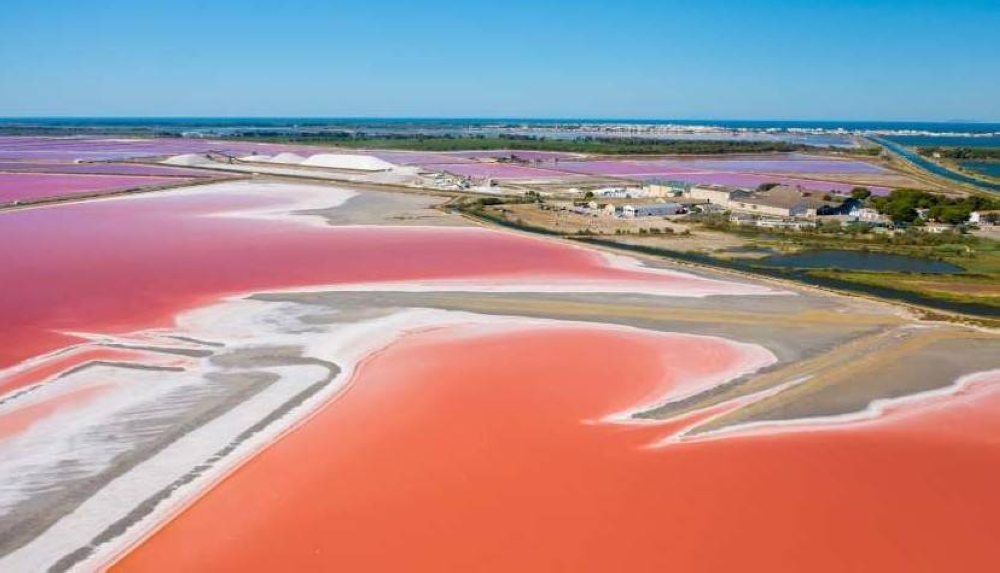
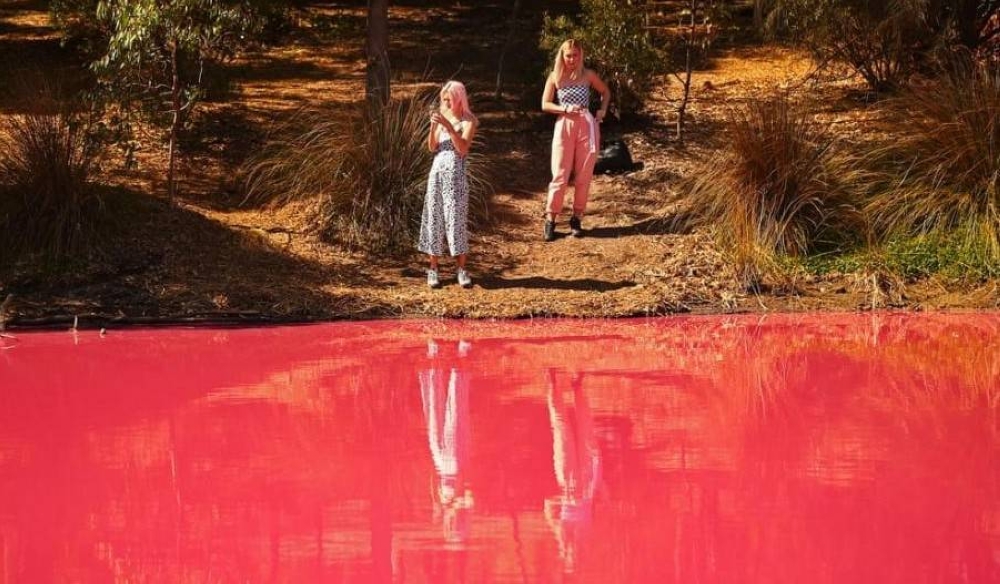
سجلت أستراليا تكاثراً مفرطاً لنوع سام من الطحالب المجهرية أدى إلى نفوق واسع النطاق للأسماك والكائنات البحرية على السواحل الجنوبية، في ظاهرة تُعرف بالمد الأحمر.
وأوضح تقرير رسمي صادر عن وزارة البيئة الأسترالية أن الطحالب، تُعرف علمياً باسم كارينيا ميكيموتوي، بدأت بالظهور منذ مارس الماضي، وامتدت من شبه جزيرة فلوريو إلى نهر بورت وشواطئ مدينة أديلايد.
وبيّنت أن الظاهرة البيئية تسببت في تغيّر لون المياه وظهور رغوة على الشواطئ، دون تسجيل أي آثار صحية مباشرة على الإنسان، لكنها أدت إلى نفوق أعداد كبيرة من الأسماك وأسماك القرش والشفنين البحري.
وأرجع التقرير أسباب هذه الظاهرة إلى موجة حر بحرية بدأت في سبتمبر 2024، وارتفاع حرارة سطح البحر بمعدل 2.5 درجة مئوية فوق المعدلات الموسمية، إضافة إلى فيضانات نهر موراي الموسمية 2022-2023 التي حملت مغذيات طبيعية إلى مياه البحر، إلى جانب تيارات صيفية باردة غير مسبوقة في 2023-2024.
Australia has recorded an excessive proliferation of a toxic type of microalgae that has led to widespread fish and marine life deaths along the southern coasts, in a phenomenon known as red tide.
An official report issued by the Australian Department of Environment explained that the algae, scientifically known as Karenia mikimotoi, began appearing since last March and extended from the Fleurieu Peninsula to the Port River and the beaches of Adelaide.
It indicated that the environmental phenomenon caused a change in water color and the appearance of foam on the beaches, without recording any direct health effects on humans, but it led to the death of large numbers of fish, sharks, and sea mullet.
The report attributed the causes of this phenomenon to a marine heatwave that began in September 2024, and an increase in sea surface temperatures by 2.5 degrees Celsius above seasonal averages, in addition to the seasonal floods of the Murray River 2022-2023 that carried natural nutrients into the sea, along with unprecedented cool summer currents in 2023-2024.