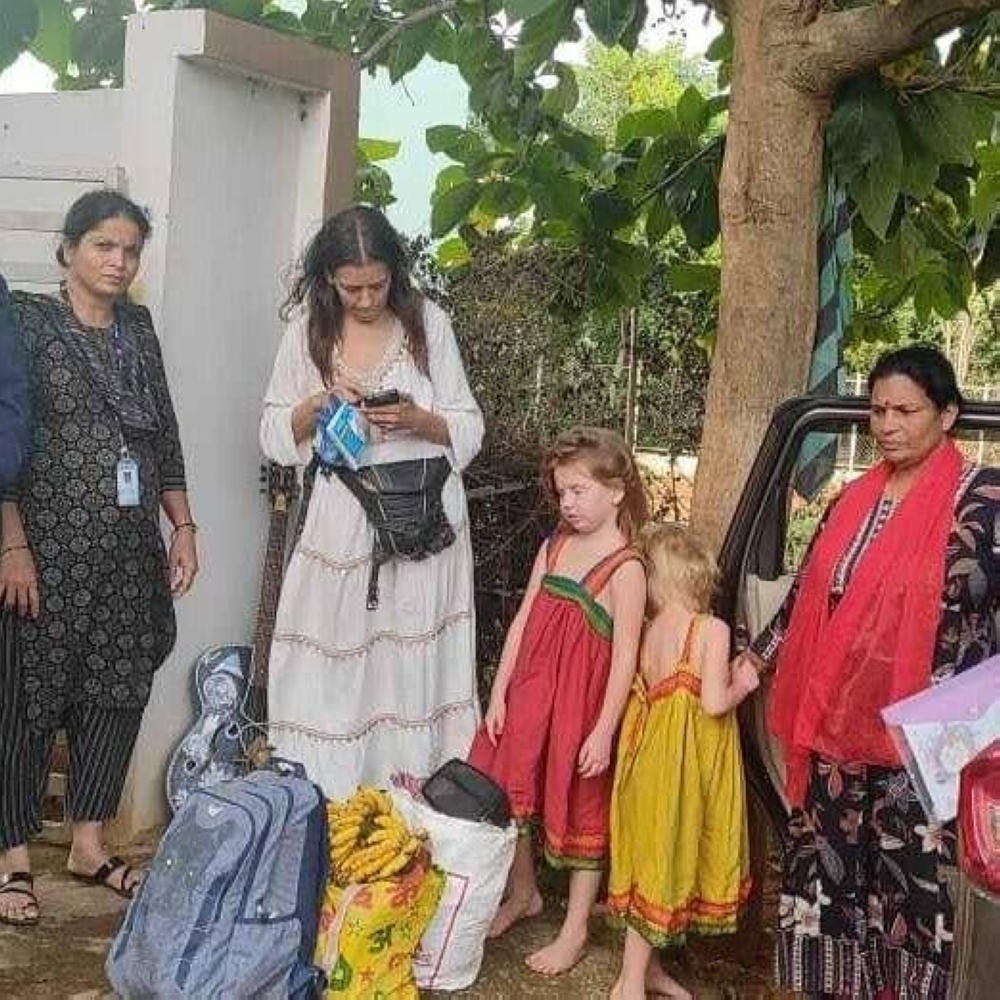
عثرت السلطات الهندية على امرأة روسية تدعى نينا كوتينا (40 عاماً) وطفلتيها الصغيرتين بريا (6 سنوات) وآما (4 سنوات) داخل كهف معزول في غابات ولاية كارناتاكا جنوبي الهند، حيث قضت الأسرة 7 سنوات بعيدة عن الحياة المدنية والعالم الخارجي.
واكتُشفت الأسرة خلال دورية روتينية قام بها فريق بقيادة المفتش سريدهار إس آر، الذي كان يتفقد المنطقة بحثاً عن سياح قد يكونون عالقين في الغابات المعرضة للانهيارات الأرضية، حيث رصدت الشرطة تمثالاً هندوسياً عند مدخل الكهف، مغطى بستائر من الساري الأحمر، وعند الاقتراب، رأى الفريق طفلة شقراء تخرج من الكهف، ما قادهم إلى اكتشاف نينا وطفلتيها.
وكانت الأسرة تعيش في ظروف بدائية، مع ممتلكات قليلة تشمل حصائر بلاستيكية، وملابس، ومؤن غذائية مثل المعكرونة سريعة التحضير، التي كانت نينا تشتريها من قرية قريبة. وبحسب الشرطة، كانت نينا تستخدم ضوء الشمس الطبيعي بدلاً من الإضاءة الاصطناعية، وكانت تقوم بشحن هاتفها أثناء زياراتها النادرة للقرية لشراء الإمدادات.
وتُعد مدينة غوكارنا في ولاية كارناتاكا، جنوب الهند، وجهة سياحية وروحية شهيرة تشتهر بشواطئها الهادئة ومعابدها الهندوسية، مثل معبد ماهاباليشوار، ما يجعلها نقطة جذب للسياح الأجانب الباحثين عن التأمل والعيش في أحضان الطبيعة، ومع ذلك، فإن المناطق الغابية المحيطة بها، مثل تلال راماتيرثا، تُعتبر خطيرة بسبب الانهيارات الأرضية والحيوانات البرية مثل الثعابين.
وأثارت القصة حيرة السلطات، حيث تبين أن نينا، التي دخلت الهند بتأشيرة عمل في أكتوبر 2016، أقامت في البلاد بشكل غير قانوني بعد انتهاء صلاحية تأشيرتها في أبريل 2017. وبحسب التحقيقات، سافرت نينا إلى نيبال في 2018 قبل أن تعود إلى الهند وتستقر في غابات كارناتاكا، حيث عاشت لمدة 7 سنوات بعيداً عن الحياة المدنية، وخلال هذه الفترة، أنجبت ابنتيها في الهند، إحداهما في كهف بولاية غوا، وفقاً لتصريحاتها للشرطة.
ورفضت نينا، التي تُعرف أيضاً باسم «موهي»، فكرة أنها كانت تعرض أطفالها للخطر، مؤكدة في مقابلة مع وكالة الأنباء الهندية أنها تمتلك «خبرة واسعة في العيش وسط الطبيعة»، وأن الكهف كان «واسعاً وجميلاً» وقريباً من قرية تتيح لها شراء الطعام، وأضافت: «لم نكن نموت، ولم أحضر أطفالي ليموتوا في الغابة، كانوا سعداء، يسبحون في الشلالات، ويتعلمون الفنون مثل الرسم والنحت بالطين»، مشيرة إلى أنها كانت تقوم بتعليم ابنتيها بنفسها، وأنها كانت تؤمن بأن «الطبيعة تمنح الصحة».
وأثارت القضية جدلاً حول سلامتها وسلامة طفلتيها، خاصة أن الأب، وهو رجل أعمال إسرائيلي يُدعى درور غولدشتاين، تقدم بشكوى في ديسمبر 2024 متهماً نينا بحرمانه من رؤية ابنتيه، وطالب غولدشتاين بحق الحضانة المشتركة، مشيراً إلى أنه كان يعتني بأحد أبنائها من علاقة سابقة بعد وفاة ابنها الأكبر في حادثة دراجة نارية في غوا عام 2024.
وعملت السلطات الهندية على نقل نينا وابنتيها إلى مركز احتجاز للأجانب بالقرب من بنغالور، في انتظار ترحيلهن إلى روسيا بسبب انتهاك قوانين الهجرة. وعبرت نينا عن استيائها من ظروف مركز الاحتجاز، واصفة إياه بـ«السجن»، وقالت في مقابلتها مع وكالة الأنباء الهندية «عشنا في مكان رائع، لكن الآن لا يمكننا البقاء بمفردنا، المكان متسخ ولا يوجد طعام كافٍ».
The Indian authorities found a Russian woman named Nina Koutina (40 years old) and her two young daughters, Priya (6 years) and Ama (4 years), inside an isolated cave in the forests of Karnataka, southern India, where the family had spent 7 years away from civil life and the outside world.
The family was discovered during a routine patrol by a team led by Inspector Sridhar S.R., who was inspecting the area for tourists who might be trapped in the landslide-prone forests. The police spotted a Hindu statue at the entrance of the cave, covered with red sari curtains, and as they approached, the team saw a blonde girl emerging from the cave, which led them to discover Nina and her daughters.
The family lived in primitive conditions, with few possessions including plastic mats, clothing, and food supplies such as instant noodles, which Nina bought from a nearby village. According to the police, Nina used natural sunlight instead of artificial lighting and charged her phone during her rare visits to the village to buy supplies.
The town of Gokarna in Karnataka, southern India, is a popular tourist and spiritual destination known for its serene beaches and Hindu temples, such as the Mahabaleshwar Temple, making it an attraction for foreign tourists seeking meditation and living close to nature. However, the surrounding forest areas, like the Ramathirtha hills, are considered dangerous due to landslides and wildlife such as snakes.
The story puzzled the authorities, as it turned out that Nina, who entered India on a work visa in October 2016, had been living in the country illegally after her visa expired in April 2017. According to investigations, Nina traveled to Nepal in 2018 before returning to India and settling in the forests of Karnataka, where she lived for 7 years away from civil life. During this time, she gave birth to her daughters in India, one of them in a cave in Goa, according to her statements to the police.
Nina, who is also known as "Mohi," rejected the idea that she was putting her children at risk, asserting in an interview with the Indian news agency that she had "extensive experience living in nature," and that the cave was "spacious and beautiful" and close to a village that allowed her to buy food. She added, "We were not dying, and I did not bring my children to die in the forest; they were happy, swimming in the waterfalls, and learning arts like painting and clay sculpting," noting that she taught her daughters herself and believed that "nature provides health."
The case sparked a debate about her safety and the safety of her daughters, especially since the father, an Israeli businessman named Dror Goldstein, filed a complaint in December 2024 accusing Nina of depriving him of seeing his daughters. Goldstein sought joint custody, stating that he had been caring for one of her children from a previous relationship after the death of her eldest son in a motorcycle accident in Goa in 2024.
The Indian authorities worked to transfer Nina and her daughters to an immigration detention center near Bangalore, awaiting their deportation to Russia due to violations of immigration laws. Nina expressed her dissatisfaction with the conditions of the detention center, describing it as a "prison," and said in her interview with the Indian news agency, "We lived in a wonderful place, but now we cannot stay by ourselves; the place is dirty and there is not enough food."