


أعلن فريق من العلماء عن تطوير لسان اصطناعي قادر على محاكاة براعم التذوق البشرية بدقة غير مسبوقة، في خطوة تُعد تحولاً كبيراً في تقنيات الذكاء الاصطناعي الحسي. ونقل موقع «24.ae» عن الباحثين أن هذا الابتكار يمكن أن يُحدث ثورة في الصناعات الغذائية، خاصة في تقييم النكهات والتأكد من جودتها دون تدخل بشري مباشر.
اللسان الجديد، يتمتع بقدرة على التمييز بين درجات الطعم المختلفة بدقة متناهية، كما يمكن برمجته لاختبار مكونات الطعام وتحليل خصائصه الكيميائية خلال ثوانٍ. ووفق الفريق المطور، فإن التقنية مستوحاة من الطبيعة، وتستخدم مستشعرات نانوية تحاكي طريقة تفاعل اللسان البشري مع الجزيئات.
ويُتوقع أن يجد هذا الابتكار تطبيقات واسعة، ليس فقط في مصانع الأغذية، بل في مجالات مثل الأمن الغذائي، والتغذية العلاجية، وحتى الذكاء الاصطناعي المخصص للمكفوفين أو ذوي الاحتياجات الحسية.
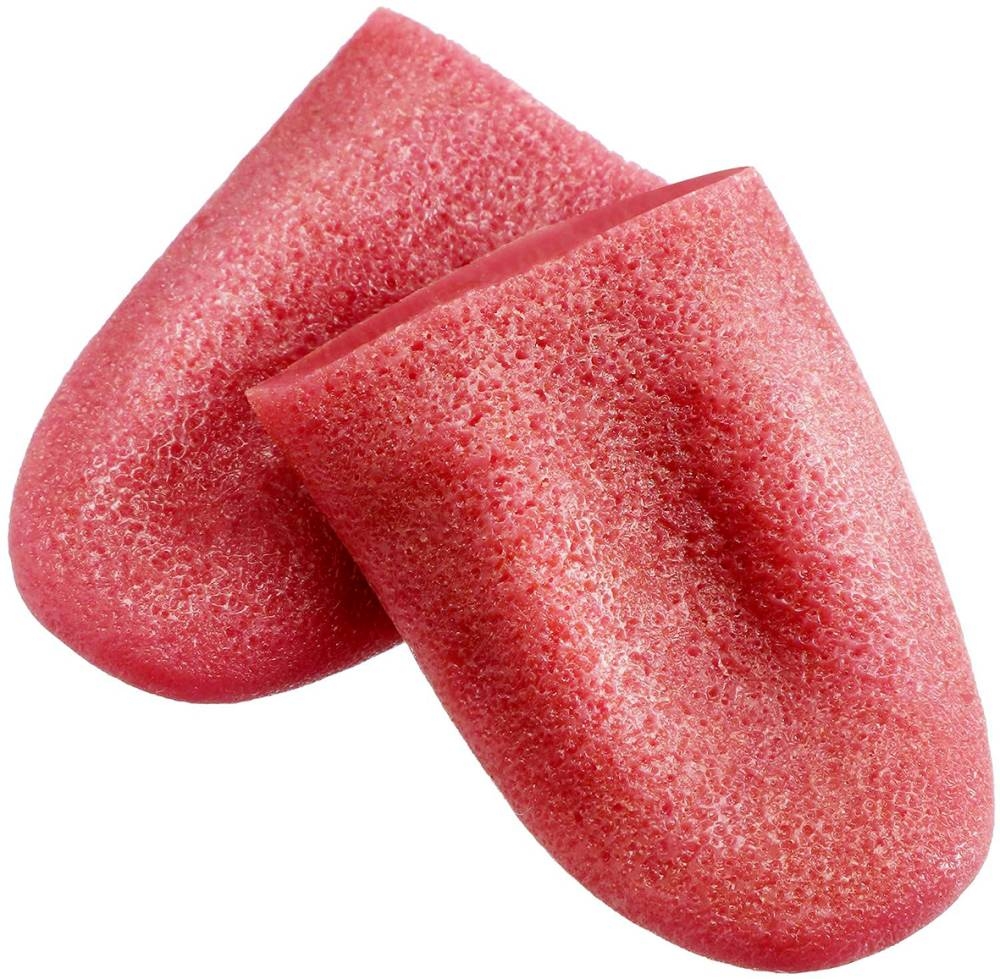
لسان اصطناعي يُحاكي التذوق البشري
16 يوليو 2025 - 05:07
|
آخر تحديث 16 يوليو 2025 - 05:07


تابع قناة عكاظ على الواتساب
«عكاظ» (جدة) OKAZ_online@
A team of scientists has announced the development of an artificial tongue capable of simulating human taste buds with unprecedented accuracy, in a step that represents a significant shift in sensory artificial intelligence technologies. The website "24.ae" reported that this innovation could revolutionize the food industry, especially in flavor evaluation and ensuring quality without direct human intervention.
The new tongue has the ability to distinguish between different taste levels with remarkable precision, and it can be programmed to test food components and analyze their chemical properties within seconds. According to the development team, the technology is inspired by nature and uses nanosensors that mimic the way the human tongue interacts with molecules.
This innovation is expected to find wide applications, not only in food factories but also in fields such as food security, therapeutic nutrition, and even artificial intelligence tailored for the blind or those with sensory needs.
The new tongue has the ability to distinguish between different taste levels with remarkable precision, and it can be programmed to test food components and analyze their chemical properties within seconds. According to the development team, the technology is inspired by nature and uses nanosensors that mimic the way the human tongue interacts with molecules.
This innovation is expected to find wide applications, not only in food factories but also in fields such as food security, therapeutic nutrition, and even artificial intelligence tailored for the blind or those with sensory needs.





