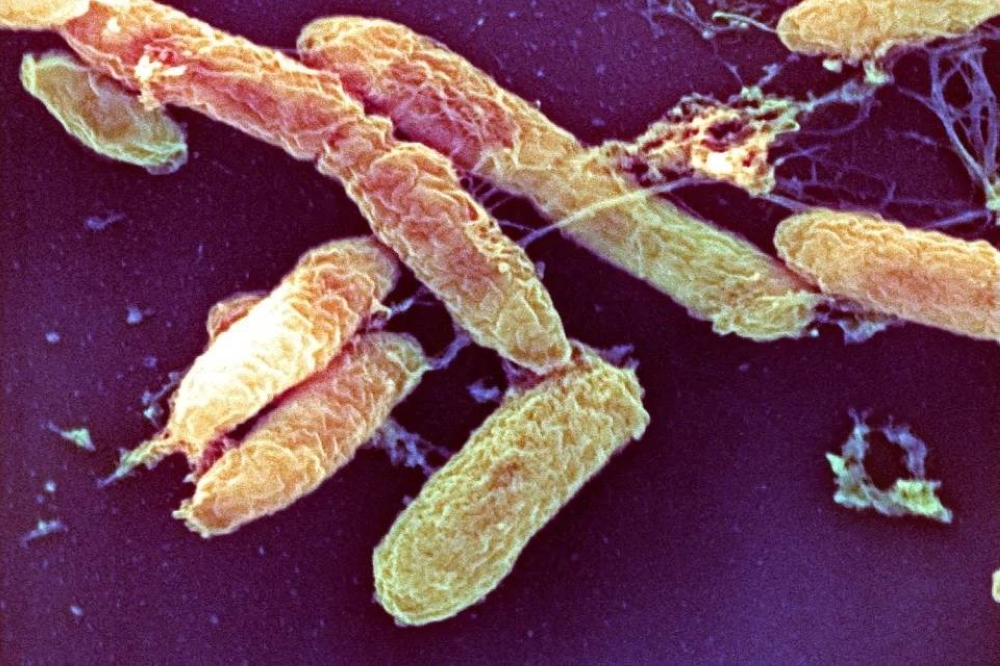
أعلنت السلطات الصحية في مقاطعة كوكونينو بولاية أريزونا الأمريكية عن وفاة شخص بسبب الطاعون الرئوي، وهو الشكل الأكثر ندرة وخطورة من مرض الطاعون الناجم عن بكتيريا «يرسينيا بيستيس».
وتوفي المريض في مستشفى فلاجستاف الطبي، في نفس اليوم الذي وصل فيه إلى قسم الطوارئ مصابًا بأعراض شديدة.
وتعد هذه الحادثة أول وفاة مؤكدة بالطاعون الرئوي في المقاطعة منذ عام 2007، عندما ارتبطت حالة مماثلة بالتفاعل مع حيوان ميت مصاب بالعدوى.
وأكدت الفحوصات السريعة إصابة المريض ببكتيريا «يرسينيا بيستيس»، وهي المسببة للطاعون، بعد أن وصل إلى المستشفى في حالة حرجة وتوفي في غضون ساعات على الرغم من محاولات الإنعاش.
ولم تكشف السلطات عن هوية المريض أو تفاصيل إضافية احترامًا لخصوصية العائلة، وقالت رئيسة مجلس إدارة مقاطعة كوكونين باتريس هورستمان: «قلوبنا مع عائلة وأصدقاء المتوفى، ونحتفظ بهم في أفكارنا خلال هذه الفترة الصعبة».
وأكدت السلطات أن مخاطر انتقال العدوى بين الأفراد تبقى منخفضة للغاية، حيث لم يُسجل انتقال الطاعون الرئوي من إنسان لآخر في الولايات المتحدة منذ عام 1924.
ويُسبب الطاعون بكتيريا «يرسينيا بيستيس»، وله ثلاثة أشكال رئيسية:
- الطاعون الدبلي: الأكثر شيوعًا، ينتقل عادةً عن طريق لدغات البراغيث المصابة أو التعامل مع حيوانات مصابة، مثل القوارض أو القطط. وتظهر الأعراض خلال يومين إلى ثمانية أيام، وتشمل الحمى، الصداع، الضعف، وتورم العقد اللمفاوية (الدبولات) في الإبط أو الفخذ أو الرقبة، وقد تتحول الأنسجة المحيطة إلى اللون الأسود، وهو ما يسمى بـ«الموت الأسود».
- الطاعون الإنتاني: يحدث عندما تنتشر العدوى إلى مجرى الدم، مسببة أعراضًا مثل الحمى، آلام البطن، الصدمة، والنزيف تحت الجلد.
- الطاعون الرئوي: الأكثر خطورة وندرة، حيث تصيب البكتيريا الرئتين، ويمكن أن تنتقل عبر الرذاذ التنفسي. وتشمل الأعراض الحمى، السعال، صعوبة التنفس، وأحيانًا السعال الدموي، ويمكن أن تؤدي إلى الوفاة خلال 24 ساعة إذا لم تُعالج فورًا.
والطاعون الرئوي، على عكس الأشكال الأخرى، قد ينتقل بين البشر عبر الرذاذ التنفسي، ما يجعله الأكثر خطورة، حيث تصل نسبة الوفيات إلى 90% إذا لم يُعالج، ومع ذلك يمكن علاجه بسهولة بالمضادات الحيوية إذا تم تشخيصه مبكرًا.
ويُعرف الطاعون باسم «الموت الأسود»، الذي قضى على ما يصل إلى 60% من سكان أوروبا والشرق الأوسط وأفريقيا بين عامي 1346 و1353.
وفي العصر الحديث، أصبح المرض نادرًا، حيث يُبلغ عن 1,000 إلى 2,000 حالة سنويًا على مستوى العالم، معظمها في أفريقيا وبعض مناطق آسيا والغرب الأمريكي، خصوصاً شمال نيو مكسيكو وأريزونا، وفي الولايات المتحدة، يُسجل نحو 7 حالات سنويًا، وغالبًا ما تكون غير مميتة إذا عولجت مبكرًا.
وفي أريزونا، سُجلت 7 حالات طاعون منذ عام 2006، بما في ذلك حالتين في 2007 (إحداهما مميتة)، وحالة في 2008، واثنتان في 2015، وواحدة في 2017، وأخرى في 2020، وتُعد القوارض، مثل كلاب البراري، مصدرًا رئيسيًا للعدوى، حيث تنقل البراغيث المصابة البكتيريا إلى البشر أو الحيوانات الأليفة، خصوصاً القطط التي تُواجه خطرًا كبيرًا.
وأكدت السلطات أن وفاة الطاعون الرئوي الأخيرة لا علاقة لها بنفوق حديث لكلاب البراري في منطقة تاونسند وينونا شمال شرق فلاجستاف، والذي يُعتبر مؤشرًا محتملاً لوجود الطاعون.
وتعمل إدارة الصحة في المقاطعة مع مالك الأرض الخاصة لجمع البراغيث لفحصها ومعالجة جحور القوارض لتقليل نشاط البراغيث.
The health authorities in Coconino County, Arizona, USA, announced the death of a person due to pneumonic plague, the rarest and most dangerous form of the plague caused by the bacteria "Yersinia pestis."
The patient died at Flagstaff Medical Center on the same day he arrived at the emergency department with severe symptoms.
This incident marks the first confirmed death from pneumonic plague in the county since 2007, when a similar case was linked to interaction with an infected dead animal.
Rapid tests confirmed the patient was infected with the bacteria "Yersinia pestis," which causes the plague, after he arrived at the hospital in critical condition and died within hours despite resuscitation attempts.
The authorities did not disclose the identity of the patient or additional details out of respect for the family's privacy. Coconino County Board Chair Patrice Horstman stated, "Our hearts go out to the family and friends of the deceased, and we keep them in our thoughts during this difficult time."
The authorities confirmed that the risk of transmission between individuals remains extremely low, as no human-to-human transmission of pneumonic plague has been recorded in the United States since 1924.
The plague is caused by the bacteria "Yersinia pestis," and it has three main forms:
- Bubonic plague: the most common form, usually transmitted through bites from infected fleas or contact with infected animals, such as rodents or cats. Symptoms appear within two to eight days and include fever, headache, weakness, and swollen lymph nodes (buboes) in the armpit, groin, or neck, and surrounding tissues may turn black, a condition known as "black death."
- Septicemic plague: occurs when the infection spreads to the bloodstream, causing symptoms such as fever, abdominal pain, shock, and bleeding under the skin.
- Pneumonic plague: the most severe and rare form, where the bacteria infect the lungs and can be transmitted through respiratory droplets. Symptoms include fever, cough, difficulty breathing, and sometimes coughing up blood, and it can lead to death within 24 hours if not treated immediately.
Pneumonic plague, unlike the other forms, can be transmitted between humans through respiratory droplets, making it the most dangerous, with a mortality rate of up to 90% if untreated; however, it can be easily treated with antibiotics if diagnosed early.
The plague is known as "the black death," which wiped out up to 60% of the population in Europe, the Middle East, and Africa between 1346 and 1353.
In modern times, the disease has become rare, with 1,000 to 2,000 cases reported annually worldwide, mostly in Africa and some areas of Asia and the western United States, particularly northern New Mexico and Arizona. In the United States, about 7 cases are recorded annually, often non-fatal if treated early.
In Arizona, 7 cases of plague have been recorded since 2006, including two cases in 2007 (one of which was fatal), one case in 2008, two in 2015, one in 2017, and another in 2020. Rodents, such as prairie dogs, are a major source of infection, as infected fleas transmit the bacteria to humans or pets, especially cats, which are at significant risk.
The authorities confirmed that the recent death from pneumonic plague is not related to the recent die-off of prairie dogs in the Townsend-Winona area northeast of Flagstaff, which is considered a potential indicator of the presence of plague.
The county health department is working with the private landowner to collect fleas for testing and to treat rodent burrows to reduce flea activity.