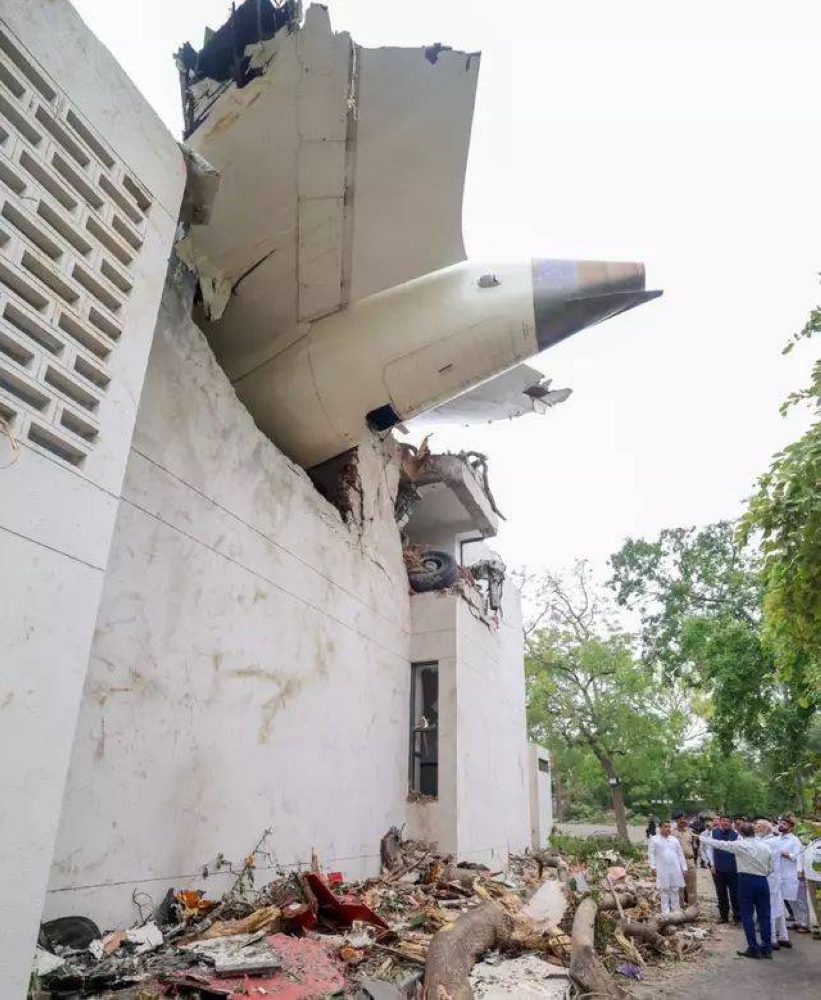
خلُص تحقيق أولي في حادثة تحطم طائرة الخطوط الجوية الهندية منتصف يونيو الماضي، إلى أن مفاتيح التحكم في ضخ الوقود إلى محركي الطائرة انتقلت من وضع التشغيل إلى الإيقاف، قبل لحظات من تحطم الطائرة الذي أدّى إلى مقتل 260 شخصاً.
ولم يقدم التقرير الذي أصدره «مكتب التحقيق في حوادث الطائرات» الهندي أي استنتاجات حول المسؤول عن الكارثة، لكنه أشار إلى سؤال وجهه أحد الطيارين لزميله عن سبب قطعه الوقود، ليجيبه الطيار الثاني بأنه لم يفعل.
ثم عادت مفاتيح الوقود إلى وضع التشغيل وبدأ المحركان باستعادة طاقتيهما، لكن «أحد الطيارين أرسل نداء استغاثة مايداي مايداي مايداي». وسأل مراقبو الحركة الجوية الطيارين عن المشكلة، لكنهم سرعان ما شاهدوا الطائرة تهوي وتتحطم، حيث استدعوا فرق الطوارئ إلى موقع الحادثة.
وذكر مكتب التحقيق الهندي في تقريره المكون من 15 صفحة أنه بمجرد أن وصلت الطائرة إلى أقصى سرعة مسجلة لها، «انتقل مفتاحا الوقود للمحرك 1 والمحرك 2 من وضع التشغيل إلى الإيقاف واحداً تلو الآخر بفارق زمني قدره ثانية واحدة».
وأضاف التقرير نقلاً عن التسجيل الصوتي من قمرة القيادة وقت وقوع الحادثة: «يُسمع أحد الطيارين وهو يسأل الآخر لماذا أوقف مفتاح الوقود. فيجيبه الآخر بأنه لم يفعل ذلك»، قبل أن تبدأ الطائرة بالهبوط بسرعة.
وأكد المكتب أن التحقيق جارٍ، وأنه تم «طلب أدلة ومعلومات إضافية من الجهات المعنية». وكانت الطائرة من طراز «بوينغ 787-8 دريملاينر» متجهة من أحمد أباد غربي الهند إلى لندن، وتقل 230 راكباً، بينهم 169 هندياً و53 بريطانياً و7 برتغاليين وكندي واحد، إضافة إلى 12 من أفراد الطاقم. وأصيب العشرات من الأشخاص على الأرض. ونجا مواطن بريطاني من أصول هندية بأعجوبة، وشوهد وهو يخرج من بين حطام الطائرة قبل أن يتلقى العلاج في المستشفى ويغادر.
An initial investigation into the crash of the Indian Airlines plane in mid-June concluded that the fuel control switches for the aircraft's engines moved from the "on" position to "off" moments before the crash, which resulted in the deaths of 260 people.
The report issued by the Indian Aircraft Accident Investigation Bureau did not draw any conclusions about who was responsible for the disaster, but it mentioned a question posed by one pilot to his colleague about why he cut off the fuel, to which the second pilot replied that he did not.
The fuel switches then returned to the "on" position, and the engines began to regain power, but "one of the pilots sent a distress call saying Mayday Mayday Mayday." Air traffic controllers asked the pilots about the problem, but they soon saw the plane descending and crashing, prompting them to call emergency teams to the scene of the incident.
The Indian investigation bureau stated in its 15-page report that once the aircraft reached its maximum recorded speed, "the fuel switches for engine 1 and engine 2 moved from the 'on' position to 'off' one after the other with a time gap of one second."
The report added, quoting the cockpit audio recording at the time of the incident: "One of the pilots can be heard asking the other why the fuel switch was turned off. The other replies that he did not do that," before the plane began to descend rapidly.
The bureau confirmed that the investigation is ongoing and that "additional evidence and information have been requested from the relevant authorities." The aircraft, a Boeing 787-8 Dreamliner, was en route from Ahmedabad in western India to London, carrying 230 passengers, including 169 Indians, 53 Britons, 7 Portuguese, and one Canadian, in addition to 12 crew members. Dozens of people on the ground were injured. A British citizen of Indian descent miraculously survived and was seen emerging from the wreckage before receiving treatment at the hospital and leaving.