


هل ينجح مسلسل مصطفى محمود؟ بين تعقيد الفكرة وتحدي الجماهيرية
3 يوليو 2025 - 06:02
|
آخر تحديث 3 يوليو 2025 - 16:47


تابع قناة عكاظ على الواتساب
«عكاظ» (جدة) okaz_online@
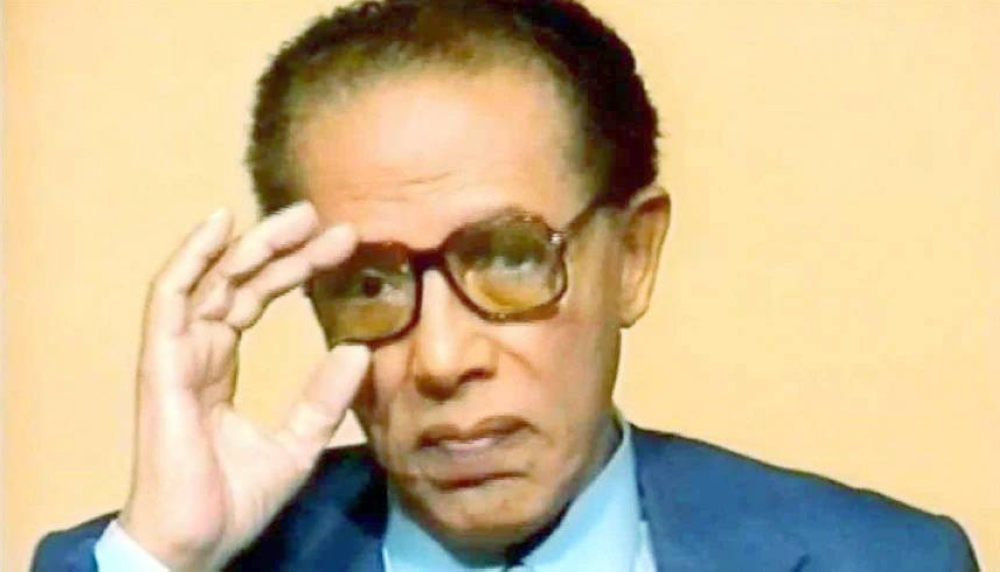
تستعد الساحة الدرامية لعمل جديد يعيد إلى الواجهة سيرة أحد أكثر المفكرين إثارة للجدل في العالم العربي، الدكتور مصطفى محمود. إذ بدأت المنتجة مها سليم، التحضير لمسلسل درامي جديد يُعرض في رمضان 2026، يتناول حياة الكاتب والطبيب والفيلسوف المصري، ويُنتظر أن ينطلق تصويره مطلع العام المقبل، بعد الانتهاء من كتابة المعالجة النهائية والنص الكامل للعمل، الذي ما زال في مرحلة اختيار أبطاله ومخرجه.
هذه الخطوة تُعيد إلى الأذهان تجارب سابقة في دراما السير ذات البُعد الثقافي، مثل مسلسلات أم كلثوم، والإمام الشعراوي، وعبدالحليم حافظ، التي حققت نجاحات متفاوتة بين الشعبية والرمزية.
لكن السؤال المطروح: هل تنجح دراما مصطفى محمود، في اجتذاب الجمهور نفسه؟ فالرجل لم يكن مغنيًا ولا فقيهًا تقليديًا ولا رمزًا شعبيًا، بل كان مفكرًا حائرًا خاض صراعات وجودية مع نفسه ومع مؤسسات عصره، وجال بين الفلسفة والعلم والدين، وكتب في مجالات شائكة تتطلب خلفية معرفية لفهمها.
هنا تكمن المعضلة الدرامية، كيف يمكن تحويل سردية فكرية وفلسفية، مثل «رحلتي من الشك إلى الإيمان»، إلى حبكة تشد جمهورًا تعوّد على الإيقاع السريع والصراع المباشر؟ وهل يستطيع النص والإخراج أن يعبرا عن تحولات مصطفى محمود الفكرية المعقدة دون الوقوع في المباشرة أو التبسيط المُخل؟
المسلسل فرصة لصناعة دراما فكرية نادرة، لكنه في الوقت ذاته مقامرة فنية لا يحتمل فيها التردد أو الخطأ.
The dramatic scene is preparing for a new work that brings back to the forefront the life of one of the most controversial thinkers in the Arab world, Dr. Mustafa Mahmoud. Producer Maha Saleem has begun preparations for a new drama series set to air in Ramadan 2026, which will explore the life of the Egyptian writer, doctor, and philosopher. Filming is expected to commence at the beginning of next year, after completing the final treatment and the full script of the work, which is still in the process of selecting its cast and director.
This step recalls previous experiences in the drama of biographical narratives with a cultural dimension, such as the series on Umm Kulthum, Imam Al-Shahrouri, and Abdel Halim Hafez, which achieved varying degrees of success between popularity and symbolism.
But the question arises: Will the drama of Mustafa Mahmoud succeed in attracting the same audience? The man was neither a singer nor a traditional scholar nor a popular symbol; rather, he was a perplexed thinker who engaged in existential struggles with himself and with the institutions of his time, traversing between philosophy, science, and religion, and writing in complex fields that require a knowledgeable background to understand.
Here lies the dramatic dilemma: how can an intellectual and philosophical narrative, such as "My Journey from Doubt to Faith," be transformed into a plot that captivates an audience accustomed to fast-paced rhythms and direct conflict? Can the script and direction express Mustafa Mahmoud's complex intellectual transformations without falling into directness or harmful simplification?
The series presents an opportunity to create a rare intellectual drama, but at the same time, it is an artistic gamble where hesitation or mistakes cannot be afforded.


