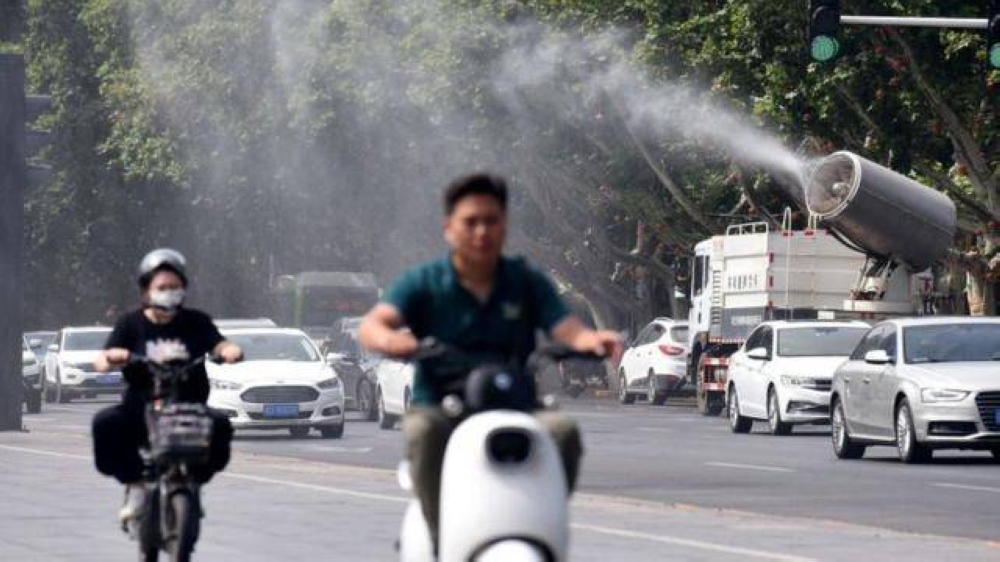
أطلقت المنظمة العالمية للأرصاد الجوية، التابعة للأمم المتحدة، تحذيرًا عاجلاً من أن العالم سيواجه موجات حر «أكثر شدة وتواترًا» في المستقبل نتيجة تفاقم ظاهرة التغير المناخي الناجم عن الأنشطة البشرية، مؤكدة أن ارتفاع درجات الحرارة العالمية، الناتج عن زيادة انبعاثات غازات الاحتباس الحراري، يؤدي إلى زيادة حدة ومدة هذه الموجات الحرارية، مما يشكل تهديدًا خطيرًا على الصحة العامة، البنية التحتية، والنظم البيئية.
وأشارت المنظمة الأممية -في تقرير حديث لها- إلى أن صيف 2025 قد يشهد درجات حرارة تتجاوز المعدلات الطبيعية في مناطق مثل شمال إفريقيا والخليج العربي، حيث سجلت درجات حرارة في السعودية وموريتانيا تجاوزت 45 درجة مئوية خلال مايو الماضي. ووصفت المنظمة موجات الحر بـ«القاتل الصامت»، حيث تتسبب في ارتفاع معدلات الوفيات، خصوصا في المدن التي تعاني من الإجهاد الحراري بسبب التحضر المتزايد وارتفاع درجات الحرارة ليلاً، مما يمنع الجسم من التعافي.
وتُعزى هذه الظاهرة إلى النشاط البشري، خصوصا حرق الوقود الأحفوري مثل الفحم والنفط والغاز، الذي يزيد من تركيزات غازات الاحتباس الحراري في الغلاف الجوي، مما يحبس الحرارة ويرفع درجات الحرارة العالمية.
ووفقا لتقرير صادر عن المنظمة العالمية للأرصاد الجوية ومكتب الأرصاد الجوية البريطاني، قد أدى أكثر من قرن من الاستخدام غير المستدام للطاقة إلى ارتفاع درجة حرارة الأرض بمقدار 1.1 درجة مئوية فوق مستويات ما قبل الثورة الصناعية، مع احتمالية تجاوز 1.5 درجة مئوية بين 2025 و2029 بنسبة 70%.
وتؤثر موجات الحر على الصحة العامة بشكل مباشر، حيث تزيد من مخاطر الإصابة بالنوبات القلبية وضربات الشمس، خصوصا بين الفئات الأكثر ضعفًا مثل كبار السن والأطفال، كما تتسبب في تفاقم الأمراض المزمنة مثل أمراض القلب والجهاز التنفسي. في صيف 2023، تسببت الحرارة الشديدة في أوروبا بوفاة أكثر من 60,000 شخص، وهو رقم قد يكون أعلى بكثير في مناطق أخرى بسبب نقص تسجيل الوفيات المرتبطة بالحرارة.
على الصعيد البيئي، تزيد موجات الحر من مخاطر حرائق الغابات، كما حدث في كندا عام 2023، حيث دمرت حرائق الغابات أكثر من 24.7 مليون هكتار، وهو رقم قياسي، كما تؤدي إلى تفاقم الجفاف وشح المياه، مما يهدد الأمن الغذائي والتنمية المستدامة، خصوصا في دول مثل العراق التي تعاني من تصحر واسع وانخفاض منسوب الأنهار.
ودعت المنظمة العالمية للأرصاد الجوية إلى تعزيز أنظمة الإنذار المبكر ووضع خطط طوارئ وطنية لحماية الأرواح، وأكدت على ضرورة تقليل انبعاثات غازات الاحتباس الحراري من خلال التحول إلى مصادر الطاقة المتجددة، مثل الطاقة الشمسية وطاقة الرياح، التي شهدت زيادة بنسبة 50% في عام 2023 مقارنة بالعام السابق، كما شددت على أهمية الاستعداد المجتمعي من خلال توفير ملاجئ مكيفة، مراقبة التوقعات الجوية، وتجنب التعرض المباشر للشمس.
وقالت كلير ناليس، المتحدثة باسم المنظمة، إن «القبة الحرارية» فوق البحر الأبيض المتوسط تساهم في حبس الحرارة، مما يزيد من تأثير الموجات الحرارية في المناطق الساحلية، وأضافت أننا «نشهد الآن درجات حرارة كانت تظهر عادة في منتصف الصيف، وليس في بداياته».
The World Meteorological Organization, a UN agency, has issued an urgent warning that the world will face "more intense and frequent" heatwaves in the future due to the worsening phenomenon of climate change caused by human activities. It emphasized that the rise in global temperatures, resulting from increased greenhouse gas emissions, leads to more severe and prolonged heatwaves, posing a serious threat to public health, infrastructure, and ecosystems.
The UN agency noted in a recent report that the summer of 2025 may witness temperatures exceeding normal levels in areas such as North Africa and the Arabian Gulf, where temperatures in Saudi Arabia and Mauritania surpassed 45 degrees Celsius during last May. The organization described heatwaves as a "silent killer," as they contribute to increased mortality rates, especially in cities suffering from heat stress due to rising urbanization and nighttime temperatures, which prevent the body from recovering.
This phenomenon is attributed to human activity, particularly the burning of fossil fuels such as coal, oil, and gas, which increases the concentrations of greenhouse gases in the atmosphere, trapping heat and raising global temperatures.
According to a report from the World Meteorological Organization and the UK Met Office, over a century of unsustainable energy use has led to a rise in Earth's temperature by 1.1 degrees Celsius above pre-industrial levels, with a 70% chance of exceeding 1.5 degrees Celsius between 2025 and 2029.
Heatwaves directly impact public health, increasing the risks of heart attacks and heat strokes, particularly among the most vulnerable groups such as the elderly and children. They also exacerbate chronic diseases such as heart and respiratory conditions. In the summer of 2023, extreme heat in Europe caused the deaths of over 60,000 people, a number that could be much higher in other regions due to underreporting of heat-related deaths.
Environmentally, heatwaves increase the risk of wildfires, as seen in Canada in 2023, where wildfires destroyed over 24.7 million hectares, a record figure. They also exacerbate drought and water scarcity, threatening food security and sustainable development, especially in countries like Iraq that suffer from widespread desertification and declining river levels.
The World Meteorological Organization called for enhancing early warning systems and establishing national emergency plans to protect lives. It stressed the need to reduce greenhouse gas emissions by transitioning to renewable energy sources, such as solar and wind energy, which saw a 50% increase in 2023 compared to the previous year. It also emphasized the importance of community preparedness by providing air-conditioned shelters, monitoring weather forecasts, and avoiding direct sun exposure.
Claire Nalis, a spokesperson for the organization, stated that the "heat dome" over the Mediterranean is contributing to heat retention, increasing the impact of heatwaves in coastal areas. She added that we are "now witnessing temperatures that would typically occur in mid-summer, not at its beginning."