


من جبال المدينة إلى عمرانها.. الأحجار تنسج هوية المكان وتحفظ تاريخه
30 يونيو 2025 - 17:01
|
آخر تحديث 30 يونيو 2025 - 17:01


تابع قناة عكاظ على الواتساب
«عكاظ» (المدينة المنورة)
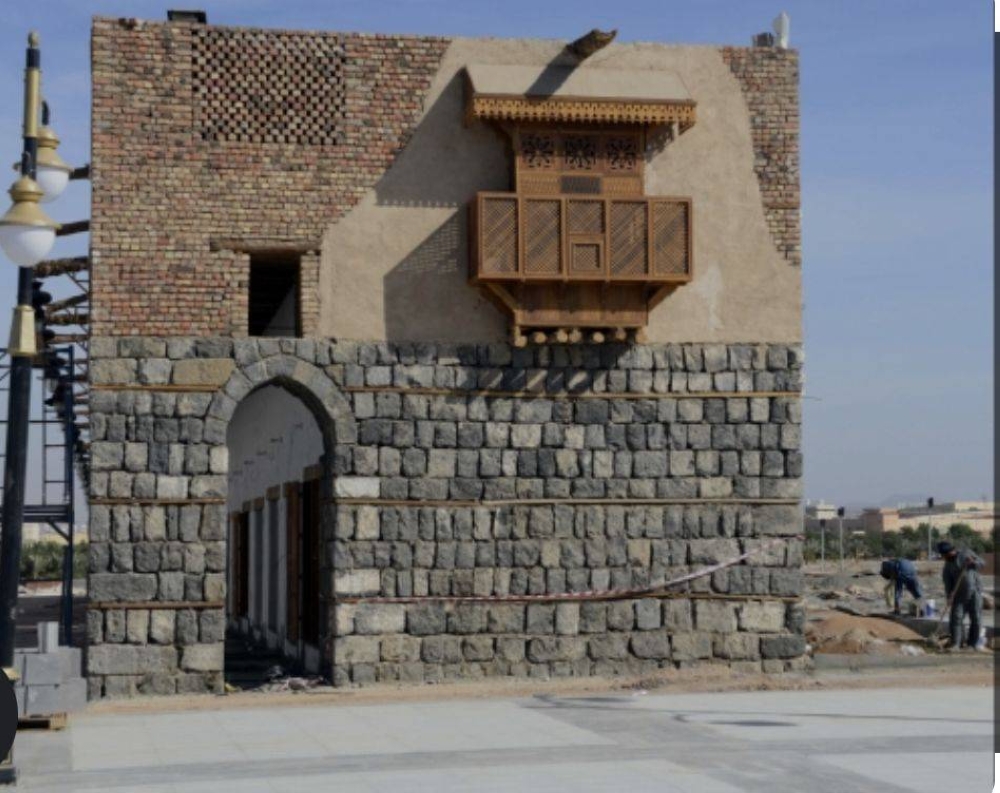
تُشكّل الصخور الطبيعية في جبال المدينة المنورة وحرّاتها، مثل البازلت الأسود والجرانيت، عنصراً أساسياً في العمارة التقليدية والمعاصرة بالمنطقة، إذ استُخدمت عبر التاريخ في بناء المنازل والقلاع والأسوار والمعالم، وأسهمت في المحافظة على مستوى العزل الحراري للمسكن، وخفض درجة الحرارة عن محيطه الخارجي، ولا تزال العديد من هذه المباني تحتفظ بجمالها ومتانتها حتى اليوم. وتبرز هذه الأحجار في عمارة المسجد النبوي، والمساجد الكبرى، والمواقع التاريخية، والمعالم الأثرية، حيث أسهمت في الحفاظ على الهوية العمرانية للمدينة المنورة وتطويع البناء؛ ليتماشى مع البيئة والمناخ المحلي، مثل استخدامها في مشاريع الترميم والتأهيل التي تنفذها هيئة تطوير المدينة المنورة وهيئة التراث، ما أعاد إحياء عدد من المواقع الأثرية بطابع يجمع بين الأصالة والحداثة. واستخدمت الأحجار والصخور الطبيعية في تنفيذ مشروع «أنسنة المدينة المنورة» بالمناطق المركزية، وتشكيل ميادين المشاة ومقاعد الجلوس ورصف الطرق، خاصة على ضفاف الأودية المعاد تأهيلها مثل وادي العقيق ووادي قناة، بما يعزز من جاذبية المدينة وجهة ثقافية وسياحية ويصون طابعها العمراني الفريد. ويشاهد زائر المدينة المنورة الطابع المعماري للعديد من المواقع التاريخية التي استخدمت الأحجار الطبيعية في بنائها، بجدرانها السميكة، وأحجارها المتناسقة، ولونها الموحّد، وأحجامها المتقاربة، وجسّدت تلك المواقع مهارة الحرفيين في الاستفادة من الحجر في إعادة تأهيلها، وتوظيف النوع ذاته في استكمال الأجزاء المهدمة، وبأحجام مناسبة؛ لتعيد للموقع الأثري جميع مكوناته، وشكله المعماري المتميز.
The natural rocks in the mountains of Medina and its heat, such as black basalt and granite, form an essential element in both traditional and contemporary architecture in the region. Throughout history, they have been used in the construction of houses, castles, walls, and landmarks, contributing to the preservation of thermal insulation levels in homes and reducing the temperature compared to their external surroundings. Many of these buildings still retain their beauty and durability to this day. These stones are prominent in the architecture of the Prophet's Mosque, major mosques, historical sites, and archaeological landmarks, where they have helped maintain the architectural identity of Medina and adapt construction to align with the local environment and climate. This includes their use in restoration and rehabilitation projects carried out by the Medina Development Authority and the Heritage Authority, which have revived several archaeological sites with a character that blends authenticity and modernity. Natural stones and rocks have been used in the implementation of the "Humanization of Medina" project in central areas, shaping pedestrian squares, seating areas, and paving roads, especially along the rehabilitated valleys such as Wadi Al-Aqiq and Wadi Qana, enhancing the city's appeal as a cultural and tourist destination while preserving its unique architectural character. Visitors to Medina can observe the architectural style of many historical sites that used natural stones in their construction, with their thick walls, harmonious stones, uniform color, and similar sizes. These sites embody the artisans' skill in utilizing stone for their rehabilitation and employing the same type to complete the demolished parts, using appropriately sized stones to restore the archaeological site to all its components and its distinctive architectural form.


