كشفت دراسة حديثة من جامعة سيدني بالتعاون مع جامعة غريفيث في أستراليا، أن ضرب الكرة بالرأس في كرة القدم يؤدي إلى تغيّرات فورية في كيمياء الدماغ، حتى دون ظهور أي أعراض مباشرة على اللاعب.
وشملت الدراسة 15 لاعباً هاوياً قاموا بضرب الكرة بالرأس 20 مرة خلال فترة قصيرة. بعد ذلك، خضع اللاعبون لفحوص تصويرية وتحاليل دم أظهرت ارتفاعاً في مواد بروتينية تُعرف بأنها ترتبط بإصابات الدماغ، من أبرزها بروتينات تظهر عادة عند حدوث تلف في الخلايا العصبية.
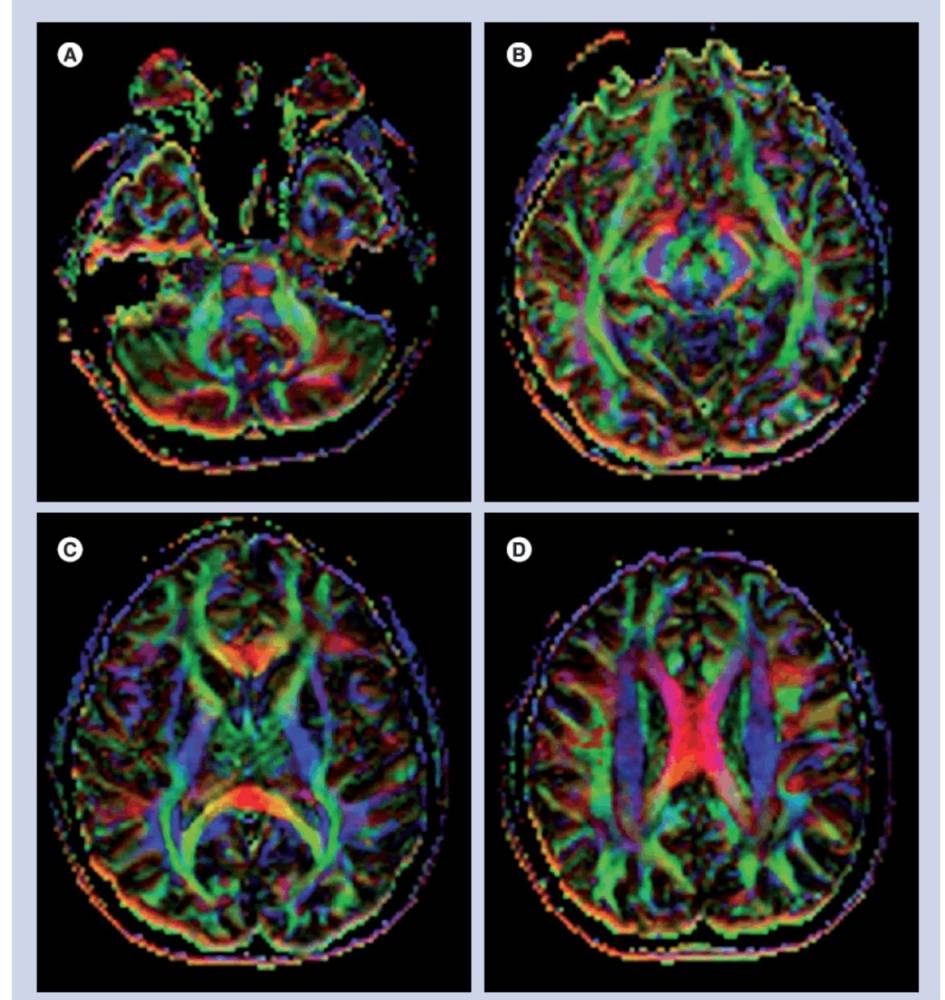
كما كشفت صور الدماغ تغيّرات في النشاط العصبي داخل مناطق مسؤولة عن الحركة والتوازن، مثل الفص الجبهي والمخيخ. ورغم أن المشاركين لم تظهر عليهم أعراض واضحة مثل الدوار أو التشويش الذهني، إلا أن الباحثين اعتبروا ما حدث بمثابة «تأثير صامت» قد يتراكم على مدى السنوات.
وقال الدكتور ناثان ديلانج، المشرف على الدراسة، إن ما يحدث داخل الدماغ بعد ضرب الكرة لا يُرى بالعين المجردة، لكن آثاره موجودة، وقد تكون خطيرة إذا تكررت على مدى طويل.
وتأتي هذه النتائج في وقت تتصاعد فيه المطالب حول العالم بوضع ضوابط لاستخدام الرأس في كرة القدم، خصوصاً للفئات العمرية الصغيرة. وقد بدأت بعض الدول بالفعل تطبيق قيود تمنع الأطفال من استخدام الرأس خلال اللعب.
وأوصى الباحثون بضرورة مراقبة آثار استخدام الرأس في المدى البعيد، من خلال متابعة اللاعبين لسنوات طويلة، للكشف المبكر عن أي تغيرات في الوظائف الدماغية أو الحالة الذهنية.
A recent study from the University of Sydney in collaboration with Griffith University in Australia revealed that heading the ball in soccer leads to immediate changes in brain chemistry, even without any direct symptoms appearing in the player.
The study involved 15 amateur players who headed the ball 20 times over a short period. After that, the players underwent imaging scans and blood tests that showed an increase in protein substances known to be associated with brain injuries, most notably proteins that typically appear when there is damage to nerve cells.
Brain images also revealed changes in neural activity within areas responsible for movement and balance, such as the frontal lobe and cerebellum. Although the participants did not exhibit clear symptoms like dizziness or mental confusion, the researchers considered what occurred to be a "silent effect" that may accumulate over the years.
Dr. Nathan Delaing, the supervisor of the study, stated that what happens inside the brain after heading the ball is not visible to the naked eye, but its effects are present and could be dangerous if repeated over a long period.
These findings come at a time when demands are rising worldwide to impose regulations on heading in soccer, especially for younger age groups. Some countries have already begun to implement restrictions preventing children from heading the ball during play.
The researchers recommended the need to monitor the long-term effects of heading, by following players over many years, to detect any early changes in brain functions or mental state.