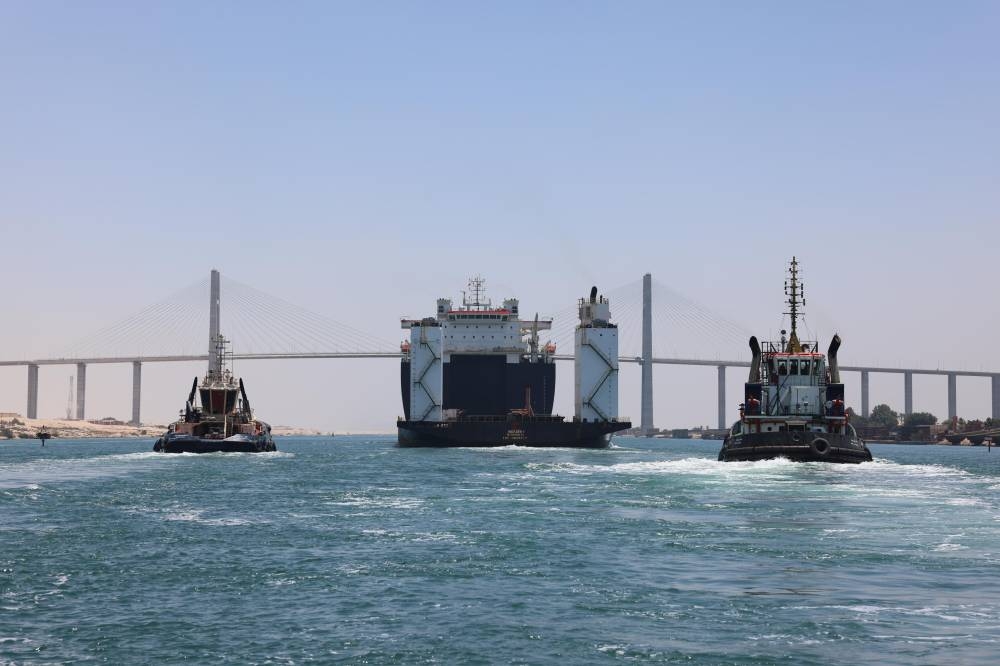
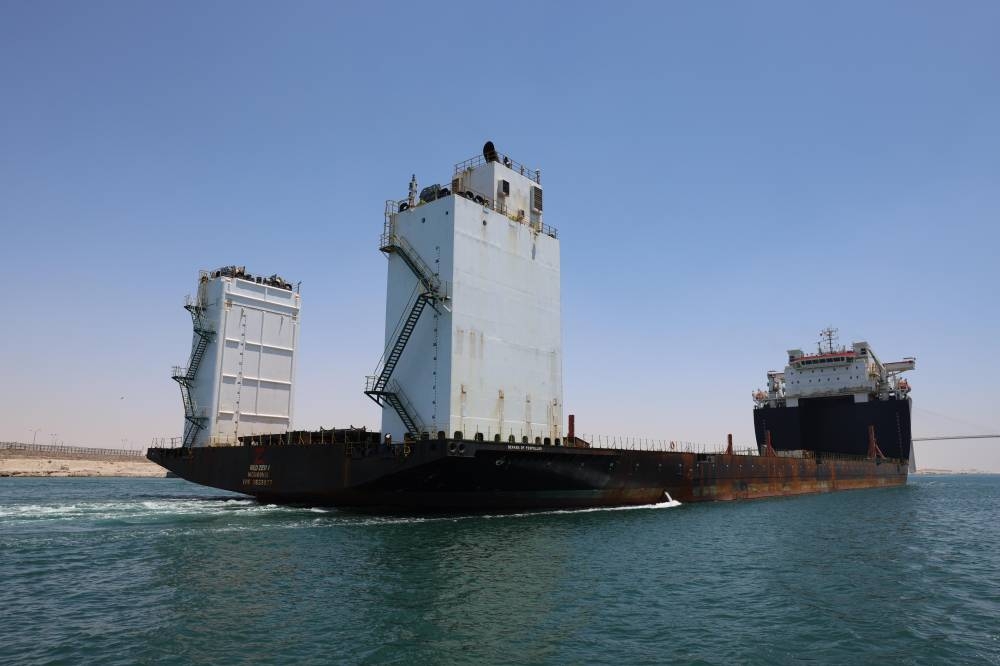
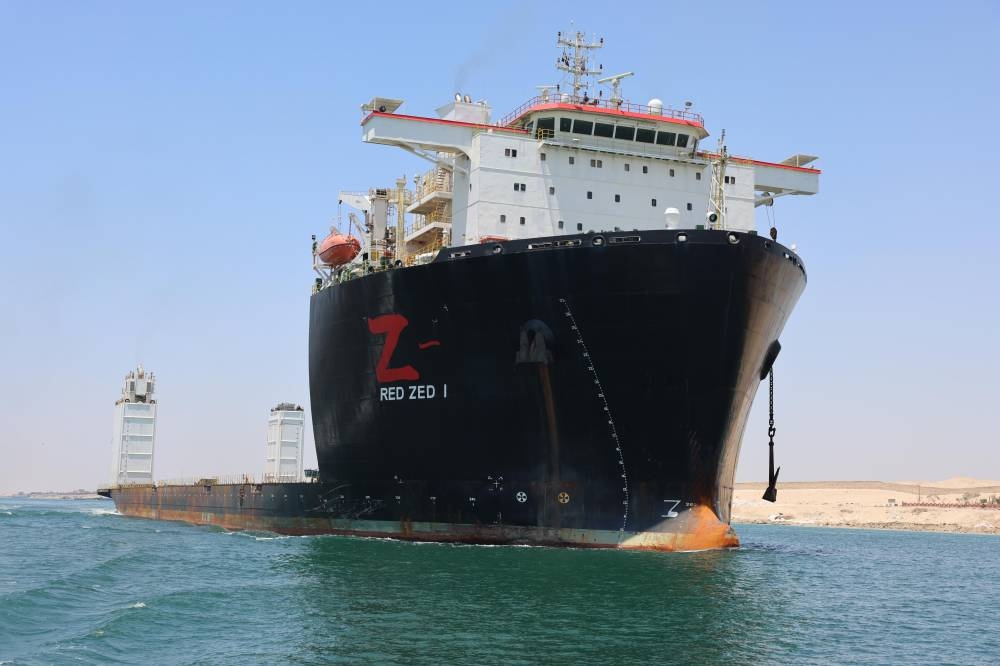
نجحت هيئة قناة السويس في التعامل مع حادث جنوح سفينة الغطس RED ZED 1، التي فقدت توجيهها بشكل مفاجئ أثناء عبورها القناة ضمن قافلة الشمال يوم (الجمعة) في الحادث الذي وقع عند الكيلومتر 45 بالقرب من معدية القنطرة غرب، وتمت إدارته بسرعة قياسية خلال 60 دقيقة، دون خسائر بشرية أو إصابات.
وأعلن الفريق أسامة ربيع، رئيس هيئة قناة السويس، في بيان صادر من الإسماعيلية، أن لجنة تحقيقات الحوادث أكدت سلامة السفينة RED ZED 1 بشكل عام، مع وجود تلفيات طفيفة تُحصر حالياً في موقع الاصطدام.
وأوضح رئيس هيئة قناة السويس أن السفينة، التي يبلغ طولها 217 متراً وحمولتها 41 ألف طن، تعرضت لعطل مفاجئ في منظومة التوجيه أدى إلى انحرافها عن مسارها بالقرب من رصيف معدية القنطرة غرب، وأنه بفضل التحرك السريع لمرشدي القناة ومشرفي محطة الإرشاد، تم تفادي تصادم مباشر مع الرصيف، حيث أدى التصادم الموازي إلى تقليل الأضرار.
وأشار إلى أنه بمجرد رصد الانحراف من قبل مشرفي محطة القنطرة، تم إخلاء الركاب والوحدات البحرية من المعدية في وقت قياسي، مما منع وقوع إصابات. تحركت ثلاث قاطرات تابعة للهيئة، وهي «مصر الجديدة»، «مساعد 4»، و«سويس 1»، لاستعادة استقرار السفينة وتأمينها بعد إصلاح طاقمها للعطل. تم نقل السفينة إلى منطقة البلاح، ثم إلى البحيرات الكبرى، دون تأثير على حركة الملاحة في القناة.
وأشاد الفريق ربيع بمنظومة إدارة الأزمات في قناة السويس، التي تحول مركز مراقبة الملاحة إلى غرفة عمليات مركزية لتوجيه القاطرات والوحدات البحرية، كما أثنى على كفاءة المرشدين الذين أمنوا عبور قافلة الجنوب دون تأخير، مما يعكس خبرة الهيئة المتراكمة في التعامل مع الطوارئ. وأكد أن المعدية التي تأثرت بالحادث تم استبدالها فوراً بأخرى احتياطية، مما ضمن استمرار حركة المواطنين بين ضفتي القناة دون انقطاع.
ووفقاً لتقرير فريق الإنقاذ البحري، تبين وجود فتحة صغيرة في مقدمة السفينة فوق مستوى سطح الماء، تم إصلاحها مؤقتاً لتتمكن السفينة من استكمال رحلتها من هولندا إلى السودان بعد استكمال الإجراءات الإدارية.
وأثار الحادث اهتماماً دولياً بفضل سرعة استجابة الهيئة، حيث تداول مستخدمون على منصة إكس مقاطع فيديو تُظهر تحرك القاطرات بسرعة لتأمين السفينة، وأكدت الهيئة أنها ستجري تحقيقاً معمقاً لتحديد أسباب العطل الفني بالتعاون مع مالكي السفينة.
وتستخدم سفن الغطس، مثل RED ZED 1، لنقل المعدات البحرية أو لدعم عمليات الغوص التجاري، وتتميز بحجمها الكبير وتصميمها الخاص، هذه السفن تتطلب دقة عالية في التوجيه أثناء عبور القناة الضيقة، مما يجعل أي عطل فني خطراً محتملاً. الحادث يُبرز أهمية الصيانة الدورية للسفن قبل دخولها الممرات الملاحية الحساسة.
ومنذ أزمة إيفر جيفن، استثمرت الهيئة في تحديث أسطول القاطرات وتدريب المرشدين، بالإضافة إلى تطوير مراكز مراقبة الملاحة بتقنيات متطورة. تضم المنظومة حالياً أكثر من 30 قاطرة، قادرة على التعامل مع السفن العملاقة، ومراكز إرشاد موزعة على طول القناة، وهذه الاستعدادات جعلت القناة قادرة على إدارة الأزمات في أوقات قياسية، كما أظهرت الحادثة الأخيرة.
The Suez Canal Authority successfully dealt with the grounding incident of the diving vessel RED ZED 1, which lost its steering unexpectedly while crossing the canal as part of the northern convoy on (Friday) in the incident that occurred at kilometer 45 near the Qantara West ferry. It was managed in a record time of 60 minutes, without any human losses or injuries.
Admiral Osama Rabie, head of the Suez Canal Authority, announced in a statement issued from Ismailia that the accident investigation committee confirmed the overall safety of the vessel RED ZED 1, with minor damages currently being assessed at the collision site.
The head of the Suez Canal Authority explained that the ship, which is 217 meters long and has a capacity of 41,000 tons, experienced a sudden malfunction in its steering system that caused it to deviate from its course near the Qantara West ferry dock. Thanks to the quick actions of the canal pilots and the supervision of the pilot station, a direct collision with the dock was avoided, as the parallel collision minimized the damages.
He pointed out that as soon as the deviation was detected by the Qantara station supervisors, the passengers and marine units were evacuated from the ferry in record time, preventing injuries. Three tugs belonging to the authority, namely "New Egypt," "Assistant 4," and "Suez 1," were dispatched to restore the stability of the vessel and secure it after its crew repaired the malfunction. The vessel was moved to the Ballah area, then to the Great Lakes, without affecting navigation in the canal.
Admiral Rabie praised the crisis management system in the Suez Canal, which transformed the navigation control center into a central operations room to direct the tugs and marine units. He also commended the efficiency of the pilots who ensured the passage of the southern convoy without delay, reflecting the authority's accumulated experience in handling emergencies. He confirmed that the ferry affected by the incident was immediately replaced with a backup, ensuring the continuous movement of citizens between the banks of the canal without interruption.
According to the report from the marine rescue team, a small opening was found at the front of the vessel above the waterline, which was temporarily repaired to allow the ship to continue its journey from the Netherlands to Sudan after completing administrative procedures.
The incident attracted international attention due to the authority's swift response, as users on the X platform circulated videos showing the tugs moving quickly to secure the vessel. The authority confirmed that it would conduct a thorough investigation to determine the causes of the technical malfunction in cooperation with the ship's owners.
Diving vessels, such as RED ZED 1, are used to transport marine equipment or to support commercial diving operations. They are characterized by their large size and special design, requiring high precision in steering while crossing narrow channels, making any technical malfunction a potential danger. The incident highlights the importance of regular maintenance of ships before entering sensitive navigation passages.
Since the Ever Given crisis, the authority has invested in updating its tug fleet and training pilots, in addition to developing navigation control centers with advanced technologies. The system currently includes more than 30 tugs capable of handling giant ships, and pilot stations distributed along the canal. These preparations have enabled the canal to manage crises in record times, as demonstrated by the recent incident.