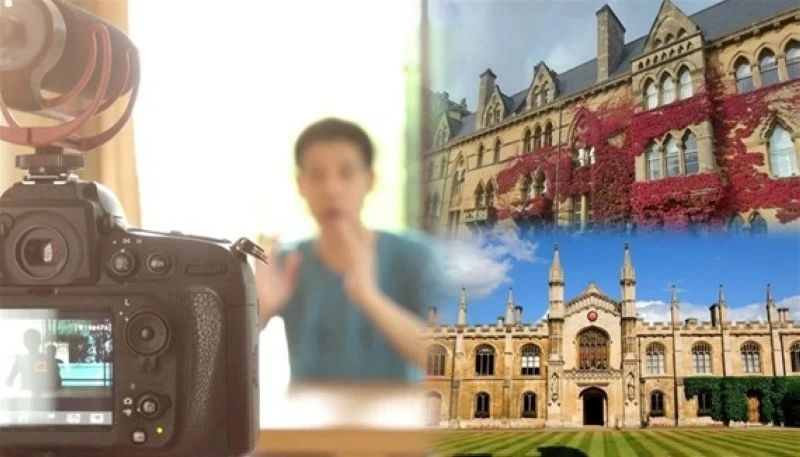
لم يعد التفوق في جامعتي جامعة أكسفورد وجامعة كامبريدج يُقاس فقط بعدد الأبحاث أو الساعات في المكتبة. فهناك جيل جديد من الطلاب قرر أن يستثمر هيبة القباب العتيقة والرداءات الأكاديمية في شيء آخر يتمثل في بناء علامة تجارية شخصية تدر ذهبًا.
يطلق عليهم اسم «الأوكسفلوينسرز» (Oxfluencers)، وهم طلاب نخبة يجمعون بين الذكاء والكاريزما والكاميرا، ويحوّلون «حلم الدراسة في أرقى جامعات بريطانيا» إلى محتوى رقمي يجذب مئات الآلاف من المتابعين حول العالم.
أرباح تفوق المحامين والمصرفيين
جاءت الأرقام صادمة: لأن ألف شاب تحت سن الثلاثين تجاوز دخلهم السنوي مليون جنيه إسترليني، بزيادة 11% خلال عام واحد، وفق تقرير لصحيفة Daily Mail.
ويتمحور السبب حول الابتعاد عن المسارات التقليدية والاتجاه إلى صناعة المحتوى الرقمي.
خذوا مثال روبي غرانغر، التي بنت ثروة تتجاوز 300 ألف جنيه إسترليني خلال عام واحد فقط من فيديوهات «المذاكرة الهادئة» وأكواب الشاي في مكتبات أكسفورد.
لكن الدخل لا يأتي فقط من مشاهدات يوتيوب، بل من:
- صفقات رعاية تجارية
- دورات مدفوعة لاجتياز مقابلات القبول
- دروس خصوصية بأسعار مرتفعة
- بيع منتجات مرتبطة بـ«أسلوب حياة الطالب المثالي»
وفي وقت يُتوقع فيه تراجع وظائف الخريجين بنسبة 9% في 2026، يبدو أن «المؤثرين الأكاديميين» وجدوا طريقًا أسرع إلى البنك.
بين المعمل والكاميرا.. صراع الهوية
ليست الصورة وردية بالكامل. فطالبة الدكتوراه إليونورا سفانبرغ، التي يتابعها نصف مليون شخص، تعترف بقلقها من أن يُنظر إليها كباحثة أقل جدية بسبب نشاطها الرقمي.
وتقول إن البيئة الأكاديمية ليست دائمًا مرحبة بمن يخرج بالعلم إلى العلن عبر منصات التواصل. بل تضطر أحيانًا لإخفاء هويتها الرقمية داخل أروقة الدراسات العليا.
لكن المفارقة أن الانتماء إلى أكسفورد يمنحها «ختم مصداقية» عالميًا. «صور العشاء الرسمي والعمارة التاريخية (بطابع يشبه أجواء Harry Potter and the Philosopher's Stone) تتحول إلى مغناطيس رقمي يجذب المتابعين، قبل أن تمرر رسائل أكثر جدية عن الفيزياء أو المساواة في التعليم».
هل أصبحت الشهادة «أصلًا رقميًا»؟
المشهد يكشف تناقضًا لافتًا: فبينما يتقدم آلاف الطلاب إلى هذه الجامعات بدافع الشغف العلمي، يدرك كثيرون أن القيمة الحقيقية قد تكمن في «البرستيج» القابل للتسويق.
ولم تعد الشهادة مجرد وثيقة أكاديمية، بل أصبحت:
- رأس مال اجتماعي
- أداة لبناء علامة شخصية
- منصة لإطلاق مشاريع تجارية قبل التخرج
وفي عصر الاقتصاد الرقمي، يبدو أن مهارات التسويق والظهور أمام الكاميرا بدأت تنافس التفوق العلمي في تحديد سقف النجاح.
ويمكن الخلوص إلى أن «الأوكسفلوينسرز» ليسوا مجرد طلاب. إنهم انعكاس لتحول أعمق في معنى التعليم نفسه.
فهل نحن أمام عصر تُقاس فيه قيمة الجامعة بعدد الأبحاث؟ أم بعدد المتابعين؟
Excellence at my universities, the University of Oxford and the University of Cambridge, is no longer measured solely by the number of research papers or hours spent in the library. A new generation of students has decided to invest the prestige of ancient domes and academic gowns into something else: building a personal brand that generates gold.
They are called "Oxfluencers," elite students who combine intelligence, charisma, and the camera, turning the "dream of studying at the UK's top universities" into digital content that attracts hundreds of thousands of followers around the world.
Profits Exceeding Those of Lawyers and Bankers
The numbers are shocking: because a thousand young people under the age of thirty have surpassed an annual income of one million pounds, an increase of 11% in just one year, according to a report by the Daily Mail.
The reason revolves around moving away from traditional paths and heading towards the digital content industry.
Take the example of Ruby Granger, who built a fortune exceeding 300,000 pounds in just one year from her "quiet study" videos and cups of tea in Oxford libraries.
But the income does not come solely from YouTube views; it also comes from:
- Commercial sponsorship deals
- Paid courses for passing admission interviews
- High-priced tutoring
- Selling products related to the "ideal student lifestyle"
At a time when graduate jobs are expected to decline by 9% in 2026, it seems that "academic influencers" have found a quicker path to the bank.
Between the Lab and the Camera.. An Identity Struggle
The picture is not entirely rosy. PhD student Eleonora Svanberg, who has half a million followers, admits her concern that she may be seen as a less serious researcher due to her digital activity.
She says that the academic environment is not always welcoming to those who bring science to the public through social media platforms. Sometimes, she is forced to hide her digital identity within the halls of graduate studies.
But the irony is that belonging to Oxford gives her a "stamp of global credibility." "Pictures of formal dinners and historic architecture (with a vibe reminiscent of Harry Potter and the Philosopher's Stone) turn into a digital magnet that attracts followers, before she conveys more serious messages about physics or equality in education."
Has the Degree Become a "Digital Asset"?
The scene reveals a striking contradiction: while thousands of students apply to these universities driven by scientific passion, many realize that the true value may lie in the marketable prestige.
The degree is no longer just an academic document; it has become:
- Social capital
- A tool for building a personal brand
- A platform for launching business projects before graduation
In the age of the digital economy, it seems that marketing skills and appearing on camera have begun to compete with academic excellence in determining the ceiling of success.
It can be concluded that "Oxfluencers" are not just students. They are a reflection of a deeper transformation in the meaning of education itself.
Are we facing an era where the value of a university is measured by the number of research papers? Or by the number of followers?