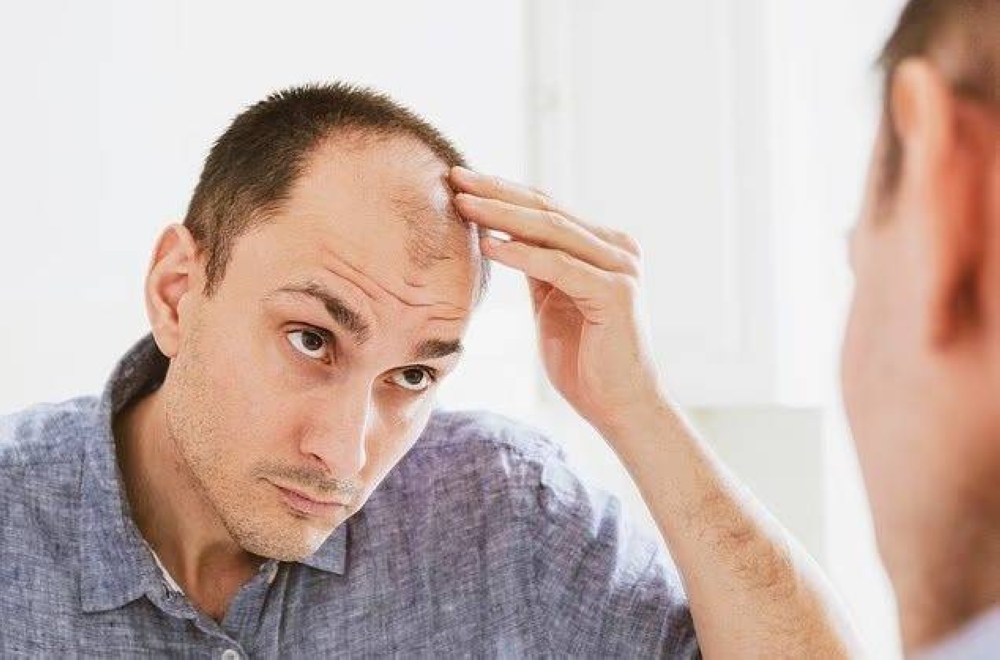
اكتشاف علامات الصلع الأولى قد يكون لحظة مقلقة للكثير من الرجال، لكن بفضل تقدم علمي جديد قد يصبح علاج تساقط الشعر متاحا قريبا، حيث تمكن باحثون في مستشفى كلينيكو سان كارلوس في مدريد، إسبانيا، من إعادة نمو الشعر لدى فئران ذكور وإناث باستخدام الخلايا الجذعية، في خطوة واعدة نحو علاج الصلع.
وفي تجارب مخبرية، استعادت بعض الفئران كثافة شعرها بالكامل خلال 3 أسابيع فقط، ويتوقع العلماء أن يصبح هذا العلاج متاحا للبشر بحلول عام 2029.
يُشار إلى أن أكثر من 15.4 مليون شخص في المملكة المتحدة وحدها يعانون من تساقط الشعر، وهو ما يمثل نحو ربع السكان.
ورغم توفر علاجات حالية مثل زراعة الشعر والعلاجات الموضعية إلا أنها غالبا ما تكون مكلفة أو غير فعالة.
ويقول الدكتور إدواردو لوبيز بران، رئيس قسم الأمراض الجلدية في المستشفى الباحث الرئيسي في الدراسة المنشورة في مجلة Stem Cell Research & Therapy: «في المستقبل، سنتمكن من تقديم حلول جديدة تلبي توقعات المرضى».
وتُظهر الدراسة أن الصلع يحدث عندما تتقلص بصيلات الشعر بمرور الوقت بسبب عوامل وراثية وهرمونات ذكورية، ما يؤدي إلى شعر أقصر وأنحف، وفي النهاية توقف نمو الشعر الجديد.
واستخدم الباحثون الخلايا الجذعية، التي تتميز بقدرتها على التطور إلى أنواع خلايا مختلفة، لتجديد بصيلات الشعر التالفة وتحفيز نمو شعر جديد.
ووفقاً للتجربة، أُعطيت الفئران هرمون الديهدروتستوستيرون (DHT)، الذي يمنع امتصاص العناصر الغذائية في بصيلات الشعر، ما يؤدي إلى تساقطها.
وبعد فقدان الفئران فراءها، حُقن نصفها بخلايا جذعية ممزوجة بمركب الطاقة أدينوسين ثلاثي الفوسفات (ATP).
هذا المزيج عزز تجديد الشعر من خلال تحسين قدرة الخلايا الجذعية على استعادة بصيلات الشعر.
وبعد 21 يوما أظهرت الفئران الذكور التي تلقت جرعات منخفضة نمواً كاملاً أو مكثفاً للشعر، بينما شهدت 90% من الفئران الإناث التي تلقت جرعات متوسطة نمواً كبيراً، كما لوحظت زيادة في كثافة بصيلات الشعر وقطرها، ما يعني شعراً أقوى وأكثر كثافة.
ومع ذلك، يتطلب العلاج مزيداً من التجارب السريرية لتأكيد سلامته للاستخدام البشري، ويخطط الباحثون لاختبار العلاج على مرضى يعانون من تساقط الشعر، حيث سيُعطى العلاج عبر حقن في فروة الرأس بواسطة متخصصين صحيين.
وعلى الرغم من أن تساقط الشعر لا يهدد الحياة، إلا أنه يؤثر على الثقة بالنفس وجودة الحياة، وتوفر الدراسة أملاً جديداً لعلاج فعال باستخدام الخلايا الجذعية، وفي الوقت نفسه، تشير دراسة حديثة إلى أن الرجال الصلع يُنظر إليهم كأكثر جاذبية من نظرائهم ذوي الشعر، ما قد يشجع البعض على تقبل مظهرهم الطبيعي.
Discovering the first signs of baldness can be a worrying moment for many men, but thanks to new scientific advancements, hair loss treatment may soon be available. Researchers at Clinico San Carlos Hospital in Madrid, Spain, have managed to regrow hair in male and female mice using stem cells, in a promising step towards treating baldness.
In laboratory experiments, some mice fully regained their hair density in just 3 weeks, and scientists expect this treatment to be available for humans by 2029.
It is noted that more than 15.4 million people in the United Kingdom alone suffer from hair loss, which represents about a quarter of the population.
Although current treatments such as hair transplants and topical treatments are available, they are often expensive or ineffective.
Dr. Eduardo Lopez Bran, head of the dermatology department at the hospital and the lead researcher in the study published in the journal Stem Cell Research & Therapy, says: "In the future, we will be able to offer new solutions that meet patients' expectations."
The study shows that baldness occurs when hair follicles shrink over time due to genetic factors and male hormones, leading to shorter and thinner hair, and eventually stopping new hair growth.
The researchers used stem cells, which are characterized by their ability to develop into different types of cells, to renew damaged hair follicles and stimulate new hair growth.
According to the experiment, the mice were given the hormone dihydrotestosterone (DHT), which prevents nutrient absorption in hair follicles, leading to their loss.
After the mice lost their fur, half of them were injected with stem cells mixed with the energy compound adenosine triphosphate (ATP).
This mixture enhanced hair renewal by improving the stem cells' ability to restore hair follicles.
After 21 days, the male mice that received low doses showed complete or intense hair growth, while 90% of the female mice that received medium doses experienced significant growth, and an increase in hair follicle density and diameter was observed, indicating stronger and denser hair.
However, the treatment requires further clinical trials to confirm its safety for human use, and researchers plan to test the treatment on patients suffering from hair loss, where the treatment will be administered via injections into the scalp by healthcare specialists.
Although hair loss is not life-threatening, it affects self-esteem and quality of life, and the study provides new hope for an effective treatment using stem cells. At the same time, a recent study suggests that bald men are perceived as more attractive than their counterparts with hair, which may encourage some to accept their natural appearance.