في قلب الغابات الكثيفة بجزيرة غوادلوب، يعود تهديد بيئي خطير مع ظهور نبتة «الميكونيا كالفسينس» مجدداً، المعروفة بلقبَي «الطاعون الأرجواني»، و«السرطان الأخضر»، بعد أربع سنوات من رصدها لأول مرة خلال جائحة كوفيد-19.
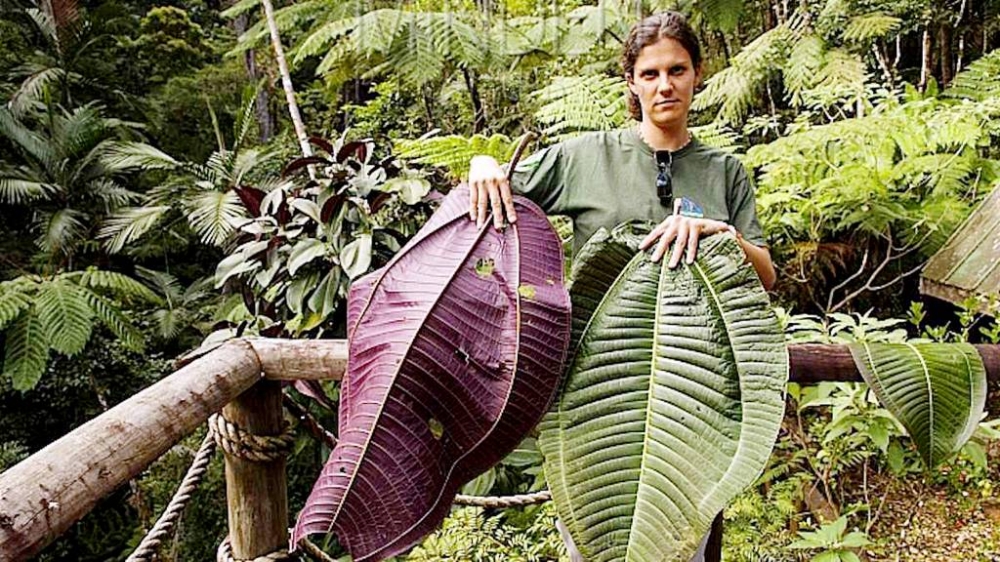
وبحسب وكالة فرانس برس، تكثف السلطات جهودها لمواجهة هذا الغزو النباتي، إذ تخوض فرق الهيئة الوطنية للغابات عمليات ميدانية شاقة لاقتلاع النبتة من جذورها. ويصف رونو إيرار، أحد العاملين في الميدان، خصائصها قائلاً: إن أوراقها البنفسجية ذات الخطوط البيضاء من الداخل تسهّل التعرف عليها.
من جهته، يحذر ماتيو فيلمان خبير التنوع البيولوجي، من خطورة هذه النبتة الغازية التي تنتج ملايين البذور بمعدل إنبات يفوق 90%، ما يجعلها قادرة على طمس النباتات المحلية وخنق النظام البيئي بأكمله.
تُنفذ عمليات القضاء عليها يدوياً وبشكل دقيق، وتشمل الاقتلاع، العزل، الحرق، وحتى تنظيف الأحذية بمياه البحر، لضمان عدم نقل بذورها. وتشير التقديرات إلى أن كلفة الحملات لمكافحتها بلغت أكثر من 550 ألف يورو خلال خمس سنوات فقط، وسط مخاوف متزايدة من تفشيها مجدداً.
«السرطان الأخضر» يهدد البيئة
18 يونيو 2025 - 04:14
|
آخر تحديث 18 يونيو 2025 - 04:14


تابع قناة عكاظ على الواتساب
«عكاظ» (جدة) OKAZ_online@
In the heart of the dense forests of Guadeloupe, a serious environmental threat re-emerges with the appearance of the "Miconia calvescens" plant, known by the nicknames "the purple plague" and "the green cancer," after being first spotted four years ago during the COVID-19 pandemic.
According to Agence France-Presse, authorities are intensifying their efforts to combat this plant invasion, as teams from the National Forestry Office are engaged in strenuous field operations to uproot the plant from its roots. Renaud Hirard, one of the field workers, describes its characteristics, saying that its purple leaves with white stripes on the inside make it easy to identify.
For his part, Matthieu Villemant, a biodiversity expert, warns of the dangers posed by this invasive plant, which produces millions of seeds with a germination rate exceeding 90%, making it capable of overshadowing local plants and choking the entire ecosystem.
Eradication operations are carried out manually and meticulously, including uprooting, isolation, burning, and even cleaning shoes with seawater to ensure that its seeds are not transported. Estimates indicate that the cost of campaigns to combat it has exceeded 550,000 euros over just five years, amid growing fears of its resurgence.
According to Agence France-Presse, authorities are intensifying their efforts to combat this plant invasion, as teams from the National Forestry Office are engaged in strenuous field operations to uproot the plant from its roots. Renaud Hirard, one of the field workers, describes its characteristics, saying that its purple leaves with white stripes on the inside make it easy to identify.
For his part, Matthieu Villemant, a biodiversity expert, warns of the dangers posed by this invasive plant, which produces millions of seeds with a germination rate exceeding 90%, making it capable of overshadowing local plants and choking the entire ecosystem.
Eradication operations are carried out manually and meticulously, including uprooting, isolation, burning, and even cleaning shoes with seawater to ensure that its seeds are not transported. Estimates indicate that the cost of campaigns to combat it has exceeded 550,000 euros over just five years, amid growing fears of its resurgence.