


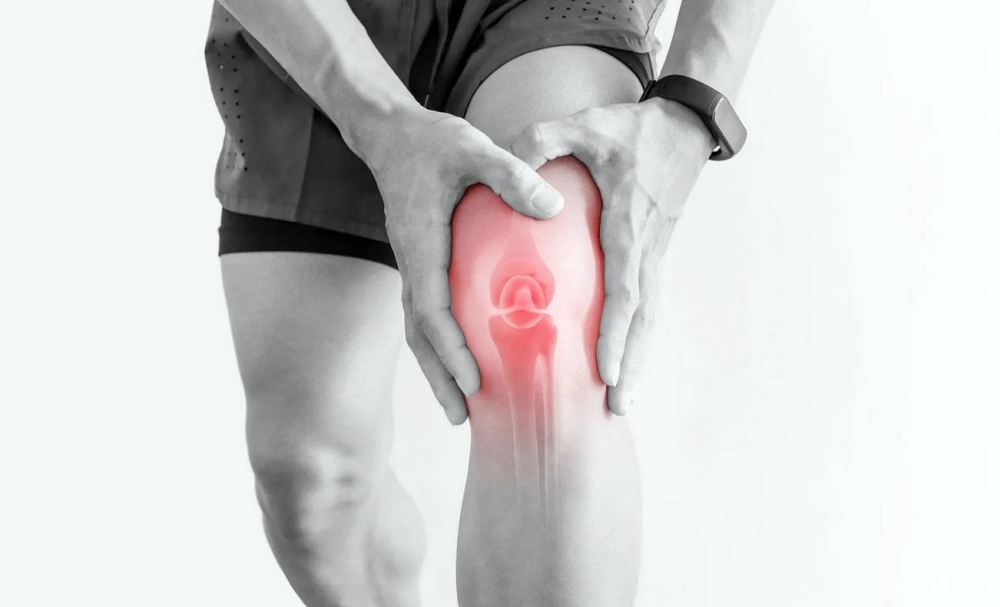
أظهرت دراسة جديدة أن تحفيز العصب المبهم عبر الأذن يمكن أن يخفف من آلام الركبة لدى مرضى التهاب المفاصل. أجرى الباحثون تجربة شملت 30 مشاركاً، حيث تلقى كل منهم جلسة واحدة مدتها 60 دقيقة من التحفيز الكهربائي غير الجراحي للعصب المبهم عبر الأذن. أظهرت النتائج تحسناً ملحوظاً في مستويات الألم وتحسناً في تقلب معدل ضربات القلب، مما يشير إلى تأثير إيجابي على الجهاز العصبي اللاإرادي. يُعتقد أن هذا النوع من التحفيز يساعد في تقليل الإشارات العصبية المرتبطة بالألم، مما يوفر راحة للمرضى دون الحاجة إلى أدوية مسكنة.
يُعتبر هذا النهج واعداً كعلاج غير جراحي وآمن لآلام الركبة، خاصةً لأولئك الذين يبحثون عن بدائل للعلاجات التقليدية. مع ذلك، يؤكد الباحثون الحاجة إلى دراسات أوسع لتأكيد فعالية هذا العلاج وتحديد أفضل الممارسات لاستخدامه في المستقبل.
تحفيز العصب المبهم عبر الأذن يخفف من آلام الركبة
5 يونيو 2025 - 08:12
|
آخر تحديث 5 يونيو 2025 - 08:12


تابع قناة عكاظ على الواتساب
«عكاظ»(جدة) Okaz_online@
A new study has shown that vagus nerve stimulation via the ear can alleviate knee pain in patients with arthritis. Researchers conducted an experiment involving 30 participants, each receiving a single 60-minute session of non-invasive electrical stimulation of the vagus nerve through the ear. The results showed a significant improvement in pain levels and an enhancement in heart rate variability, indicating a positive effect on the autonomic nervous system. This type of stimulation is believed to help reduce nerve signals associated with pain, providing relief for patients without the need for analgesic medications.
This approach is considered promising as a non-invasive and safe treatment for knee pain, especially for those seeking alternatives to traditional therapies. However, researchers emphasize the need for larger studies to confirm the effectiveness of this treatment and to determine the best practices for its future use.
This approach is considered promising as a non-invasive and safe treatment for knee pain, especially for those seeking alternatives to traditional therapies. However, researchers emphasize the need for larger studies to confirm the effectiveness of this treatment and to determine the best practices for its future use.


