


ماذا تأكل بعد المضادات الحيوية ؟
3 يونيو 2025 - 03:54
|
آخر تحديث 3 يونيو 2025 - 03:54


تابع قناة عكاظ على الواتساب
«عكاظ» (جدة) OKAZ_online@
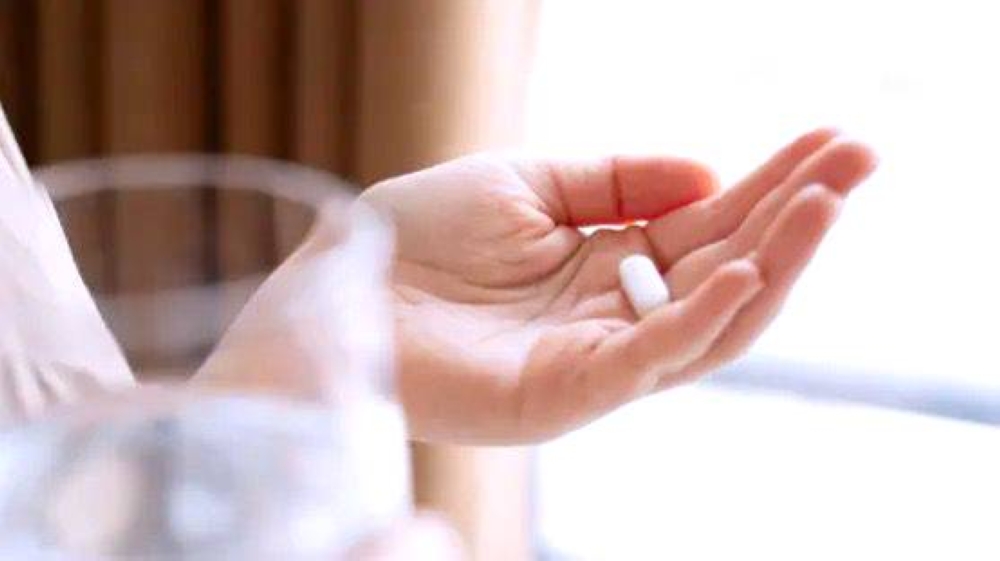
يحذر أطباء وخبراء تغذية من إهمال النظام الغذائي بعد الانتهاء من تناول المضادات الحيوية، مؤكدين أن هذه المرحلة لا تقل أهمية عن فترة العلاج نفسها، بل تُعد امتدادًا ضروريًا له لضمان فعالية التعافي واستعادة التوازن الداخلي للجسم. فالمضادات الحيوية، رغم قدرتها العالية على القضاء على البكتيريا المسببة للعدوى، تؤثر في المقابل على البكتيريا النافعة التي تعيش في الجهاز الهضمي، وتشكّل خط الدفاع الأول للمناعة، والهضم السليم، وامتصاص المغذيات. ويؤدي اختلال هذا التوازن الميكروبي إلى ظهور مشكلات هضمية مثل الانتفاخ، الإسهال، أو حتى التهابات فطرية مزعجة. وينصح الأطباء، بضرورة إدخال أطعمة غنية بالبروبيوتيك إلى النظام الغذائي، مثل الزبادي الطبيعي، الكفير، المخللات المخمرة، وبعض أنواع الجبن الطري، لدعم نمو البكتيريا النافعة. كما ينبغي تعزيز الألياف الطبيعية من مصادرها النباتية، كالبقول، الشوفان، الحبوب الكاملة، والخضراوات الورقية، كونها تُمثّل الغذاء المثالي للبروبيوتيك. ومن جانب آخر، يُنصح بالابتعاد عن الأغذية المسببة للالتهاب أو التي تُضعف الامتصاص، كالكحول، الجريب فروت، السكريات المكررة، والمنتجات التي تحتوي على الخميرة الزائدة. إن التعامل الواعي مع هذه الفترة، عبر التغذية المدروسة، يسرّع من التعافي، ويعيد للجسم توازنه البيولوجي، ويحميه من المضاعفات.
Doctors and nutrition experts warn against neglecting the diet after finishing a course of antibiotics, emphasizing that this phase is just as important as the treatment period itself; rather, it is a necessary extension of it to ensure effective recovery and restore the body's internal balance. Antibiotics, despite their high ability to eliminate the bacteria causing infections, also affect the beneficial bacteria that live in the digestive system, which form the first line of defense for immunity, proper digestion, and nutrient absorption. An imbalance in this microbiome can lead to digestive issues such as bloating, diarrhea, or even bothersome fungal infections. Doctors recommend incorporating probiotic-rich foods into the diet, such as natural yogurt, kefir, fermented pickles, and some types of soft cheese, to support the growth of beneficial bacteria. Additionally, it is important to enhance natural fiber from plant sources, such as legumes, oats, whole grains, and leafy vegetables, as they represent the ideal food for probiotics. On the other hand, it is advisable to avoid inflammatory foods or those that weaken absorption, such as alcohol, grapefruit, refined sugars, and products containing excess yeast. A conscious approach to this period, through studied nutrition, accelerates recovery, restores the body's biological balance, and protects it from complications.


