أثارت سلسلة قوية من الهزات الأرضية في منطقة كامبي فليغري، البركان العملاق قرب مدينة نابلس الإيطالية، مخاوف العلماء من احتمال وقوع ثوران بركاني كبير.
في مايو الماضي، سجل البركان زلزالاً بقوة 4.4 درجة، وهو الأقوى منذ 40 عاماً، تلته أكثر من 3000 هزة أرضية صغيرة خلال الأشهر الستة الماضية، وهو معدل غير طبيعي للنشاط الزلزالي في المنطقة.
حسب موقع mail online، يحذر الخبراء من أن هذه الهزات قد تضعف الصخور فوق غرفة الماغما البركانية، مما يسهل صعود الماغما إلى السطح، شبيهة بضغط البخار في قدر الضغط.
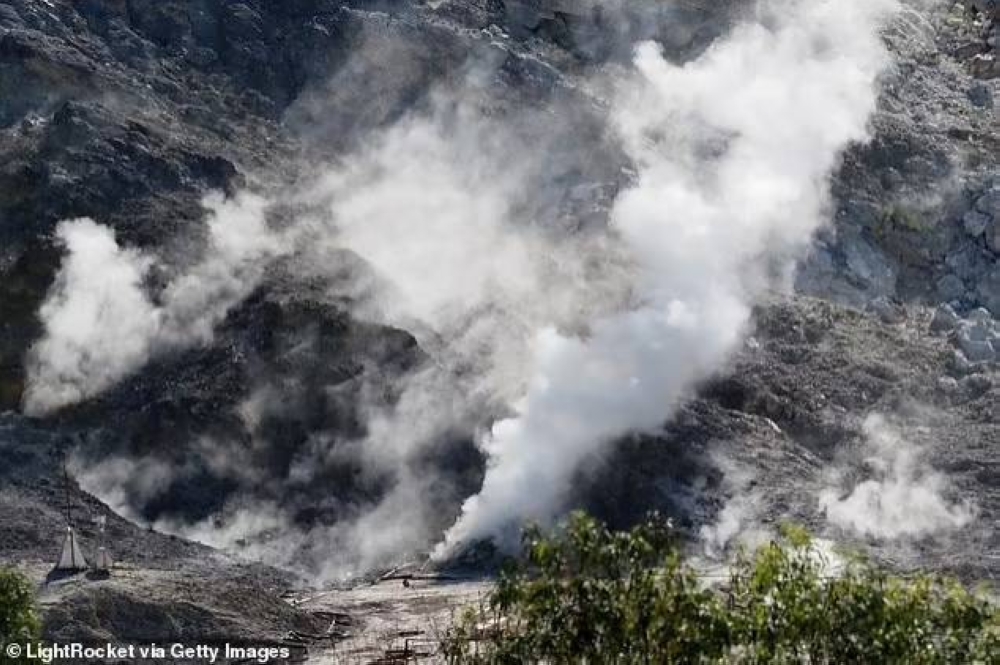
كما رصدت زيادة حادة في انبعاثات ثاني أكسيد الكربون، حيث سجل المعهد الوطني للجيوفيزياء والبراكين في إيطاليا (INGV) مستويات يومية تتراوح بين 4000 و5000 طن، وهي إشارة إلى اقتراب الماغما من السطح.
وفقاً للمعهد، تقترب الماغما حالياً من عمق بضعة أميال فقط تحت السطح، وهو عمق ضحل يزيد من المخاوف.
وقال كريستوفر كيلبيرن، الخبير البركاني البارز في INGV لـ mail online: من الضروري التفريق بين انبعاثات الغاز الناتجة عن حركة الماغما وتلك الناتجة عن تفاعلات الصخور الطبيعية، فإذا استمر الضغط في التصاعد، قد يؤدي ذلك إلى ثوران مفاجئ، خاصة مع تصاعد الهزات وانبعاثات الغازات.
ويشكل بركان كامبي فليغري تهديداً مباشراً لأكثر من أربعة ملايين شخص يعيشون في منطقة نابلس الحضرية، بما في ذلك مدن مثل بوتزوولي القريبة.
في حالة حدوث ثوران، قد تتسبب تدفقات الحمم البركانية، والرماد، والغازات الساخنة في تدمير المباني، وتعطيل الطرق، وانقطاع إمدادات الكهرباء والمياه، مما يهدد بفوضى واسعة النطاق.
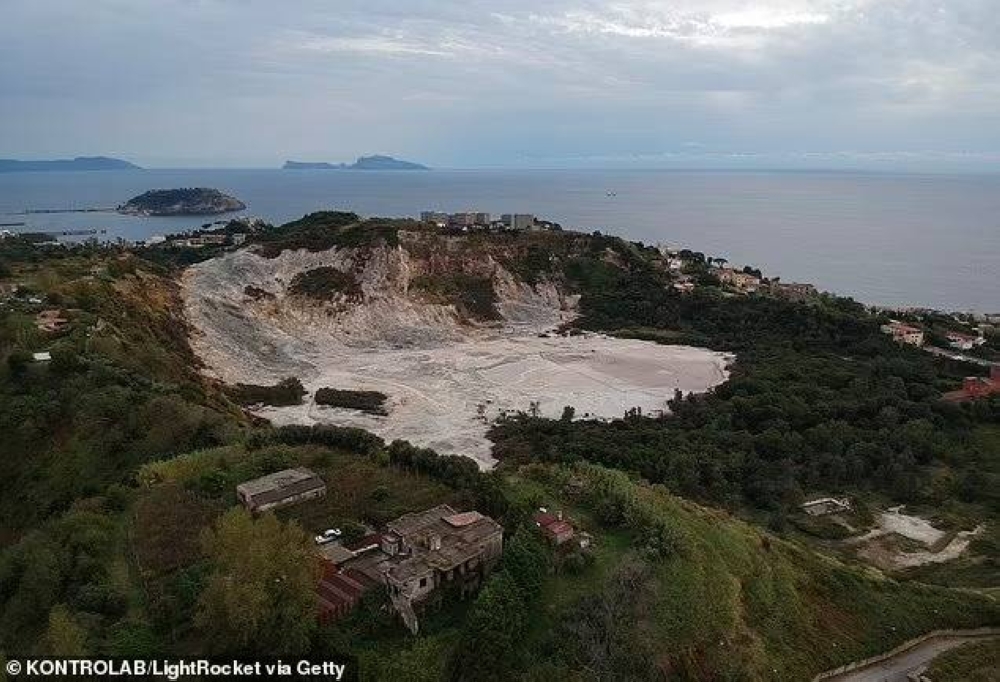
يُعرف كامبي فليغري بـ«الحقول المحترقة»، وهو فوهة بركانية ضخمة تشكلت قبل آلاف السنين بعد ثوران هائل أدى إلى انهيار الأرض فوق غرفة الماغما، آخر ثوران له كان في عام 1538، لكن البركان يظهر علامات عدم استقرار منذ عقود.
ومنذ عام 2005، لوحظت ظاهرة «البراديسيم»، وهي ارتفاع وهبوط بطيء لسطح الأرض نتيجة تراكم الماغما والغازات تحت الأرض.
في بوتزوولي، ارتفع السطح بحوالى 4.7 أقدام خلال المرحلة الحالية.
وتشير دراسة حديثة أجراها جيانماركو بونو، طالب دكتوراه في جامعة نابلس فيديريكو الثانية، إلى أن 80% من انبعاثات ثاني أكسيد الكربون من فوهة سولفاتارا تأتي مباشرة من الماغما، مما يعزز احتمال اقترابها من السطح.
ويستخدم العلماء نموذج فشل ميكانيكي، مستعار من الهندسة الإنشائية، لتحليل استجابة الصخور للضغط، حيث أظهرت النتائج تحول القشرة الأرضية من الانحناء إلى التشقق، وهي مرحلة غالباً ما تسبق الثوران.
وقبل حوالى 40 ألف عام، تسبب ثوران هائل في كامبي فليغري بكارثة بركانية غيرت المناخ العالمي، إذا حدث ثوران مماثل اليوم، فقد تغطي السحب الرمادية أوروبا، مما يؤدي إلى تعطيل الرحلات الجوية، وتدمير المحاصيل، وانقطاع الكهرباء.
كما قد تتسبب الغازات البركانية في حجب ضوء الشمس، مما يؤدي إلى انخفاض درجات الحرارة وتغيرات مناخية تهدد إمدادات الغذاء عالمياً.
ورفعت السلطات مستوى التحذير البركاني من الأخضر إلى الأصفر في 2012، ووضعت خطط إجلاء شاملة لسكان نابلس. ومع ذلك، يبقى التحدي في تنفيذ هذه الخطط بسرعة وفعالية في حال اقتراب الثوران.
ويؤكد العلماء أن التنبؤ بدقة بموعد الثوران مستحيل، لكن النشاط الأخير يشير إلى أن الخطر قد يكون وشيكاً.
A strong series of earthquakes in the Campi Flegrei area, the giant volcano near the Italian city of Naples, has raised scientists' fears of a potential major volcanic eruption.
Last May, the volcano recorded a 4.4 magnitude earthquake, the strongest in 40 years, followed by more than 3,000 small earthquakes over the past six months, an abnormal rate of seismic activity in the region.
According to the mail online website, experts warn that these tremors could weaken the rocks above the volcanic magma chamber, making it easier for the magma to rise to the surface, similar to the steam pressure in a pressure cooker.
A sharp increase in carbon dioxide emissions has also been observed, with the Italian National Institute of Geophysics and Volcanology (INGV) recording daily levels ranging from 4,000 to 5,000 tons, indicating that the magma is approaching the surface.
According to the institute, the magma is currently just a few miles deep beneath the surface, a shallow depth that heightens concerns.
Christopher Kilburn, a leading volcanic expert at INGV, told mail online: "It is essential to distinguish between gas emissions resulting from magma movement and those resulting from natural rock interactions. If the pressure continues to rise, it could lead to a sudden eruption, especially with the increase in tremors and gas emissions."
The Campi Flegrei volcano poses a direct threat to more than four million people living in the Naples metropolitan area, including nearby cities like Pozzuoli.
In the event of an eruption, lava flows, ash, and hot gases could destroy buildings, disrupt roads, and cut off electricity and water supplies, threatening widespread chaos.
Campi Flegrei is known as the "burning fields," a massive caldera formed thousands of years ago after a huge eruption caused the ground to collapse over the magma chamber. Its last eruption was in 1538, but the volcano has shown signs of instability for decades.
Since 2005, a phenomenon known as "bradyseism" has been observed, which is the slow rise and fall of the ground surface due to the accumulation of magma and gases underground.
In Pozzuoli, the surface has risen by about 4.7 feet during the current phase.
A recent study conducted by Gianmarco Bono, a PhD student at the University of Naples Federico II, indicates that 80% of carbon dioxide emissions from the Solfatara crater come directly from the magma, reinforcing the likelihood of its approach to the surface.
Scientists are using a mechanical failure model, borrowed from structural engineering, to analyze the response of rocks to pressure, where results have shown that the Earth's crust is transitioning from bending to cracking, a stage that often precedes an eruption.
About 40,000 years ago, a massive eruption at Campi Flegrei caused a volcanic disaster that changed the global climate. If a similar eruption were to occur today, gray clouds could cover Europe, leading to flight disruptions, crop destruction, and power outages.
Volcanic gases could also block sunlight, resulting in lower temperatures and climatic changes that threaten global food supplies.
Authorities raised the volcanic alert level from green to yellow in 2012 and established comprehensive evacuation plans for the residents of Naples. However, the challenge remains in implementing these plans quickly and effectively in the event of an impending eruption.
Scientists emphasize that accurately predicting the timing of an eruption is impossible, but recent activity suggests that the danger may be imminent.