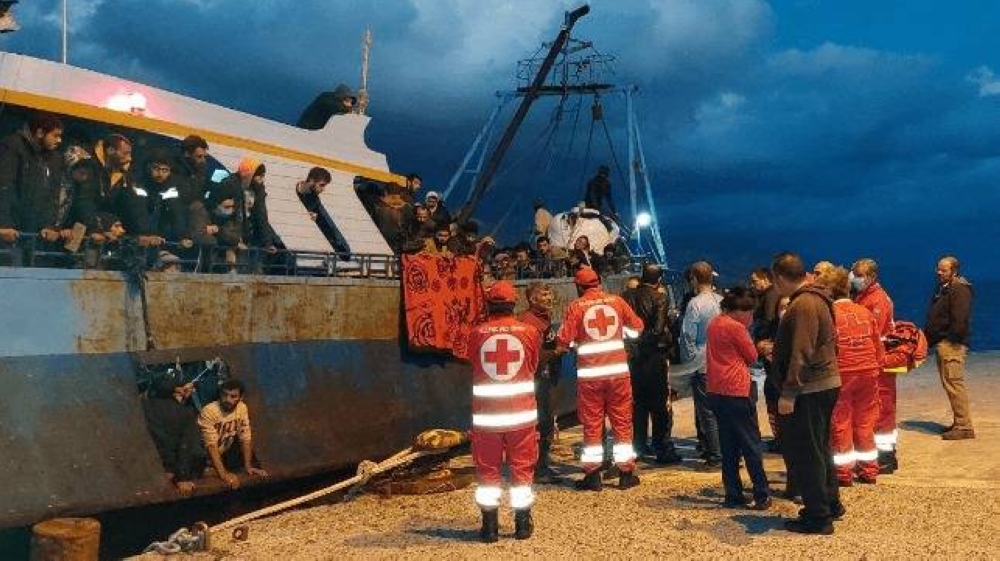
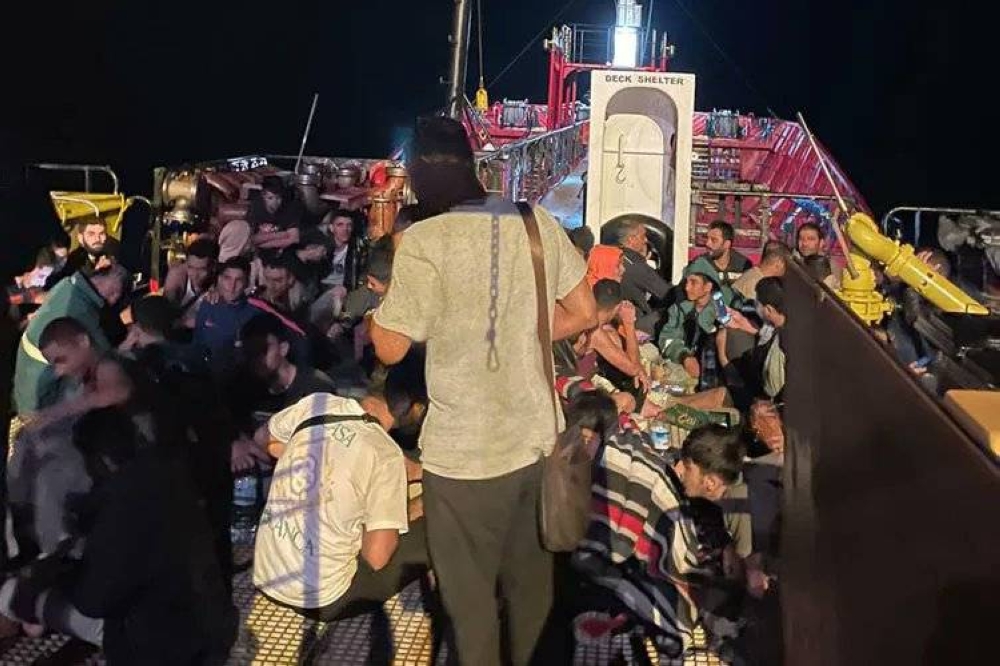
أعلن خفر السواحل اليوناني، (الأحد) إنقاذ أكثر من 500 مهاجر، معظمهم من الرجال، خلال الأيام الأخيرة قبالة جزيرة كريت وجزيرة غافدوس الصغيرة جنوبها في شرق البحر الأبيض المتوسط. وتم نقل جميع المهاجرين المُنقَذين سالمين إلى مراكز استقبال في جزيرة كريت، في إطار جهود متواصلة لمواجهة موجات الهجرة غير الشرعية التي تشهدها المنطقة.
ووفقاً لبيان صادر عن خفر السواحل، تم تنفيذ خمس عمليات إنقاذ منفصلة يوم السبت، وجرت أربع من هذه العمليات قبالة جزيرة غافدوس، وهي واحدة من أكثر النقاط الجنوبية في أوروبا، وشاركت في العمليات سفن خفر السواحل، وطائرات هليكوبتر، إضافة إلى سفن تجارية وسفينة إيطالية تابعة للبحرية، ما يعكس التعاون الدولي في مواجهة الأزمة.
تأتي هذه العمليات في ظل تزايد محاولات الهجرة عبر الطريق الخطير من السواحل الليبية إلى الجزر اليونانية، إذ يعتمد المهاجرون - ومعظمهم من دول الشرق الأوسط وأفريقيا وآسيا - على قوارب خشبية أو زوارق مطاطية غير آمنة لعبور البحر الأبيض المتوسط.
وأكد خفر السواحل أن المهاجرين المُنقَذين، الذين شملوا أفراداً من مصر وبنغلاديش وباكستان والسودان، كانوا في حالة صحية مستقرة نسبياً، مع تقديم الرعاية الأولية لهم فور نقلهم إلى مراكز الاستقبال.
تُعد اليونان منذ 2015 إحدى البوابات الرئيسية للهجرة غير الشرعية إلى الاتحاد الأوروبي، إذ وصلت أعدادهم ما يقرب من مليون مهاجر إلى جزرها الشرقية، خصوصاً ساموس، وكوس، قادمين من السواحل التركية القريبة.
وفي السنوات الأخيرة، برزت جزيرتا كريت وغافدوس كنقطتَي جذب جديدتين للمهاجرين القادمين من شمال أفريقيا، خصوصاً ليبيا، في رحلة محفوفة بالمخاطر تمتد لأكثر من 300 كيلومتر عبر البحر الأبيض المتوسط.
وفقاً لتقارير الأمم المتحدة، سجلت اليونان وصول أكثر من 60 ألف مهاجر في 2024، معظمهم من سورية، أفغانستان، مصر، إريتريا، وفلسطين، مع تزايد ملحوظ في عدد القوارب القادمة من ليبيا إلى كريت وغافدوس، وقد شهدت هذه المنطقة حوادث مأساوية متكررة، إذ لقي العشرات حتفهم غرقاً.
وتعمل اليونان، بدعم من وكالة الحدود الأوروبية (فرونتكس)، على تعزيز قدرات خفر السواحل لإنقاذ المهاجرين، إذ أنقذت أكثر من 250 ألف شخص منذ 2015. ومع ذلك، تواجه السلطات اليونانية اتهامات من منظمات حقوق الإنسان، بممارسات غير قانونية تشمل إعادة القوارب إلى المياه الإقليمية التركية أو التسبب في غرقها أثناء محاولات الصّدّ، وهي اتهامات تنفيها اليونان بشدة.
The Greek Coast Guard announced on (Sunday) the rescue of more than 500 migrants, most of whom are men, in recent days off the coast of Crete and the small island of Gavdos to its south in the eastern Mediterranean. All the rescued migrants were safely transferred to reception centers in Crete, as part of ongoing efforts to address the waves of illegal migration that the region is witnessing.
According to a statement from the Coast Guard, five separate rescue operations were carried out on Saturday, four of which took place off the coast of Gavdos, one of the southernmost points in Europe. The operations involved Coast Guard ships, helicopters, as well as commercial vessels and an Italian Navy ship, reflecting international cooperation in addressing the crisis.
These operations come amid an increase in attempts to migrate via the dangerous route from the Libyan coasts to the Greek islands, as migrants—most of whom are from the Middle East, Africa, and Asia—rely on unsafe wooden boats or rubber dinghies to cross the Mediterranean Sea.
The Coast Guard confirmed that the rescued migrants, which included individuals from Egypt, Bangladesh, Pakistan, and Sudan, were in relatively stable health, with first aid provided to them immediately upon their transfer to reception centers.
Since 2015, Greece has been one of the main gateways for illegal migration into the European Union, with nearly a million migrants arriving at its eastern islands, particularly Samos and Kos, coming from the nearby Turkish coasts.
In recent years, the islands of Crete and Gavdos have emerged as new points of attraction for migrants coming from North Africa, especially Libya, on a perilous journey spanning over 300 kilometers across the Mediterranean Sea.
According to United Nations reports, Greece recorded the arrival of more than 60,000 migrants in 2024, most of whom are from Syria, Afghanistan, Egypt, Eritrea, and Palestine, with a noticeable increase in the number of boats coming from Libya to Crete and Gavdos. This area has witnessed repeated tragic incidents, with dozens drowning.
Greece, supported by the European Border and Coast Guard Agency (Frontex), is working to enhance the capabilities of the Coast Guard to rescue migrants, having saved more than 250,000 people since 2015. However, Greek authorities face accusations from human rights organizations of illegal practices, including returning boats to Turkish territorial waters or causing them to sink during interception attempts, accusations that Greece strongly denies.