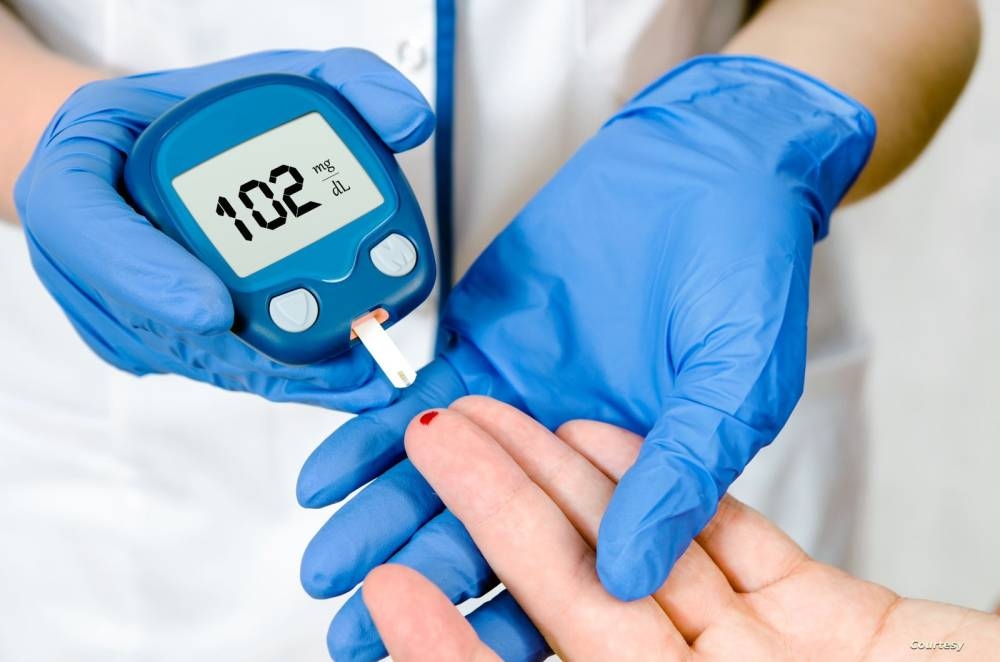
يعد مرض السكري من النوع الأول حالة طبية مزمنة تحدث عندما يُنتِج البنكرياس القليل جدًّا من الإنسولين أو لا ينتج الإنسولين نهائيًّا، ويبدأ عادةً في مرحلة الطفولة أو الشباب.
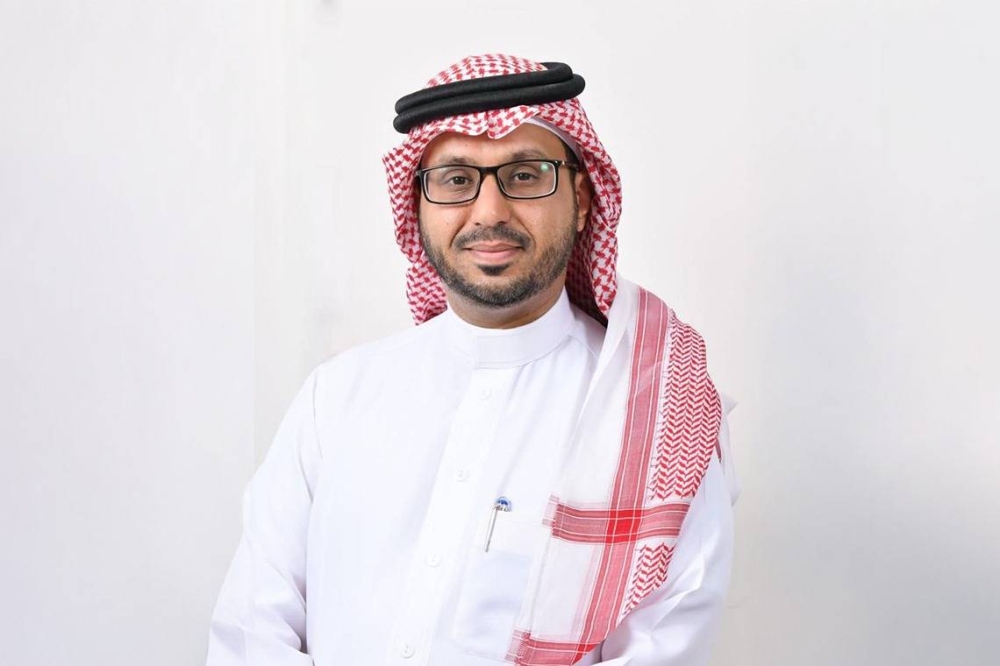
وحول أسباب وأعراض المرض ودور التثقيف الصحي والتقنية الحديثة في مساعدة مرضى السكري من النوع الأول، أوضح لـ«عكاظ» استشاري ورئيس قسم الغدد والسكري بالحرس الوطني الدكتور رائد الدهش أن المرض ينشأ نتيجة خلل في الجهاز المناعي الذي يُفترض به حماية الجسم من الجراثيم والفايروسات. إلا أنّ هذا النظام الدفاعي يخطئ أحيانًا، فيتعامل مع خلايا «بيتا» المسؤولة عن إنتاج الإنسولين في البنكرياس كعدو، ويبدأ في تدميرها تدريجيًا، ما يؤدي إلى توقف الجسم عن إنتاج الإنسولين وارتفاع مستوى السكر في الدم.
وأشار الدكتور الدهش إلى أنه عندما يصل المريض إلى المرحلة الثالثة من المرض تبدأ الأعراض في الظهور بشكل واضح، وتشمل العطش المستمر، والتبول المتكرر، والجوع الشديد، وفقدان الوزن غير المبرر، والشعور بالتعب والضعف العام، وأحيانًا رؤية ضبابية. كما قد تظهر علامات «الحماض الكيتوني»، مثل آلام في البطن، وتسارع في التنفس، ورائحة فم تشبه رائحة الفاكهة، وهي من الأعراض الخطيرة التي تتطلب تدخلًا عاجلًا.
ويرى الدهش أن هناك مجموعة من العوامل التي ترتبط بزيادة خطر الإصابة بالمرض، من بينها العوامل الوراثية مثل وجود تاريخ عائلي للإصابة، إضافةً إلى جينات معينة قد تكون حاضرة لدى بعض الأفراد. كما تلعب العوامل البيئية دورًا مهمًا، مثل العدوى الفايروسية ونقص فيتامين «د». ويُلاحظ أن المرض يظهر غالبًا في الأطفال والمراهقين، إلا أنه قد يصيب البالغين في أي عمر.
ويُعدُّ تقييم المخاطر لدى الأشخاص الذين لديهم تاريخ عائلي مع المرض خطوة بالغة الأهمية، حيث يتيح الكشف المبكر قبل ظهور الأعراض، مما يساهم في الوقاية من المضاعفات الخطيرة. كما يسمح هذا التقييم للعائلات بالاستعداد نفسيًا وطبيًا، ويفتح المجال أمام المشاركة في الدراسات البحثية والعلاجات الوقائية.
ويؤكد الدكتور الدهش أن التثقيف الصحي للمرضى شهد تطورًا كبيرًا في السنوات الأخيرة، حيث بات يشمل برامج تعليمية مخصصة للأهل والأطفال، ويستفيد من التطبيقات الذكية وأجهزة التقنية الحديثة مثل مضخات الإنسولين وأجهزة القياس المستمر لنسبة السكر. كما يشمل التثقيف جوانب نفسية وسلوكية تساعد المرضى على التكيف، إضافة إلى برامج غذائية ورياضية موجهة. ومن أبرز محاور هذا التطور مفهوم «التثقيف الذاتي»، الذي يُمكّن المرضى من مراقبة حالتهم وتعديل جرعات الإنسولين بأنفسهم وفق احتياجاتهم.
Type 1 diabetes is a chronic medical condition that occurs when the pancreas produces very little insulin or does not produce insulin at all, and it usually begins in childhood or adolescence.
Regarding the causes and symptoms of the disease, as well as the role of health education and modern technology in assisting patients with type 1 diabetes, Dr. Raed Al-Dahesh, a consultant and head of the Endocrinology and Diabetes Department at the National Guard, explained to "Okaz" that the disease arises due to a malfunction in the immune system, which is supposed to protect the body from germs and viruses. However, this defense system sometimes makes mistakes, treating the insulin-producing "beta" cells in the pancreas as enemies and gradually begins to destroy them, leading to the body stopping insulin production and an increase in blood sugar levels.
Dr. Al-Dahesh pointed out that when the patient reaches the third stage of the disease, the symptoms begin to appear clearly, including persistent thirst, frequent urination, intense hunger, unexplained weight loss, feelings of fatigue and general weakness, and sometimes blurred vision. Signs of "ketoacidosis" may also appear, such as abdominal pain, rapid breathing, and a fruity breath odor, which are serious symptoms that require urgent intervention.
Al-Dahesh believes that there are a number of factors associated with an increased risk of developing the disease, including genetic factors such as a family history of the disease, in addition to certain genes that may be present in some individuals. Environmental factors also play an important role, such as viral infections and a deficiency in vitamin D. It is noted that the disease often appears in children and adolescents, but it can affect adults at any age.
Assessing the risk in individuals with a family history of the disease is a crucial step, as it allows for early detection before symptoms appear, contributing to the prevention of serious complications. This assessment also allows families to prepare mentally and medically, and opens the door for participation in research studies and preventive treatments.
Dr. Al-Dahesh emphasizes that health education for patients has seen significant development in recent years, as it now includes educational programs tailored for parents and children, benefiting from smart applications and modern technological devices such as insulin pumps and continuous glucose monitoring devices. Education also encompasses psychological and behavioral aspects that help patients adapt, in addition to targeted nutritional and exercise programs. One of the most prominent aspects of this development is the concept of "self-education," which enables patients to monitor their condition and adjust their insulin doses themselves according to their needs.