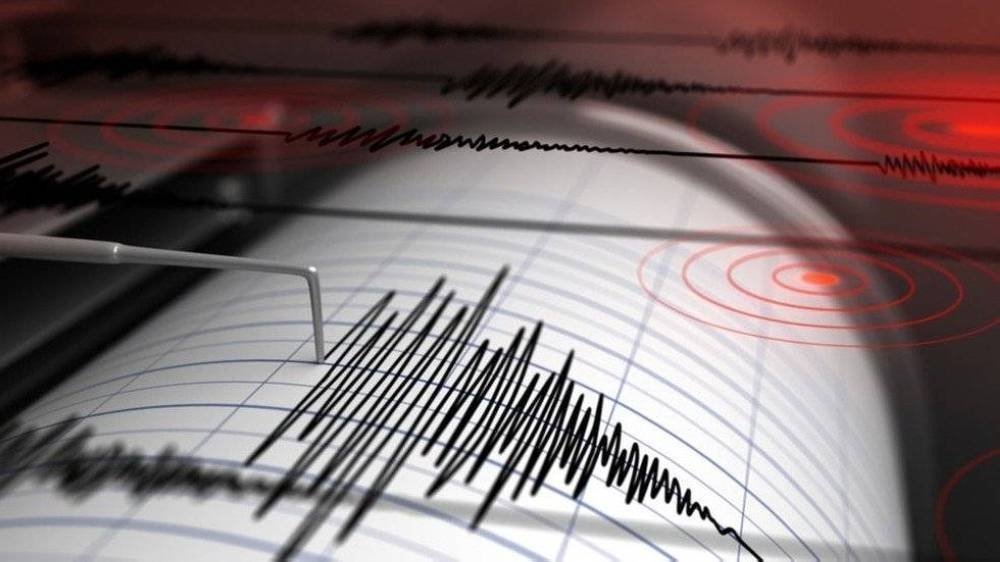
شهدت مصر خلال الأيام القليلة الماضية هزتين أرضيتين متتاليتين، لا يفصل بينهما سوى عدة أيام، شعرت بهما قطاعات واسعة من المواطنين في مختلف المحافظات، من القاهرة الكبرى والدلتا وصولاً إلى السواحل الشمالية.
ورغم أن مركزي الزلزالين كانا يقعان جنوب جزيرة كريت باليونان، وعلى بعد مئات الكيلومترات من الأراضي المصرية، إلا أن قوتهما النسبية التي تجاوزت 6 درجات على مقياس ريختر، كانت كافية لإثارة موجة من القلق والتوتر بين السكان.
وتفاعل المواطنون بشكل كبير مع هذه الأحداث، إذ امتلأت وسائل التواصل الاجتماعي بالشهادات والتساؤلات حول طبيعة الهزات الأرضية وأسبابها، وتزايد البحث عن معلومات حول مدى الأمان في مصر في ظل هذه الظواهر.
وبينما أكد المعهد القومي للبحوث الفلكية والجيوفيزيقية أن مصر ليست ضمن الأحزمة الزلزالية الرئيسية، وأن الزلازل التي تحدث بعمق في البحر المتوسط لا تشكل خطراً مباشراً على البلاد، إلا أن تكرار الشعور بالهزات أثار حتماً العديد من التساؤلات حول الإجراءات الوقائية، وكيفية التعامل مع مثل هذه الظواهر الطبيعية.
ونقلت «بوابة أخبار اليوم»، عن رئيس قسم الزلازل بالمعهد القومي للبحوث الفلكية، الدكتور شريف الهادي، قوله، إن مصر تعرضت لزلزال يوم 14 مايو بقوة 6.4 واستيقظ السكان على زلزال بقوة 6.2، ولا يفصل بينهما سوى ثمانية أيام وهو يقرب من شدة الأول. كاشفاً أنه تم تسجيل أكثر من 15 تابعاً لزلزال كريت بعد عدة ساعات من وقوعه صباح الخميس، وكانت قوة الزلزال الذي وقع في السادسة صباحا 6.24 ريختر، وشعر به مصريون في محافظات شمال البلاد، بينهما العاصمة القاهرة.
وبسؤاله عن حالة مصر الآن وهل أصبحت منطقة مهددة بخطر الزلازل؟ قال إن مصر لا يمر بها أي حزام زلازل، فكلمة «حزام الزلازل» تعني أننا لا نغفل ليلاً أو نهاراً بسبب الزلازل المتتالية. ولكن ما يحدث حالياً هو تأثر مصر بعدد من الأحزمة الزلزالية خارج الحدود المصرية، وهي تبعد بمسافة آمنة، ومن ضمن تلك الأحزمة الزلزالية، ذلك الذي يمر بالبحر المتوسط جنوب جزيرة قبرص وكريت، وهناك نوعان من الزلازل تسمي الأقواس، فهناك القوس الهيليني الذي يتبع جزيرة كريت، والقوس القبرصى التابع لجزيرة قبرص، وهما عبارة عن أحزمة زلزالية يحدث عليها نشاط دائم، وقد يقوى لعمل زلزال مقياسه يفوق مقياس 6 ريختر.
وأكد أن مصر تبعد بمسافة أمنة تماماً، وما يحدث فقط هو إحساس بالهزة وخاصة الأدوار العليا دون أى ضرر بالبنية التحتية أو أي خسائر في الأرواح والممتلكات.
وأما عن وضع مصر في المنطقة على المدى البعيد، فإن هناك توقعات بحدوث زلزال على منطقة الحزام الزلزالي ولا تتعدى قوتها مقياس 6.5 ريختر، وهكذا، وهذا ما يحدث من آن لآخر، وهو الأمر الذي يمكن التوقع به، لكن لا يمكن التنبؤ قبل حدوث الزلزال مثل الطقس، فطبيعة الأرض تختلف تماماً عن طبيعة الطقس، وما نقوم به هو التوقع بحدوث الزلازل وفقاً لمناطق انتشار الزلازل، قد تخمد في بعض الأحيان وقد تنشط أحياناً أخرى.
وتابع أنه فى حالة تواجدنا في المنطقة الآمنة لا يوجد أي دراسات تشير إلى تعرض مناطق عن غيرها للخطر بسبب تلك الهزات الأرضية.
ونصح رئيس قسم الزلازل بالمعهد القومي للبحوث الفلكية، المواطنين وقت الشعور بأى هزات أرضية، بتجنب المصاعد والخروج للسلم، والالتزام بالهدوء، لأن حالة الذعر سوف تخلق حالة من الهلع والتدافع الشديد وهو ما يخلق إصابات.
Egypt has witnessed two consecutive earthquakes in the past few days, separated by only a few days, which were felt by large segments of citizens in various governorates, from Greater Cairo and the Delta to the northern coasts.
Although the epicenters of the earthquakes were located south of the island of Crete in Greece, hundreds of kilometers away from Egyptian territory, their relative strength, which exceeded 6 degrees on the Richter scale, was enough to stir a wave of concern and anxiety among the population.
Citizens reacted significantly to these events, as social media was filled with testimonies and questions about the nature of the earthquakes and their causes, and there was an increase in searches for information about the safety in Egypt in light of these phenomena.
While the National Institute for Astronomical and Geophysical Research confirmed that Egypt is not within the main seismic belts, and that earthquakes occurring deep in the Mediterranean do not pose a direct threat to the country, the repeated sensation of tremors has undoubtedly raised many questions about preventive measures and how to deal with such natural phenomena.
“Akhbar Al-Youm” reported that Dr. Sherif El-Hadi, head of the Earthquake Department at the National Institute for Astronomical Research, stated that Egypt experienced an earthquake on May 14 with a magnitude of 6.4, and residents woke up to an earthquake with a magnitude of 6.2, with only eight days separating the two, which is close to the intensity of the first. He revealed that more than 15 aftershocks of the Crete earthquake were recorded several hours after it occurred on Thursday morning, with the earthquake that took place at six in the morning measuring 6.24 on the Richter scale, felt by Egyptians in northern governorates, including the capital Cairo.
When asked about Egypt's current situation and whether it has become a region threatened by earthquake risks, he said that Egypt does not pass through any seismic belt, as the term "seismic belt" means that we do not sleep at night or during the day due to consecutive earthquakes. However, what is currently happening is that Egypt is affected by several seismic belts outside its borders, which are at a safe distance, including the seismic belt that runs through the Mediterranean Sea south of Cyprus and Crete. There are two types of earthquakes called arcs: the Hellenic arc following Crete and the Cypriot arc associated with Cyprus, both of which are seismic belts that experience ongoing activity and may strengthen to produce an earthquake measuring over 6 on the Richter scale.
He confirmed that Egypt is at a completely safe distance, and what is happening is merely a sensation of tremors, especially in higher floors, without any damage to infrastructure or any loss of life and property.
As for Egypt's position in the region in the long term, there are expectations of an earthquake occurring in the seismic belt area, not exceeding a magnitude of 6.5 on the Richter scale, and this is what happens from time to time, which can be anticipated; however, it is not possible to predict before an earthquake occurs like the weather, as the nature of the earth is completely different from the nature of the weather. What we do is predict the occurrence of earthquakes based on the areas of seismic activity, which may subside at times and may become active at other times.
He continued that if we are in a safe area, there are no studies indicating that certain areas are more at risk than others due to these tremors.
The head of the Earthquake Department at the National Institute for Astronomical Research advised citizens, when feeling any tremors, to avoid elevators and use the stairs, and to remain calm, as a state of panic would create a situation of chaos and severe pushing, which could lead to injuries.