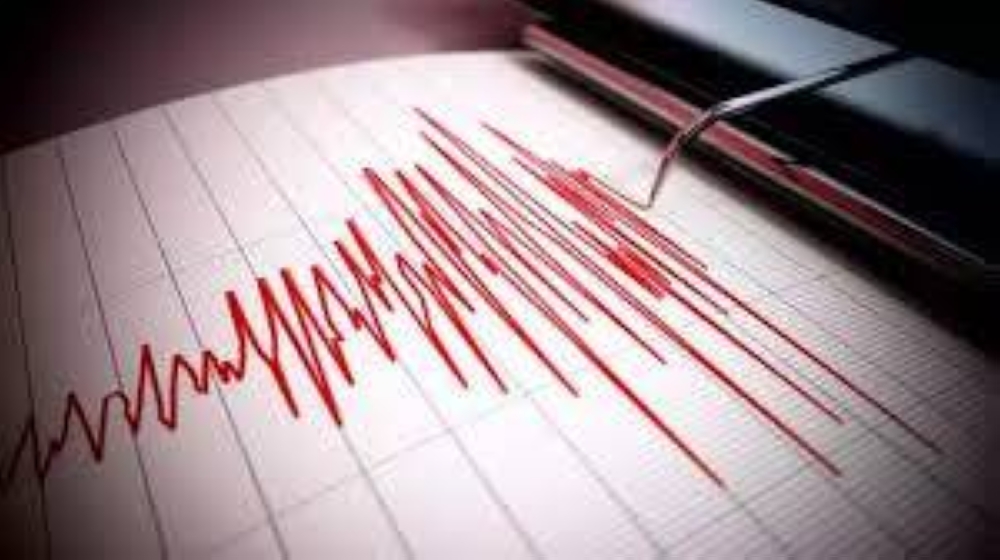
أعلن المعهد القومي للبحوث الفلكية والجيوفيزيقية في مصر اليوم (الخميس) تسجيل محطات الشبكة القومية لرصد الزلازل هزة أرضية بقوة 6.24 درجة على مقياس ريختر، وقعت في جزيرة كريت اليونانية على بعد 499 كيلومتراً شمال مدينة مرسى مطروح.
وأكد المعهد أن الهزة لم تتسبب في أي خسائر بشرية أو مادية في مصر، إلا أنها أثارت حالة من القلق بين المواطنين الذين شعروا بها في مناطق متفرقة، خصوصاً في القاهرة الكبرى، الإسكندرية، ومرسى مطروح.
ووفقاً للبيان الرسمي الصادر عن المعهد، وقعت الهزة الأرضية في تمام الساعة 06:19:38 صباحاً بتوقيت القاهرة، عند خط عرض 35.70 درجة شمالاً وخط طول 25.96 درجة شرقاً، على عمق 68.91 كيلومتر تحت سطح الأرض.
وأوضح رئيس المعهد الدكتور طه رابح أن هذا الزلزال يعد أضعف مقارنة بالهزة الأرضية التي وقعت في 14 مايو 2025 بقوة 6.4 درجة على مقياس ريختر، والتي كانت على بعد 421 كيلومتراً شمال مرسى مطروح.
يشار إلى أن هذه الهزة أتت بعد أيام من أخرى متوسطة القوة مركزها أيضا جزيرة كريت اليونانية، شعر بها سكان مصر الأسبوع الماضي.
وأشار رئيس قسم الزلازل بالمعهد الدكتور شريف الهادي إلى أن الشعور بالهزة استمر لمدة تتراوح بين 15 إلى 20 ثانية، موضحاً أن بعد مركز الزلزال عن الأراضي المصرية بأكثر من 400 كيلومتر جعل تأثيره محدوداً، ولم يؤثر على البنية التحتية في مصر.
وأضاف أن الهزات الارتدادية المتوقعة ستكون أقل قوة ولا تشكل خطراً يُذكر.
وشعر عدد من المواطنين في القاهرة، الإسكندرية، والساحل الشمالي بالهزة الأرضية، ما أثار حالة من القلق، خصوصاً في المناطق المرتفعة.
من جانبه، تابع محافظ الإسكندرية أحمد خالد تداعيات الهزة الأرضية، مؤكداً عدم تسجيل أي خسائر أو بلاغات سلبية في المدينة الساحلية.
وتُعد جزيرة كريت واحدة من أكثر المناطق نشاطًا زلزاليًا في البحر المتوسط بسبب موقعها على خطوط تصدع تكتونية نشطة، نتيجة التقاء الصفائح التكتونية بين القارة الأفريقية وأوراسيا.
وأوضح المعهد أن مصر، رغم بعدها عن الأحزمة الزلزالية العالمية الرئيسية، تتأثر بالهزات القادمة من مناطق مثل خليج العقبة، خليج السويس، وشرق البحر المتوسط.
The National Institute for Astronomical and Geophysical Research in Egypt announced today (Thursday) that the stations of the national earthquake monitoring network recorded an earthquake measuring 6.24 on the Richter scale, which occurred in the Greek island of Crete, 499 kilometers north of Marsa Matrouh.
The institute confirmed that the tremor did not cause any human or material losses in Egypt, but it raised a state of concern among citizens who felt it in various areas, especially in Greater Cairo, Alexandria, and Marsa Matrouh.
According to the official statement issued by the institute, the earthquake occurred at exactly 06:19:38 AM Cairo time, at a latitude of 35.70 degrees north and a longitude of 25.96 degrees east, at a depth of 68.91 kilometers below the earth's surface.
The head of the institute, Dr. Taha Rabah, explained that this earthquake is weaker compared to the tremor that occurred on May 14, 2025, which measured 6.4 on the Richter scale and was located 421 kilometers north of Marsa Matrouh.
It is noteworthy that this tremor came days after another medium-strength quake, also centered in the Greek island of Crete, which was felt by residents of Egypt last week.
Dr. Sherif El-Hadi, head of the earthquakes department at the institute, indicated that the sensation of the tremor lasted between 15 to 20 seconds, explaining that the distance of the earthquake's epicenter from Egyptian territory, more than 400 kilometers, limited its impact and did not affect the infrastructure in Egypt.
He added that the expected aftershocks will be of lesser strength and do not pose a significant risk.
Several citizens in Cairo, Alexandria, and the northern coast felt the earthquake, which raised a state of concern, especially in elevated areas.
For his part, Alexandria Governor Ahmed Khaled monitored the repercussions of the earthquake, confirming that no losses or negative reports were recorded in the coastal city.
The island of Crete is considered one of the most seismically active areas in the Mediterranean due to its location on active tectonic fault lines, resulting from the convergence of the African and Eurasian tectonic plates.
The institute clarified that Egypt, despite its distance from the main global seismic belts, is affected by tremors coming from areas such as the Gulf of Aqaba, the Gulf of Suez, and the eastern Mediterranean.