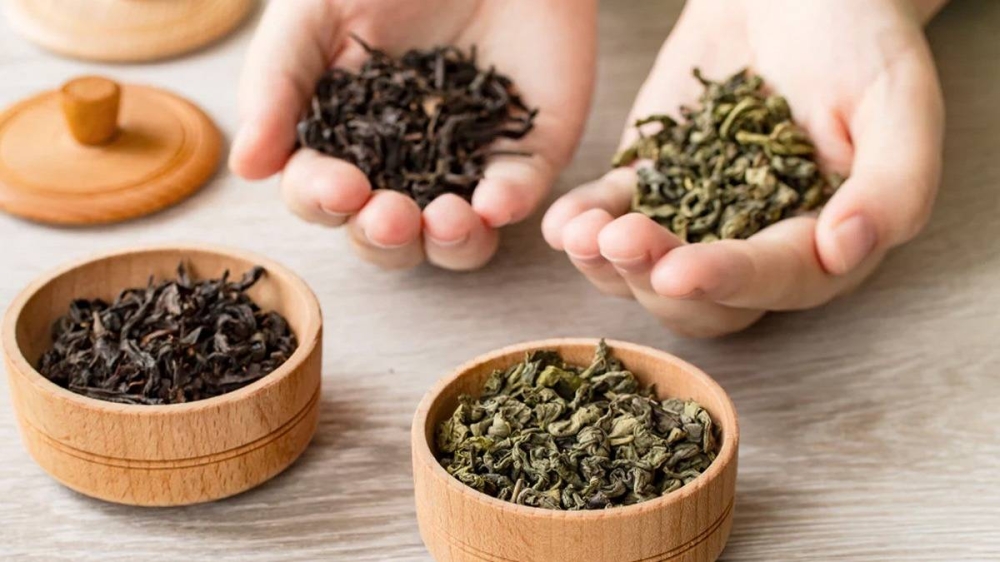
يحتفل العالم، اليوم (الأربعاء)، 21 مايو، باليوم العالمي للشاي، وهو مناسبة تسلط الضوء على الأهمية الثقافية والاقتصادية والاجتماعية لهذا المشروب العريق الذي يعود تاريخه إلى آلاف السنين.
بدأت رحلة الشاي في الصين حوالى عام 2737 قبل الميلاد، إذ كان يُستخدم في الطقوس الدينية، قبل أن يتحول إلى مشروب يومي وعلاج طبي.
وفي الهند، يتجاوز الشاي كونه مجرد مشروب، إذ يُعتبر رمزًا للضيافة وعادة يومية لملايين الأشخاص.
وكشفت خبيرة التغذية في مركز دايتيك بليس في لكناو، الهند ساكشي سينغ، لموقع only myhealth، الفرق بين الشاي الأخضر والأسود وأيهما أكثر فائدة للصحة.
وقالت: «يُستخلص الشاي الأخضر والأسود من نفس النبتة، وهي «كاميليا سينينسيس»، لكن طريقة المعالجة هي ما يميزهما. تُلف أوراق الشاي الأسود وتُعرض للأكسدة، مما يمنحها لونها البني الداكن ونكهتها القوية، أما الشاي الأخضر فلا يخضع للأكسدة، مما يحافظ على لونه الأخضر ويؤثر على نكهته ومحتواه من الكافيين ومضادات الأكسدة».
وأكدت وجود فوائد صحية مشتركة بين الشاي الأسود والأخضر، إذ يحتوي كلا النوعين على مضادات أكسدة قوية تُعرف باسم البوليفينول، التي تحمي الجسم من الأضرار الناتجة عن الجذور الحرة.
وأضافت أنه من بين الفوائد المشتركة لتناول الشاي الأخضر أو الأسود، تعزيز اليقظة وتحسين وظائف الدماغ بفضل الكافيين وحمض أميني يُسمى إل-ثيانين، دعم صحة القلب والأوعية الدموية، تقليل مخاطر الإصابة بالسكتة الدماغية وأمراض القلب، المساعدة في الحفاظ على صحة التمثيل الغذائي وتقليل مخاطر الإصابة بالسكري من النوع الثاني.
وأشارت إلى أن الشاي الأخضر يتميز باحتوائه على مضاد أكسدة قوي يُعرف باسم EGCG (إبيغالوكاتشين-3-غاليت)، الذي يرتبط بالعديد من الفوائد الصحية، منها: خصائص مضادة للسرطان، الحماية من الأمراض العصبية مثل باركنسون والزهايمر، دعم صحة الكبد، تقليل الالتهابات في الجسم.
كما يحتوي الشاي الأخضر على نسبة أقل من الكافيين مقارنة بالشاي الأسود، مما يجعله خيارًا مناسبًا لمن يتجنبون الكافيين الزائد. ويزيد محتواه من إل-ثيانين من الشعور بالهدوء مع الحفاظ على اليقظة.
وأضافت أن الشاي الأسود يحتوي على مضادات أكسدة فريدة تُسمى ثيفلافين، التي تتشكل أثناء عملية الأكسدة، هذه المضادات تدعم صحة القلب، وتساعد في خفض مستويات الكوليسترول والسكر في الدم، وتحمي من السمنة ومتلازمة التمثيل الغذائي، كما يتميز الشاي الأسود أيضًا بمحتوى أعلى من الكافيين، مما يجعله خيارًا مثاليًا لتعزيز الطاقة واليقظة.
Today (Wednesday), May 21, the world celebrates International Tea Day, an occasion that highlights the cultural, economic, and social importance of this ancient beverage that dates back thousands of years.
The journey of tea began in China around 2737 BC, where it was used in religious rituals before it transformed into a daily drink and a medicinal remedy.
In India, tea goes beyond being just a beverage; it is considered a symbol of hospitality and a daily ritual for millions of people.
Nutrition expert Sakshi Singh from Dietetic Place in Lucknow, India, revealed to Only My Health the difference between green and black tea and which one is more beneficial for health.
She said: “Green and black tea are derived from the same plant, Camellia sinensis, but the processing method is what distinguishes them. Black tea leaves are rolled and exposed to oxidation, which gives them their dark brown color and strong flavor, while green tea is not oxidized, preserving its green color and affecting its flavor, caffeine content, and antioxidant levels.”
She confirmed that there are shared health benefits between black and green tea, as both types contain powerful antioxidants known as polyphenols, which protect the body from damage caused by free radicals.
She added that among the common benefits of consuming green or black tea are enhancing alertness and improving brain function thanks to caffeine and an amino acid called L-theanine, supporting cardiovascular health, reducing the risk of stroke and heart disease, helping maintain metabolic health, and lowering the risk of type 2 diabetes.
She pointed out that green tea is distinguished by its content of a powerful antioxidant known as EGCG (epigallocatechin-3-gallate), which is associated with numerous health benefits, including: anti-cancer properties, protection against neurodegenerative diseases such as Parkinson's and Alzheimer's, supporting liver health, and reducing inflammation in the body.
Green tea also contains less caffeine compared to black tea, making it a suitable option for those avoiding excess caffeine. Its higher L-theanine content enhances feelings of calmness while maintaining alertness.
She added that black tea contains unique antioxidants called theaflavins, which form during the oxidation process. These antioxidants support heart health, help lower cholesterol and blood sugar levels, and protect against obesity and metabolic syndrome. Black tea is also characterized by its higher caffeine content, making it an ideal choice for boosting energy and alertness.