أشعلت زيوت البذور، مثل زيت دوار الشمس وزيت بذر الكتان، نقاشًا حادًا في الولايات المتحدة، إذ أثارت آراء متباينة بين العلماء ومؤثري العافية، بل وامتدت إلى الساحة السياسية، بحسب موقع mail online.
تقليديًا، كانت الزبدة ودهن البقر يُعتبران مصادر دهون مشبعة ضارة تزيد من مخاطر الكوليسترول وأمراض القلب، بينما تُشاد بزيوت البذور لاحتوائها على دهون غير مشبعة تُعزز صحة القلب.
لكن موجة جديدة من الانتقادات، مدعومة من شخصيات بارزة مثل وزير الصحة الأمريكي روبرت إف. كينيدي الابن، تروّج لفكرة أن زيوت البذور ضارة وتسبب الالتهابات، داعية إلى العودة إلى دهن البقر بديلاً صحيّاً.
ويركز منتقدو زيوت البذور على احتوائها على حمض اللينوليك، وهو نوع من الدهون غير المشبعة التي يُزعم أنها تتحول في الجسم إلى مركبات التهابية.
هذه الادعاءات تستند إلى دراسات أجريت على حيوانات، أظهرت أن جرعات عالية من اللينوليك قد تسبب الالتهاب. لكن دراسة أمريكية نُشرت في مجلة Nutrition & Metabolism أكدت أن هذا التأثير لا ينطبق على البشر، إذ لم يؤد زيادة استهلاك اللينوليك إلى ارتفاع مستويات الالتهاب في الدم أو الأنسجة.
على العكس، تشير أبحاث مستقلة إلى أن زيوت البذور قد تقلل الالتهابات، وعلى سبيل المثال، أظهرت دراسة نشرت في مجلة Journal of Nutrition أن تناول الكعك المصنوع من زيت دوار الشمس قلل من علامات الالتهاب وإجهاد الأوعية الدموية لدى الرجال ذوي الوزن الزائد، بينما تسببت الكعك المصنوع من الزبدة في زيادتها.
هذه الفوائد تعود إلى احتواء زيوت البذور على دهون غير مشبعة تدعم بناء أغشية خلايا صحية، بما في ذلك الخلايا المناعية التي تتحكم في الالتهابات.
وتتعرض زيوت البذور لانتقادات بسبب طريقة تصنيعها، التي تتضمن استخدام حرارة عالية ومواد كيميائية لإزالة اللون والرائحة، مما يجعلها تبدو غير طبيعية.
لكن لا توجد أدلة قوية تثبت ضرر هذه العمليات على صحة الإنسان. المشكلة الحقيقية تكمن في ارتباط زيوت البذور بالأطعمة فائقة التصنيع مثل رقائق البطاطس والكعك، حيث يُعزى تأثيرها السلبي إلى النظام الغذائي الفقير بالعناصر المغذية، وليس إلى الزيوت نفسها.
ويُثار القلق أيضًا حول أكسدة زيوت البذور عند تسخينها، مما قد ينتج عنه مركبات ضارة. لكن الدراسات تؤكد أن الاستخدام المنزلي العادي لزيوت البذور المكررة لا ينتج مستويات ضارة من هذه المركبات.
بينما تظهر المشكلة عند إعادة تسخين الزيوت بشكل متكرر، كما في المقالي العميقة بالمطاعم، وهو أمر لا ينطبق على الطهي المنزلي.
ويبقى زيت الزيتون، خصوصاً البكر الممتاز، الخيار الأمثل لفوائده المضادة للالتهابات، بفضل محتواه العالي من الدهون غير المشبعة ومضادات الأكسدة (البوليفينول).
كما أظهرت دراسة، نشرت في مجلة Nutrition، أن استهلاك زيت الزيتون بانتظام يقلل من علامات الالتهاب، خصوصاً لدى الأشخاص المعرضين لأمراض مزمنة.
أما زيت بذر الكتان، فيُعتبر خيارًا اقتصاديًا وصحيًا للقلب والكبد، إذ أظهرت دراسة في British Journal of Nutrition عام 2024 أن استبدال الزبدة به يقلل دهون الكبد ويحسن مستويات الكوليسترول.
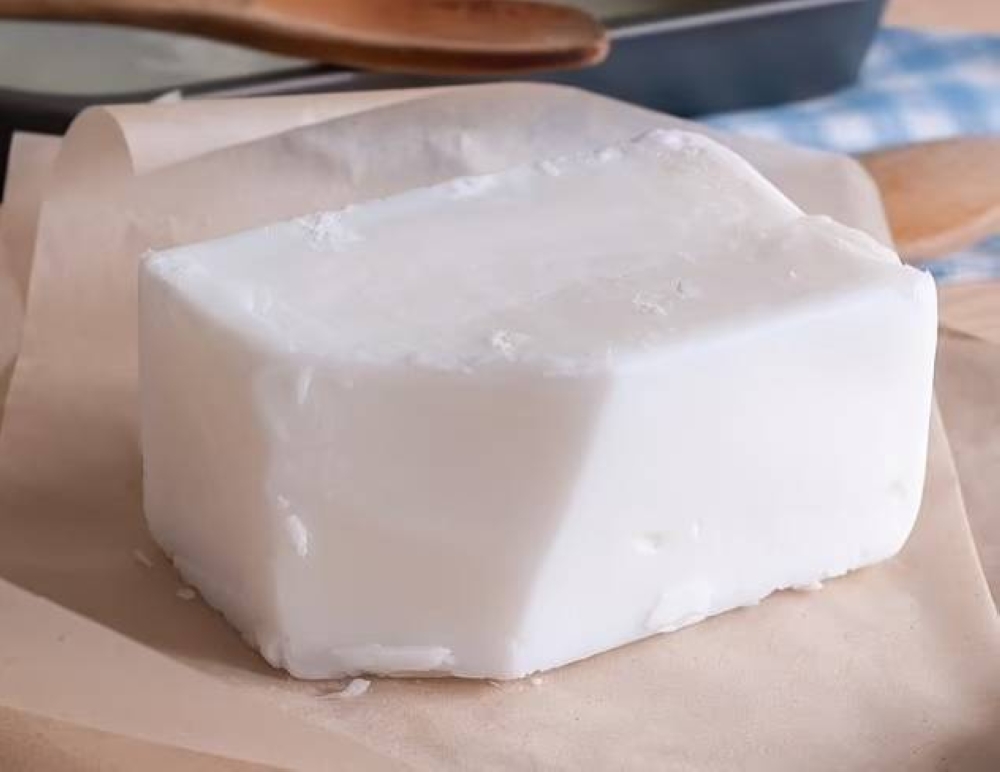
ويروج البعض لدهن البقر بديلاً طبيعيّاً، لكنه يحتوي على نسبة عالية من الدهون المشبعة (50%)، التي ترتبط بزيادة الكوليسترول الضار ومخاطر القلب، وفقًا لدراسة في مجلة Circulation.
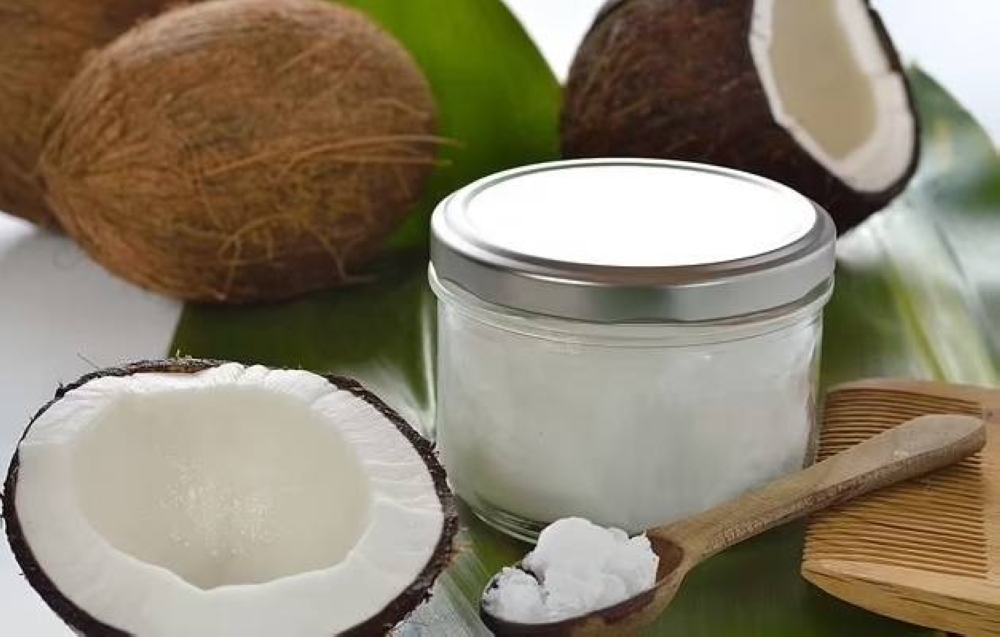
أما زيت جوز الهند، الذي شُهر بفوائده سابقًا، فقد أظهرت دراسة في Diabetes & Metabolic Syndrome أنه يرفع الكوليسترول الضار أكثر من الفوائد التي يقدمها، مما يجعله خيارًا أقل تفضيلًا مقارنة بزيوت البذور أو زيت الزيتون.
Seed oils, such as sunflower oil and flaxseed oil, have sparked a heated debate in the United States, generating differing opinions among scientists and wellness influencers, and even extending into the political arena, according to mail online.
Traditionally, butter and beef fat were considered sources of harmful saturated fats that increase the risks of cholesterol and heart disease, while seed oils were praised for containing unsaturated fats that promote heart health.
However, a new wave of criticism, supported by prominent figures such as American Health Secretary Robert F. Kennedy Jr., is promoting the idea that seed oils are harmful and cause inflammation, calling for a return to beef fat as a healthier alternative.
Critics of seed oils focus on their content of linoleic acid, a type of unsaturated fat that is claimed to convert into inflammatory compounds in the body.
These claims are based on studies conducted on animals, which showed that high doses of linoleic acid may cause inflammation. However, an American study published in the journal Nutrition & Metabolism confirmed that this effect does not apply to humans, as increased consumption of linoleic acid did not lead to elevated levels of inflammation in blood or tissues.
On the contrary, independent research suggests that seed oils may reduce inflammation; for example, a study published in the Journal of Nutrition found that consuming cakes made with sunflower oil reduced markers of inflammation and vascular stress in overweight men, while cakes made with butter increased them.
These benefits are attributed to the presence of unsaturated fats in seed oils that support the building of healthy cell membranes, including immune cells that regulate inflammation.
Seed oils face criticism due to their manufacturing process, which involves the use of high heat and chemicals to remove color and odor, making them appear unnatural.
However, there is no strong evidence proving that these processes harm human health. The real issue lies in the association of seed oils with ultra-processed foods like potato chips and cakes, where their negative impact is attributed to a diet poor in nutrients, not the oils themselves.
Concerns are also raised about the oxidation of seed oils when heated, which may produce harmful compounds. However, studies confirm that regular home use of refined seed oils does not result in harmful levels of these compounds.
The problem arises when oils are repeatedly reheated, as in restaurant deep fryers, which does not apply to home cooking.
Olive oil, especially extra virgin, remains the optimal choice for its anti-inflammatory benefits, thanks to its high content of unsaturated fats and antioxidants (polyphenols).
A study published in the journal Nutrition showed that regular consumption of olive oil reduces markers of inflammation, particularly in individuals at risk for chronic diseases.
Flaxseed oil is considered an economical and heart-healthy option, as a study in the British Journal of Nutrition in 2024 found that replacing butter with it reduces liver fat and improves cholesterol levels.
Some promote beef fat as a natural alternative, but it contains a high percentage of saturated fats (50%), which are linked to increased harmful cholesterol and heart risks, according to a study in the journal Circulation.
Coconut oil, which was previously popular for its benefits, has shown in a study in Diabetes & Metabolic Syndrome that it raises harmful cholesterol more than the benefits it provides, making it a less preferred option compared to seed oils or olive oil.