في إنجاز طبي غير مسبوق، تمكن جراحون في الولايات المتحدة من إجراء أول عملية زراعة مثانة في التاريخ، ما يمنح الأمل لآلاف المرضى الذين يعانون من فشل هذا العضو الحيوي.
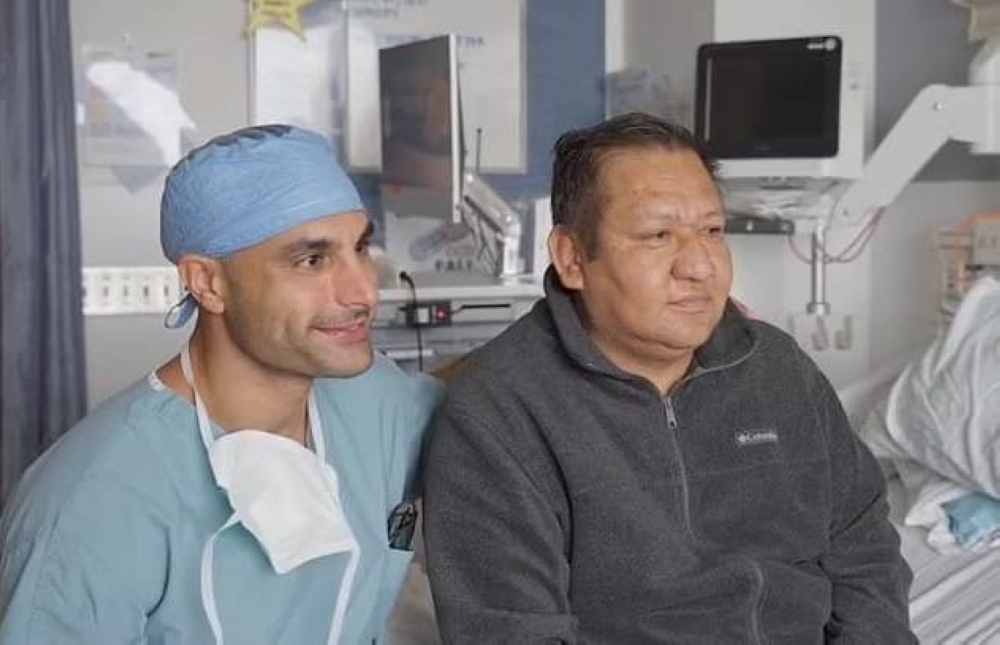
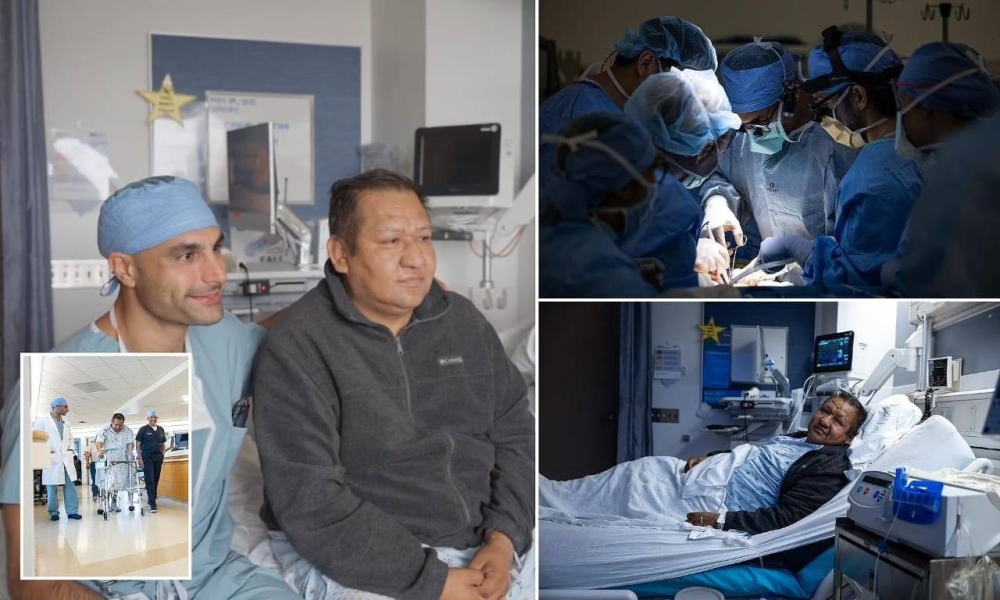
المريض الأول الذي خضع لهذه العملية الرائدة هو أوسكار لاراينزار، وهو رجل يبلغ من العمر 41 عاماً من لوس أنجليس، كان يعاني من نوع نادر من سرطان المثانة أدى إلى فقدانه معظم وظائف المثانة، وفقاً لموقع «mail onlie».
وبعد خضوعه لعلاج من سرطان الغدة الدرقية النادر في المثانة قبل 4 سنوات، أصبح لاراينزار يعيش بمثانة تكاد تكون معدومة الوظيفة، حيث لم تستطع استيعاب أكثر من 30 سنتيمتراً مكعباً من السوائل، مقارنة بـ300 سنتيمتر مكعب للمثانة الطبيعية.
كما كان يعتمد على غسيل الكلى لمدة 7 سنوات بعد استئصال كليتيه ضمن علاج السرطان.
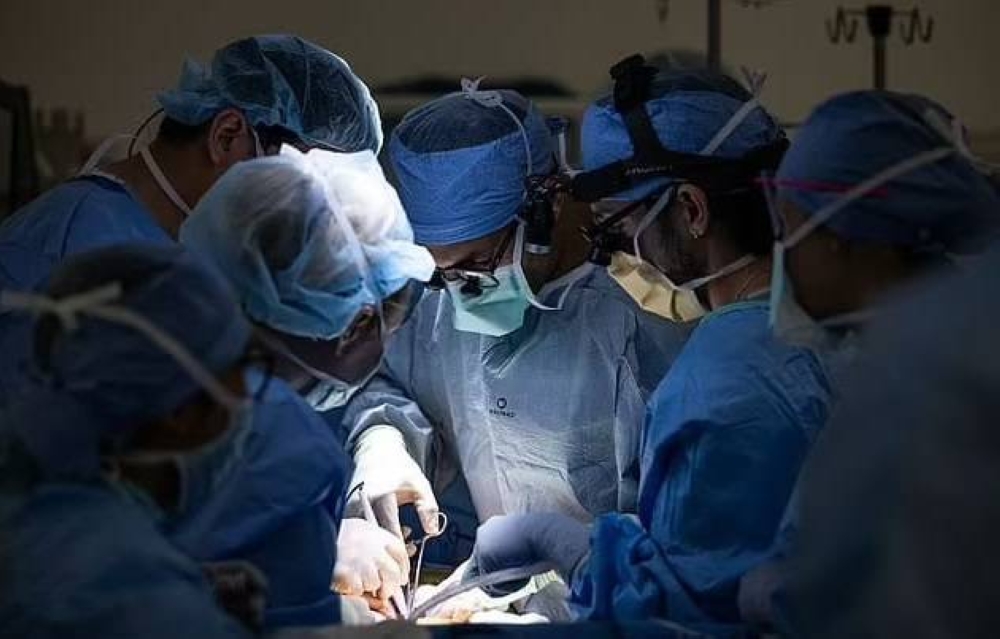
وفي عملية معقدة استغرقت 8 ساعات، أجرى الفريق الطبي زراعة كلية ومثانة معاً، وتم زرع الكلية أولاً، ثم المثانة، وربطت الكلية الجديدة بالمثانة الجديدة.
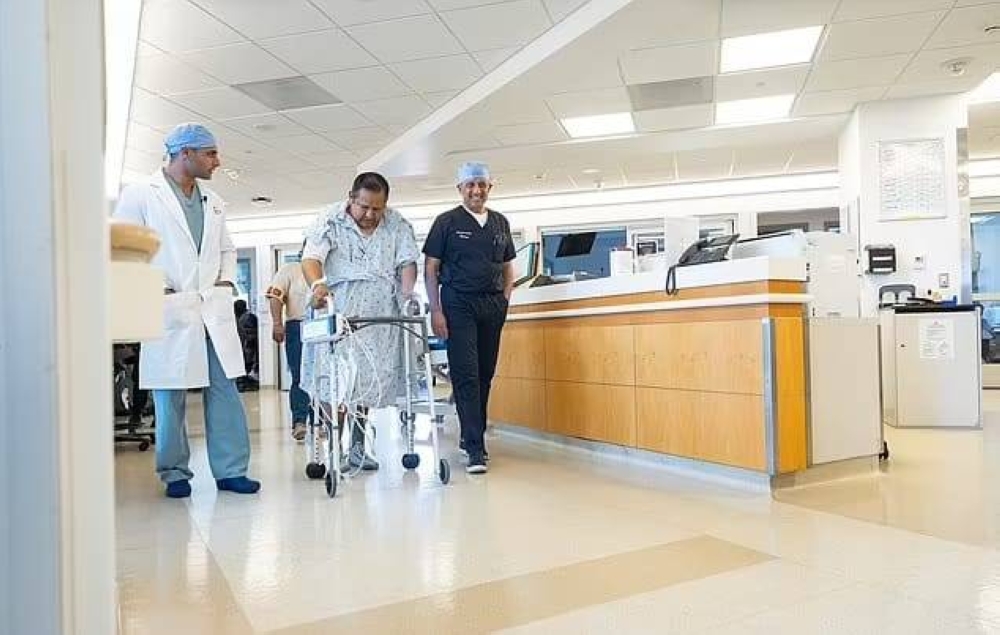
وبحسب أحد أعضاء الفريق الجراحي، بدأت الكلية الجديدة بإنتاج كمية كبيرة من البول فوراً، وتحسنت وظائف الكلى لدى المريض على الفور، ما أنهى حاجته لغسيل الكلى، كما تمكن لاراينزار من إنتاج البول بشكل طبيعي لأول مرة منذ 7 سنوات.
الدكتور إندربر جيل، رئيس قسم المسالك البولية بجامعة جنوب كاليفورنيا الذي قاد العملية، وصف هذا الإنجاز بأنه لحظة تاريخية في الطب، مضيفاً أن زراعة المثانة تفتح أبواباً جديدة للمرضى لم تكن متاحة من قبل.
وأكد أن هذا الخيار العلاجي قد ينقذ الأرواح ويحسن نوعية الحياة، مضيفاً المثانة إلى قائمة الأعضاء القابلة للزراعة.
وعلى عكس الخيارات التقليدية مثل استخدام الأمعاء لتعويض المثانة أو تركيب مثانة خارجية، التي غالباً ما تسبب مضاعفات مثل التهابات متكررة ومشاكل في الكلى أو الجهاز الهضمي، توفر زراعة المثانة خياراً أكثر طبيعية وأقل مخاطر. ومع ذلك، يظل رفض الجسم للعضو المزروع والآثار الجانبية للأدوية المثبطة للمناعة من التحديات الرئيسية.
ويخطط الفريق الطبي لإجراء 4 عمليات زراعة أخرى ضمن تجربة سريرية لتقييم النتائج، مثل سعة المثانة، قبل توسيع نطاق الدراسة.
ويُعتبر المرشحون المثاليون حالياً هم من خضعوا لزراعة أعضاء سابقاً أو من يحتاجون إلى زراعة كلية ومثانة معاً.
الدكتور جيل أشار إلى أن المريض يتعافى بشكل جيد، لكنه حذر قائلاً: ما زلنا في بداية الطريق، لكن تمكّن المريض من التبول بعد 7 سنوات يعد إنجازاً ضخماً بالنسبة لنا جميعاً.
In an unprecedented medical achievement, surgeons in the United States have successfully performed the first bladder transplant in history, offering hope to thousands of patients suffering from failure of this vital organ.
The first patient to undergo this pioneering procedure is Oscar Laraenzar, a 41-year-old man from Los Angeles, who suffered from a rare type of bladder cancer that led to the loss of most of his bladder functions, according to the website “mail online.”
After undergoing treatment for rare thyroid cancer in the bladder four years ago, Laraenzar lived with a bladder that was nearly non-functional, as it could not hold more than 30 cubic centimeters of fluid, compared to 300 cubic centimeters for a normal bladder.
He had also been reliant on dialysis for 7 years after having both kidneys removed as part of his cancer treatment.
In a complex 8-hour procedure, the medical team performed a simultaneous kidney and bladder transplant, with the kidney being transplanted first, followed by the bladder, and the new kidney was connected to the new bladder.
According to one member of the surgical team, the new kidney began producing a large amount of urine immediately, and the patient's kidney function improved right away, ending his need for dialysis, while Laraenzar was able to produce urine naturally for the first time in 7 years.
Dr. Inderbir Gill, head of the urology department at the University of Southern California who led the operation, described this achievement as a historic moment in medicine, adding that bladder transplantation opens new doors for patients that were previously unavailable.
He confirmed that this treatment option could save lives and improve quality of life, adding the bladder to the list of transplantable organs.
Unlike traditional options such as using the intestines to compensate for the bladder or installing an external bladder, which often cause complications like recurrent infections and kidney or gastrointestinal problems, bladder transplantation offers a more natural and lower-risk option. However, rejection of the transplanted organ and the side effects of immunosuppressive drugs remain major challenges.
The medical team plans to conduct 4 more transplant surgeries as part of a clinical trial to assess outcomes, such as bladder capacity, before expanding the study.
The ideal candidates currently are those who have previously undergone organ transplants or those who need both a kidney and bladder transplant.
Dr. Gill noted that the patient is recovering well, but he cautioned, saying: We are still at the beginning of the road, but the patient being able to urinate after 7 years is a huge achievement for all of us.