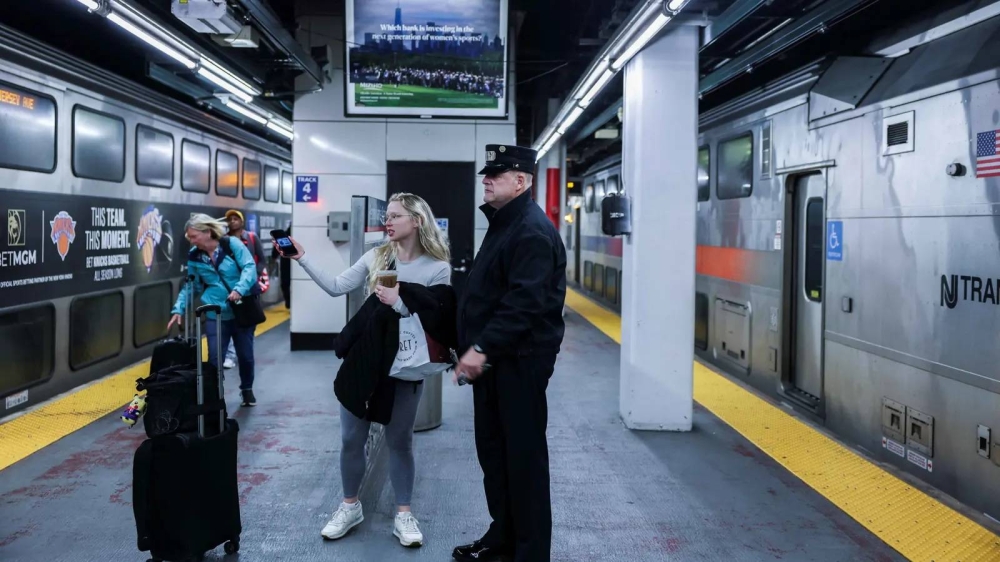
بدأ مشغلو القطارات في شركة «نيوجيرسي ترانزيت» الأمريكية إضراباً يعد الأول منذ 42 عاماً، وينذر بكارثة يومية لأكثر من 100 ألف راكب، ويهدد الأعمال في منطقة نيويورك الكبرى، بحسب «سي إن إن».
وفشلت محاولات التوصل إلى اتفاق لتفادي الإضراب بين إدارة السكك الحديدية ونقابة «الأخوة الدولية لمهندسي القطارات»، التي رفض 87% من أعضائها اتفاقاً تمهيدياً سابقاً كان سيمنحهم أول زيادة في الأجور منذ عام 2019.
ودعت إدارة شركة «نيوجيرسي ترانزيت» الركاب إلى ترتيب بدائل للتنقل، والعمل من المنزل إن أمكن، في ظل اعتماد الأغلبية على هذا الخط للوصول إلى وظائفهم في مدينة نيويورك، ويعد هذا الخط ثالث أكبر خطوط القطارات في الولايات المتحدة.
وسيزيد الإضراب من الازدحام على الجسور والأنفاق التي تربط نيوجيرسي بمانهاتن، وسيكلف البعض رسوم «التسعير المزدحم» التي تصل إلى 9 دولارات، إضافة إلى رسوم الجسور والأنفاق التي تتجاوز ذلك بكثير.
ورغم أن قطاع السكك الحديدية يخضع لقانون فيدرالي عمره قرن من الزمن يُعرف بـ«قانون العمل في السكك الحديدية»، ويحد من قدرة النقابات على الإضراب، فإن تدخّل الكونغرس غير مضمون هذه المرة.
في ديسمبر 2022، تدخل الكونغرس وأجبر عمال السكك الحديدية في خطوط الشحن الكبرى على قبول اتفاقية رفضوها، لكن الخبراء يرون أن فرص التدخل هذه المرة أقل، نظراً إلى أن الإضراب يخص شركة نقل محلية وليس قطاع الشحن الوطني.
وشهدت قطاعات السكك الحديدية الإقليمية سابقاً إضرابات طويلة دون تدخل من الكونغرس، مثل إضراب شركة «نيوجيرسي ترانزيت» عام 1983 الذي استمر شهراً كاملاً، وإضراب SEPTA في بنسلفانيا الذي استمر 108 أيام، و42 يوماً في «مترو نورث».
The train operators at the American company "New Jersey Transit" have begun a strike, the first in 42 years, which threatens to create a daily disaster for more than 100,000 passengers and jeopardizes business in the greater New York area, according to CNN.
Attempts to reach an agreement to avoid the strike between the railroad management and the "International Brotherhood of Locomotive Engineers" union failed, as 87% of its members rejected a previous tentative agreement that would have granted them their first pay raise since 2019.
The management of "New Jersey Transit" has urged passengers to arrange alternative transportation and work from home if possible, as the majority rely on this line to reach their jobs in New York City. This line is the third largest train line in the United States.
The strike will increase congestion on the bridges and tunnels connecting New Jersey to Manhattan, and some will incur "congestion pricing" fees of up to $9, in addition to bridge and tunnel tolls that far exceed that amount.
Although the railroad sector is subject to a century-old federal law known as the "Railway Labor Act," which limits the ability of unions to strike, congressional intervention is not guaranteed this time.
In December 2022, Congress intervened and forced railroad workers in major freight lines to accept an agreement they had rejected, but experts believe the chances of intervention this time are lower, as the strike involves a local transit company rather than the national freight sector.
Regional railroad sectors have previously experienced long strikes without congressional intervention, such as the "New Jersey Transit" strike in 1983 that lasted a full month, the SEPTA strike in Pennsylvania that lasted 108 days, and 42 days in "Metro North."