خمسة أيام بين مرتفعات أرمينيا كانت كافية لتغيير نظرتي إلى هذا البلد. قصدته بحثاً عن تاريخه وآثاره، وعدت محملاً بانطباعات صنعتها الطبيعة والناس بقدر ما صنعتها الحجارة العتيقة. فمن الكاتدرائيات البازلتية والأديرة المنحوتة في الصخور إلى الجبال والبحيرات، تبدو أرمينيا وكأنها طبقات متراكمة من الزمن، تتكامل معها ضيافة دافئة لا تغيب عن أي محطة.
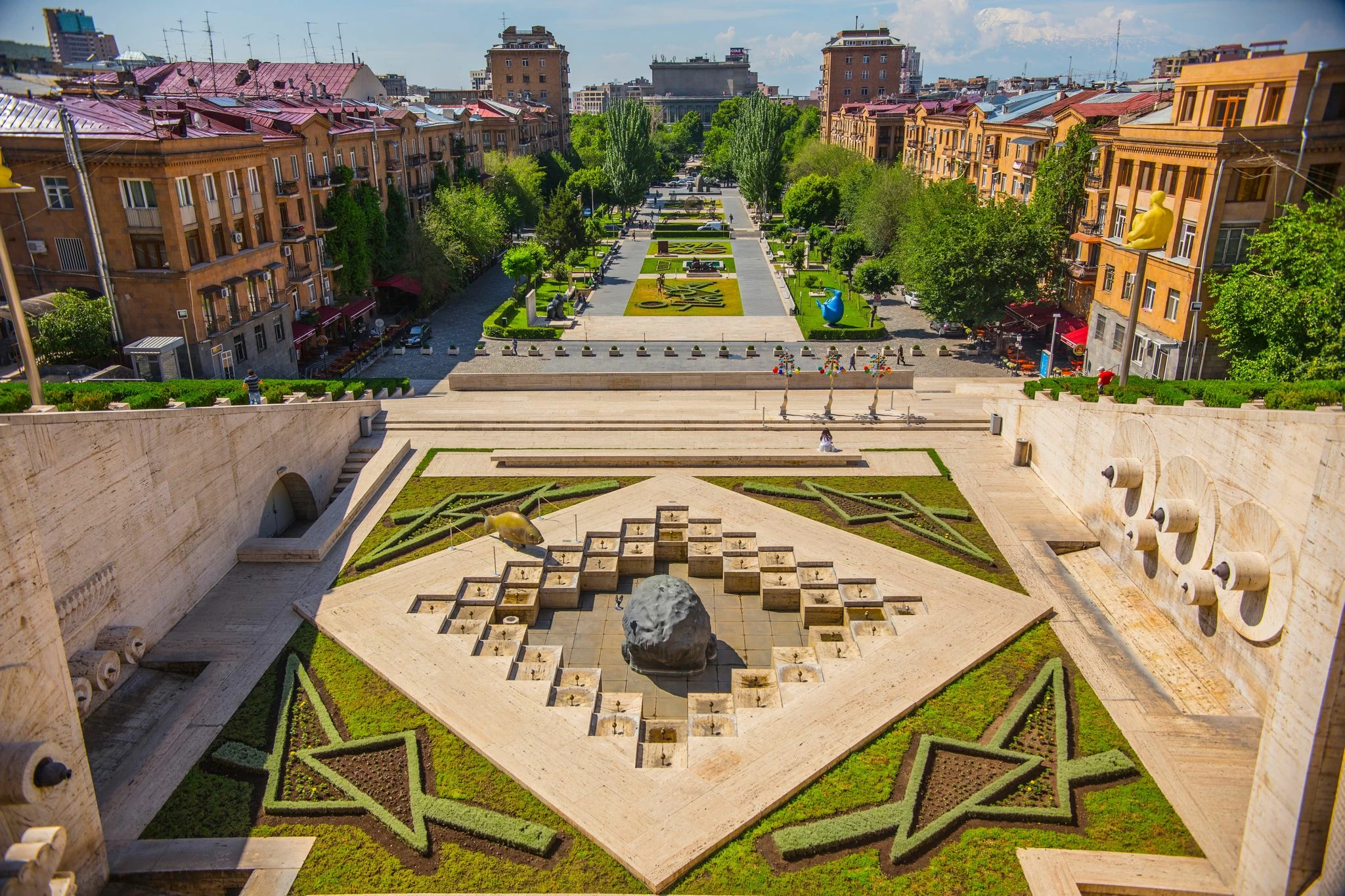
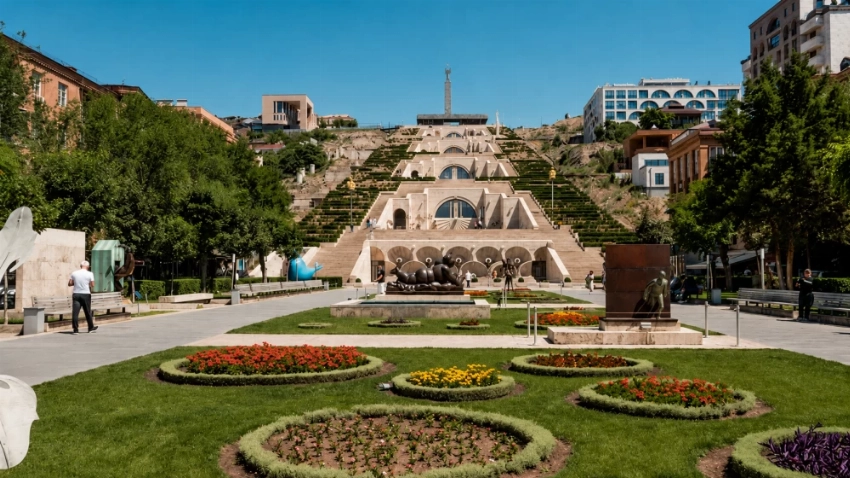
بدأت الرحلة في يريفان، العاصمة التي تتلون مبانيها بحجارة التوف البركانية، وتنبض بالحياة حتى ساعات الليل. ومع غروب الشمس، تتحول شوارعها وساحاتها إلى مشهد هادئ يختلط فيه التاريخ بالحياة اليومية. أما المطبخ الأرمني، فكان جزءاً من التجربة منذ الليلة الأولى؛ أطباق تقليدية، وخبز «اللافاش» الذي يحتل مكانة خاصة في الثقافة المحلية، وأجواء تجعل الزائر يشعر بكرم الضيافة منذ اللحظة الأولى.
وفي صباح اليوم التالي، زرنا مجمع ومتحف النصب التذكاري للإبادة الجماعية الأرمنية في تسيتسرناكابيرد، وهو موقع يفرض على زائره لحظات من الصمت والتأمل، قبل أن نواصل الطريق نحو إقليم كوتايك، حيث يقف معبد غارني فوق مرتفع يطل على وادٍ سحيق، في واحد من أبرز المشاهد التاريخية والطبيعية في البلاد. وعلى مقربة منه، تكشف «سيمفونية الحجارة» عن أعمدة بازلتية سداسية الشكل مصطفة بدقة لافتة، في لوحة يصعب تصديق أن الطبيعة وحدها هي من رسمتها.
ولم تقتصر التجربة على مشاهدة المناظر الطبيعية، بل تضمنت قيادة الدراجات الرباعية فوق المسارات الجبلية، ثم زيارة ورشة تقليدية لمشاهدة إعداد خبز اللافاش داخل التنور الطيني، في تجربة عكست جانباً من الموروث الثقافي الأرمني. كما شكل دير غيغارد، المنحوت في قلب الجبل والمسجل ضمن قائمة التراث العالمي لليونسكو، محطة مختلفة، حيث يمتزج الصمت بجمال العمارة المنحوتة في الصخر.
ومن هناك اتجهنا شمالاً إلى بحيرة سيفان، التي تبدو أشبه ببحرٍ تحيط به الجبال على ارتفاع يقارب ألفي متر فوق سطح البحر. وخلال جولة بالقارب الشراعي، بدت المياه الزرقاء والهواء البارد جزءاً من تجربة يصعب نسيانها. ثم قادتنا الطريق إلى ديليجان، التي يطلق عليها الأرمن «سويسرا أرمينيا» بفضل غاباتها وشوارعها الهادئة وطابعها الجبلي، قبل أن نصل إلى إقليم لوري، حيث قضينا ليلة وسط الطبيعة في فندق يطل على الجبال، أعقبها صباح هادئ استكشفنا خلاله المنطقة على ظهور الخيل، في واحدة من أكثر لحظات الرحلة سكينة.
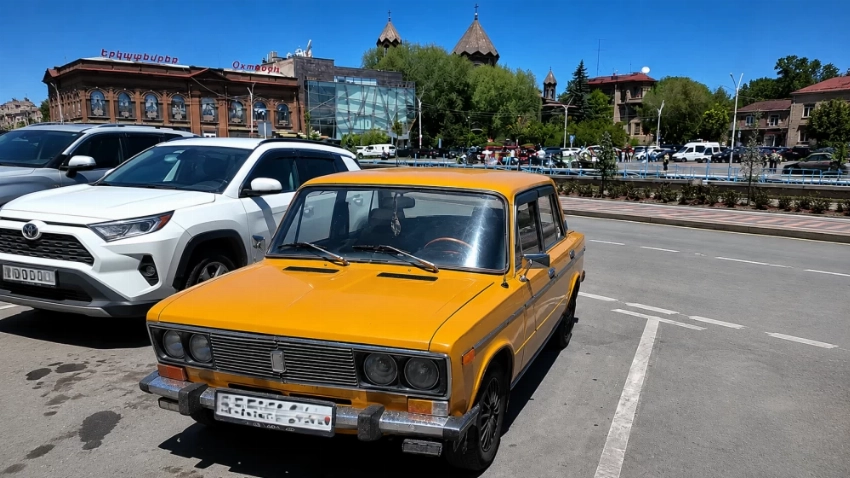
أما غيومري، ثاني أكبر مدن أرمينيا، فقدمت وجهاً مختلفاً للبلاد؛ مدينة تحتفظ بعمارتها الحجرية وتاريخها، رغم ما مرت به من زلازل، وتشتهر بروح الدعابة التي تميز سكانها. وفي اليوم الأخير، زرنا إتشميادزين، مقر الكنيسة الرسولية الأرمنية، وكاتدرائية زفارتنوتس المدرجة على قائمة التراث العالمي، حيث تكشف هذه المواقع عن جانب مهم من التاريخ الديني والثقافي للبلاد.
ما خرجت به من هذه الرحلة أن أرمينيا تجمع في مساحة واحدة بين التاريخ والطبيعة والمغامرة. فهي تمنح عشاق الثقافة مواقع تاريخية مدرجة على قائمة اليونسكو، وتوفر لمحبي الأنشطة الخارجية تجارب مثل ركوب الخيل والإبحار وقيادة الدراجات الرباعية، كما تناسب العائلات بفضل قرب المسافات بين معالمها وكرم الضيافة الذي يرافق الزائر في كل محطة. ولم تكن أكثر ما علق في الذاكرة الآثار وحدها، بل أيضاً خبز اللافاش الخارج من التنور، وزرقة بحيرة سيفان، وهدوء لوري، وروح غيومري، والصمت الذي يلف دير غيغارد.
وللمسافرين من السعودية، أصبحت زيارة أرمينيا أكثر سهولة مع استمرار إعفاء المواطنين السعوديين من تأشيرة الدخول حتى الأول من يوليو 2027، وهو ما يجعلها وجهة قريبة ومناسبة، خاصة خلال أشهر الصيف، مع أهمية التحقق من أحدث شروط الدخول عبر الجهات الرسمية قبل السفر.
Five days among the heights of Armenia were enough to change my perspective on this country. I visited it in search of its history and monuments, and returned laden with impressions shaped as much by nature and people as by the ancient stones. From basalt cathedrals and monasteries carved into rocks to mountains and lakes, Armenia seems like layers accumulated over time, complemented by a warm hospitality that is present at every stop.
The journey began in Yerevan, the capital, where the buildings are colored with volcanic tuff stones and pulse with life until late at night. As the sun sets, its streets and squares transform into a serene scene where history blends with daily life. The Armenian cuisine was part of the experience from the very first night; traditional dishes, and "lavash" bread, which holds a special place in local culture, create an atmosphere that makes the visitor feel the warmth of hospitality from the very first moment.
On the following morning, we visited the Armenian Genocide Memorial and Museum complex in Tsitsernakaberd, a site that imposes moments of silence and reflection on its visitors, before we continued our journey to the Kotayk region, where the Garni Temple stands on a hill overlooking a deep valley, one of the most prominent historical and natural scenes in the country. Nearby, the "Symphony of Stones" reveals hexagonal basalt columns arranged with remarkable precision, in a tableau that is hard to believe was crafted solely by nature.
The experience was not limited to viewing landscapes; it included driving quad bikes over mountain trails, followed by a visit to a traditional workshop to see how lavash bread is prepared inside a clay oven, reflecting a part of the Armenian cultural heritage. The Geghard Monastery, carved into the heart of the mountain and listed as a UNESCO World Heritage site, offered a different stop, where silence blends with the beauty of architecture carved into rock.
From there, we headed north to Lake Sevan, which resembles a sea surrounded by mountains at an altitude of nearly two thousand meters above sea level. During a sailing tour, the blue waters and cool air were part of an unforgettable experience. The road then led us to Dilijan, known to Armenians as the "Switzerland of Armenia" due to its forests, quiet streets, and mountainous character, before we reached the Lori region, where we spent a night amidst nature in a hotel overlooking the mountains, followed by a peaceful morning exploring the area on horseback, one of the most tranquil moments of the trip.
Gyumri, the second largest city in Armenia, presented a different face of the country; a city that retains its stone architecture and history, despite the earthquakes it has endured, and is known for the humor that characterizes its residents. On the last day, we visited Echmiadzin, the seat of the Armenian Apostolic Church, and the Zvartnots Cathedral, which is listed as a World Heritage site, where these sites reveal an important aspect of the country’s religious and cultural history.
What I took away from this trip is that Armenia combines history, nature, and adventure in one space. It offers culture lovers UNESCO-listed historical sites, provides outdoor activity enthusiasts with experiences like horseback riding, sailing, and quad biking, and is family-friendly due to the short distances between its attractions and the hospitality that accompanies visitors at every stop. What lingered most in memory were not only the monuments but also the lavash bread fresh from the oven, the blue of Lake Sevan, the tranquility of Lori, the spirit of Gyumri, and the silence that envelops the Geghard Monastery.
For travelers from Saudi Arabia, visiting Armenia has become easier with the continued exemption of Saudi citizens from entry visas until July 1, 2027, making it a nearby and suitable destination, especially during the summer months, with the importance of checking the latest entry requirements through official channels before traveling.