في مختبرات «هواوي» بمدينة شنجن الصينية، لا يتردد المهندسون في وصف الوضع الحالي بـ «حرب الاستقلال التقني». بعيداً عن أضواء المؤتمرات العالمية، تدور معركة صامتة وشرسة، سلاحها الوحيد هو «الرقاقة» (Chip)، ورهانها هو السيطرة على العقل الإلكتروني الذي سيقود العالم في العقد القادم.
كواليس «الخنق» و«الاستجابة»
بدأت الحكاية بقرار دولي لتقييد وصول الصين إلى أحدث تقنيات المعالجات المتقدمة. كان الهدف واضحاً: وضع سقف لنمو الذكاء الاصطناعي الصيني. لكن الرد لم يأتِ من الحكومة الصينية فحسب، بل جاء من قلب «هواوي»، التي وجدت نفسها في موقع الدفاع عن وجودها التقني، لتبدأ في بناء «سورها التقني العظيم».
واليوم، تغيرت قواعد اللعبة. فالبيانات الصادرة عن «فاينانشال تايمز» لا تتحدث عن مجرد أرقام، بل عن تحول استراتيجي، إذ تتوقع هواوي نمواً في إيراداتها من رقائق الذكاء الاصطناعي بنسبة لا تقل عن 60% خلال عام 2026، لتصل إلى عتبة الـ 12 مليار دولار، مقارنة بـ 7.5 مليار في عام 2025.
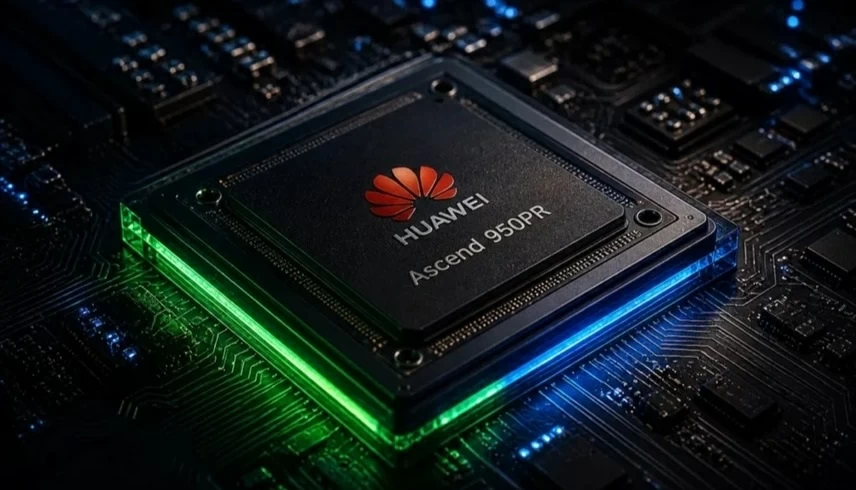
وفي قلب هذه المعركة، يبرز المعالج «أسيند 950 بي.آر» كأيقونة لهذا التحدي. وكان هذا المعالج دخل خط الإنتاج الواسع في مارس الماضي، ليصبح «المنقذ» للشركات الصينية التي وجدت نفسها محاصرة بقيود التصدير.
وللحقيقة التقنية، فإن هواوي لا تحاول «قتل» نيفيديا الأمريكية في السوق العالمية، فهي تدرك أن نيفيديا بـ «نظام كودا» (CUDA) وسيطرتها على البرمجيات العالمية لا تزال تمتلك اليد العليا. لكن هواوي تلعب بذكاء في «الملعب المحلي»؛ فهي توفر للشركات الصينية بديلاً يعوضها عن النسخ «المُضعفة» من الرقائق الأمريكية (H20) التي تُباع في الصين، مقدمةً أداءً مستقراً وكافياً جداً في ظل غياب أي بديل آخر.
صراع «المنظومات» لا «القطع»
ويمكن القول إن المعركة الحقيقية ليست في سرعة «الترانزستور» فقط، بل في بناء منظومة بديلة. فالشركات الصينية الكبرى أصبحت الآن أمام خيار صعب: إما الاعتماد على توريد غير مستقر، أو التحول الكامل نحو بيئة «هواوي» المتكاملة التي تشمل الرقاقة، والبرمجيات، والبنية التحتية للحوسبة.
كما أن إطلاق المعالج المطور «950 دي.تي» في الربع الرابع من هذا العام سيكون الاختبار الأصعب، فهو يمثل محاولة هواوي للارتقاء بـ«المنظومة» لتنافس في عمليات التدريب العميق (Deep Training) التي كانت يوماً ما حكراً على المعالجات الأمريكية.
وعندما نتحدث عن 12 مليار دولار، فنحن لا نتحدث عن نجاح تجاري فحسب، بل عن اقتصاد صيني قرر أن يغلق أبوابه تقنياً ويصنع أدواته الخاصة.
ولا تزال المعركة في بدايتها، والطرفان يدركان أن الغلبة لمن يمتلك «المعمارية الأكثر مرونة». وبينما تظل نيفيديا الأمريكية هي «الملك» في عالم البرمجيات والابتكار العالمي، أصبحت هواوي الصينية هي «المهندس» الذي يعيد بناء صرح الذكاء الاصطناعي الصيني بعيداً عن أشباح الحظر.
إنها حرب لا تعتمد على الصواريخ، بل على دقة الليثوغرافيا، وفي هذه الحرب، يبدو أن هواوي قد وجدت في «العقوبات» دافعاً كان ينقصها للتحول من مجرد مستخدم للتكنولوجيا إلى صانع لها.
In the laboratories of "Huawei" in the Chinese city of Shenzhen, engineers do not hesitate to describe the current situation as a "technological independence war." Away from the lights of global conferences, a silent and fierce battle is taking place, with its only weapon being the "chip," and its wager being the control of the electronic mind that will lead the world in the coming decade.
The Behind-the-Scenes of "Strangulation" and "Response"
The story began with an international decision to restrict China's access to the latest advanced processor technologies. The goal was clear: to set a ceiling on the growth of Chinese artificial intelligence. However, the response did not come solely from the Chinese government; it came from the heart of "Huawei," which found itself in a position to defend its technological existence, beginning to build its "great technological wall."
Today, the rules of the game have changed. The data released by the "Financial Times" does not merely talk about numbers, but about a strategic transformation, as Huawei expects its revenues from artificial intelligence chips to grow by no less than 60% by 2026, reaching the threshold of $12 billion, compared to $7.5 billion in 2025.
At the heart of this battle, the "Ascend 950 BR" processor stands out as an icon of this challenge. This processor entered mass production last March, becoming the "savior" for Chinese companies that found themselves trapped by export restrictions.
In terms of technological reality, Huawei is not trying to "kill" the American Nvidia in the global market; it understands that Nvidia, with its "CUDA" system and control over global software, still holds the upper hand. However, Huawei is playing smartly in the "local playground"; it provides Chinese companies with an alternative that compensates for the "weakened" versions of American chips (H20) sold in China, offering stable and sufficiently strong performance in the absence of any other alternatives.
The Struggle of "Systems" Not "Components"
It can be said that the real battle is not just in the speed of the "transistor," but in building an alternative system. Major Chinese companies now face a difficult choice: either rely on an unstable supply or fully transition to Huawei's integrated environment, which includes the chip, software, and computing infrastructure.
The launch of the developed "950 DT" processor in the fourth quarter of this year will be the toughest test, as it represents Huawei's attempt to elevate the "system" to compete in deep training processes that were once exclusive to American processors.
When we talk about $12 billion, we are not just talking about commercial success, but about a Chinese economy that has decided to close its doors technically and create its own tools.
The battle is still in its early stages, and both sides realize that the advantage goes to whoever possesses the "most flexible architecture." While American Nvidia remains the "king" in the world of software and global innovation, Chinese Huawei has become the "engineer" rebuilding the edifice of Chinese artificial intelligence away from the shadows of sanctions.
This is a war that does not rely on missiles, but on the precision of lithography, and in this war, it seems that Huawei has found in the "sanctions" a motivation it lacked to shift from merely being a user of technology to a maker of it.