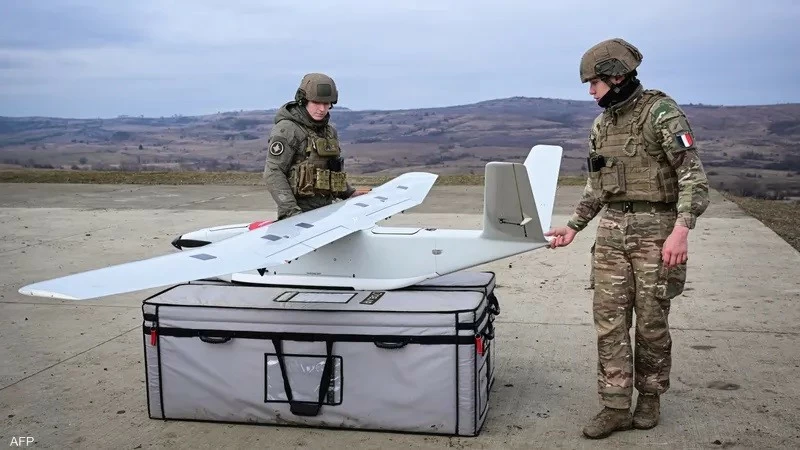
أصبح الذكاء الاصطناعي اللاعب الأساسي في العملية الأمريكية على إيران، حيث تتولى أنظمة متقدمة التخطيط والتنظيم لكل ضربة تقريبًا، ما قلّص الحاجة للتدخل البشري في قرارات تحديد الأهداف.
وذهبت تقارير أمريكية إلى أن البنتاغون يعتمد على نموذج الذكاء الاصطناعي «كلود» من شركة «أنثروبيك»، ضمن نظام مطوّر بالتعاون مع شركة «بالانتير»، لتحليل كميات هائلة من المعلومات الاستخباراتية بسرعة فائقة، بدءًا بلقطات الطائرات المسيرة ووصولًا للاعتراضات الاستخباراتية البشرية، مع اقتراح الأولويات ونوع الأسلحة المناسبة لكل هدف.
ويتيح النظام للخبراء العسكريين والقانونيين متابعة العملية بشكل إشرافي دون المشاركة المباشرة في صنع القرار، ما يزيد من سرعة الاستجابة ويختصر سلسلة التخطيط الطويلة المعتادة.
وحذر خبراء التحليل العسكري من أن الاعتماد الكلي على الذكاء الاصطناعي قد يؤدي إلى «تفريغ معرفي»، حيث يصبح دور البشر شكليًا، ويبتعد صانع القرار عن نتائج العمليات التي تتخذها الآلة بمفردها.
وبحسب وسائل إعلام غربية، فإن العملية الأمريكية على إيران أظهرت قدرة الذكاء الاصطناعي على دمج البيانات المعقدة وتقديم توصيات دقيقة في الوقت الفعلي، ما يفتح مرحلة جديدة في الحروب الذكية، حيث تتقاطع التكنولوجيا مع الاستراتيجية العسكرية بشكل مباشر، دون أن تتكرر التفاصيل القتالية نفسها التي تنشرها وسائل الإعلام الأخرى.
Artificial intelligence has become the main player in the American operation against Iran, with advanced systems taking over the planning and organization of almost every strike, reducing the need for human intervention in target selection decisions.
American reports have indicated that the Pentagon relies on the AI model "Claude" from Anthropic, as part of a system developed in collaboration with Palantir, to analyze vast amounts of intelligence information at high speed, starting from drone footage to human intelligence interceptions, while suggesting priorities and the appropriate types of weapons for each target.
The system allows military and legal experts to oversee the operation without direct participation in decision-making, increasing response speed and shortening the usual lengthy planning chain.
Military analysis experts have warned that complete reliance on artificial intelligence could lead to "cognitive offloading," where the role of humans becomes merely formal, distancing decision-makers from the outcomes of operations undertaken solely by the machine.
According to Western media, the American operation against Iran has demonstrated the ability of artificial intelligence to integrate complex data and provide accurate real-time recommendations, opening a new phase in smart warfare, where technology intersects directly with military strategy, without repeating the same combat details published by other media outlets.