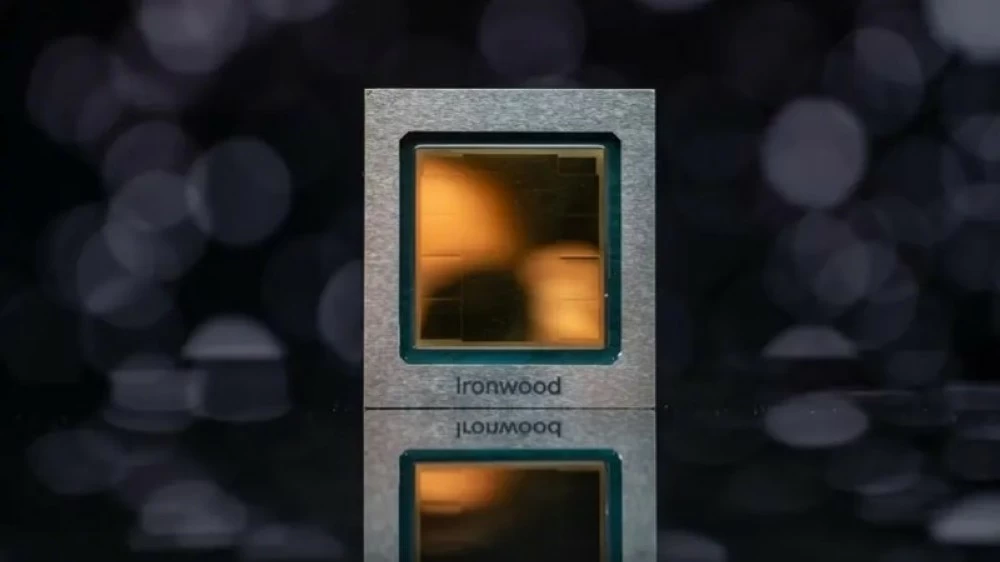
في قلب سباق الذكاء الاصطناعي، اكتشفت قوقل أن كل الخوارزميات المتقدمة والنماذج الذكية لا تساوي شيئًا بدون شريحة واحدة فقط من الذاكرة. وأدى فشل فرق المشتريات في تأمين هذه الرقائق الحيوية إلى أن يدفع الشركة لإقالة عدد من كبار التنفيذيين، في خطوة تعكس أن المعركة الحقيقية للذكاء الاصطناعي لم تعد في البرمجيات، بل في سلاسل التوريد العالمية.
ولطالما ارتبط سباق الذكاء الاصطناعي بالخوارزميات والبرمجيات المعقدة، لكن الأزمة الأخيرة تكشف أن القوة الحقيقية تبدأ من العتاد. فرق قوقل فشلت في توقيع اتفاقيات طويلة الأمد على ذاكرة النطاق الترددي العالي HBM، وهو مكوّن أساسي لتشغيل معالجات الذكاء الاصطناعي. وكانت النتيجة نقصاً عالمياً حاداً وقيادات تنفيذية مفصولة عن مناصبها.
والمشكلة ليست في المال، بل في محدودية الإنتاج: فثلاث شركات فقط عالميًا تصنع هذه الرقائق، وكل طاقاتها محجوزة مسبقًا. وحتى عمالقة التكنولوجيا الآخرين مثل مايكروسوفت وميتا وجدوا أنفسهم مضطرين للتواجد يوميًا في كوريا الجنوبية وتايوان قرب مصانع سامسونغ وSK Hynix، في محاولة للحصول على أي كمية متاحة.
والمفاوضات لم تخل من التوتر. فأحد التنفيذيين في مايكروسوفت انسحب غاضبًا بعد علمه بعدم إمكانية تلبية الطلب. وفجأة، شريحة واحدة أصبحت عنصرًا حاسمًا: فمن دونها، لا مراكز بيانات؛ ومن دون مراكز البيانات، لا مكان في سباق الذكاء الاصطناعي.
ردًا على الأزمة، بدأت الشركات الكبرى في إعادة صياغة إستراتيجياتها. ولم يعد الاكتفاء بالمكاتب الرئيسية في كاليفورنيا كافيًا، بل أصبح توظيف خبراء ميدانيين في آسيا ضرورة، لفهم هندسة الرقائق وفن التفاوض على الإمدادات قبل أن تصل المنافسة إلى طريق مسدود.
وتكمن الحقيقة اللافتة في أن حتى أعقد الذكاء الاصطناعي وأكبر الخوارزميات يمكن أن تنهار أمام جدار مادي يُسمى «نقص الرقائق». وفي عالم تتسارع فيه المنافسة، قد تغيّر شريحة واحدة فقط موازين القوة بين عمالقة التكنولوجيا.
In the heart of the artificial intelligence race, Google discovered that all advanced algorithms and smart models are worth nothing without just one chip of memory. The failure of procurement teams to secure these vital chips led the company to fire several top executives, in a move that reflects that the real battle for artificial intelligence is no longer in software, but in global supply chains.
The AI race has long been associated with complex algorithms and software, but the recent crisis reveals that true power starts with hardware. Google's teams failed to secure long-term agreements for high-bandwidth memory (HBM), a crucial component for running AI processors. The result was a severe global shortage and executive leadership being removed from their positions.
The problem is not money, but the limitation of production: only three companies globally manufacture these chips, and all their capacities are pre-booked. Even other tech giants like Microsoft and Meta found themselves needing to be present daily in South Korea and Taiwan near Samsung and SK Hynix factories, in an attempt to secure any available quantity.
The negotiations were not without tension. One Microsoft executive stormed out angrily after learning that the demand could not be met. Suddenly, one chip became a critical element: without it, there are no data centers; and without data centers, there is no place in the AI race.
In response to the crisis, major companies began to reshape their strategies. It was no longer sufficient to rely solely on headquarters in California; hiring field experts in Asia became essential to understand chip engineering and the art of negotiating supplies before competition hits a dead end.
The striking truth is that even the most complex AI and largest algorithms can collapse in front of a physical wall called "chip shortage." In a world where competition is accelerating, just one chip could change the balance of power among tech giants.