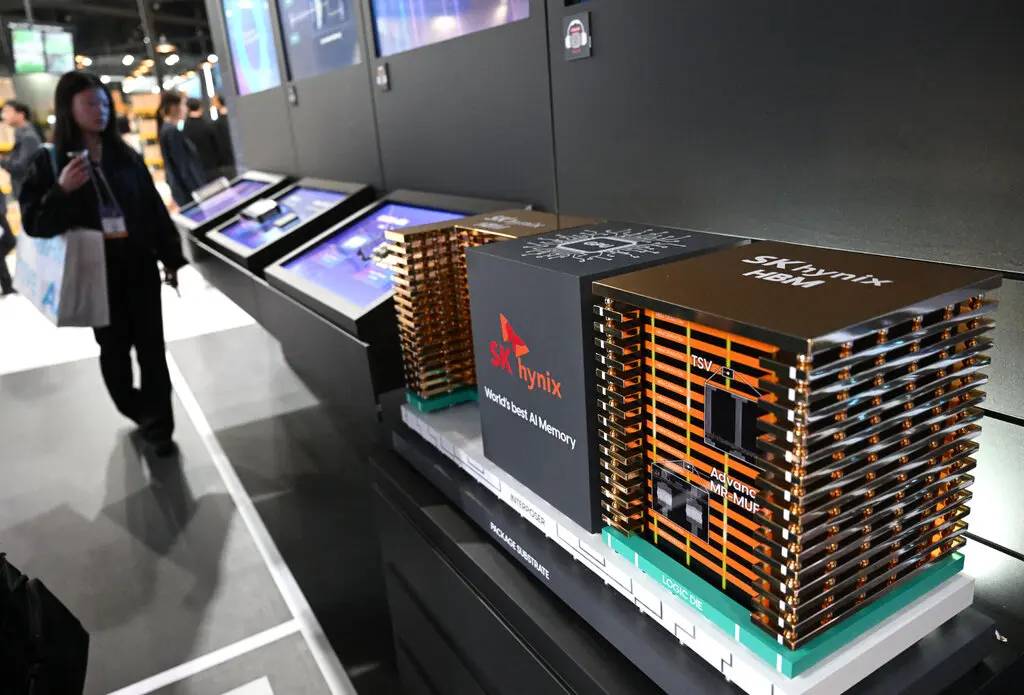
أعلنت وزارة التجارة الأمريكية، أمس (الجمعة)، قرارها إلغاء التفويضات التي كانت تسمح لشركتي سامسونغ وSK Hynix الكوريتين الجنوبيتين بشحن معدات أشباه الموصلات الأمريكية إلى مصانعها في الصين. ويفرض القرار الجديد على الشركات الحصول على تراخيص خاصة من الحكومة الأمريكية إذا كانت ترغب في استيراد المعدات اللازمة لعملياتها في الصين، ما يشكل تحدياً كبيراً لهذه الشركات ويُسهم في عزل بكين عن تقنيات أشباه الموصلات الأمريكية المتقدمة.
وكانت إدارة الرئيس الأمريكي السابق جو بايدن قد أصدرت في عام 2022 قيوداً واسعة النطاق بهدف الحد من وصول الصين إلى تقنيات أمريكية حيوية، ومع ذلك تم منح إعفاءات لشركات سامسونغ وSK Hynix في 2023. ولكن إدارة ترمب الحالية سعت إلى تغيير هذا النهج، مما يعكس تصعيداً في الصراع التكنولوجي بين الولايات المتحدة والصين.
الشركتان الكوريتان، اللتان تتصدران إنتاج شرائح الذاكرة في العالم، تعتمدان بشكل كبير على الصين لتصنيع رقائقها المتقدمة، وهو ما قد يؤثر على قدرتهما التنافسية في السوق العالمية. وبينما تواصل واشنطن حملتها للحد من تقدم الصين في مجال الذكاء الاصطناعي، ستكون هذه القيود بمثابة ضغوط إضافية على العلاقات التجارية بين الولايات المتحدة وكوريا الجنوبية.
في الوقت نفسه، يهدد الرئيس ترمب بفرض رسوم جمركية تصل إلى 100% على الرقائق الأجنبية، مما قد يعمق الأزمة في سلاسل التوريد العالمية التي تعتمد على التعاون بين شركات مثل سامسونغ وSK Hynix.
The U.S. Department of Commerce announced yesterday (Friday) its decision to revoke the authorizations that allowed the South Korean companies Samsung and SK Hynix to ship American semiconductor equipment to their factories in China. The new decision requires companies to obtain special licenses from the U.S. government if they wish to import the necessary equipment for their operations in China, which poses a significant challenge for these companies and contributes to isolating Beijing from advanced American semiconductor technologies.
The administration of former President Joe Biden had issued broad restrictions in 2022 aimed at limiting China's access to vital American technologies; however, exemptions were granted to Samsung and SK Hynix in 2023. But the current Trump administration has sought to change this approach, reflecting an escalation in the technological conflict between the United States and China.
The two Korean companies, which lead the production of memory chips in the world, rely heavily on China for manufacturing their advanced chips, which could affect their competitiveness in the global market. While Washington continues its campaign to limit China's advancements in artificial intelligence, these restrictions will serve as additional pressures on trade relations between the United States and South Korea.
At the same time, President Trump threatens to impose tariffs of up to 100% on foreign chips, which could deepen the crisis in global supply chains that depend on cooperation between companies like Samsung and SK Hynix.