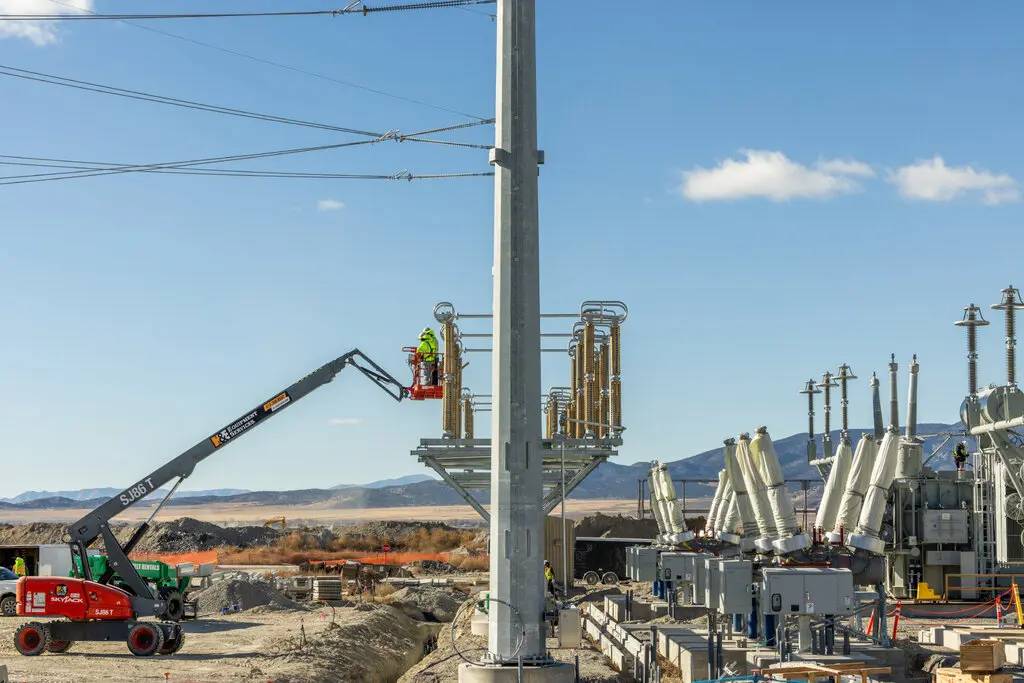
تشهد الاستثمارات في البنية التحتية للذكاء الاصطناعي طفرة غير مسبوقة، إذ تنفق الشركات التقنية وحدها نحو 375 مليار دولار عالميًا على مراكز البيانات خلال 2025، وفق تقديرات UBS، متوقعة ارتفاعها إلى 500 مليار دولار في 2026.
وبحسب تقرير نشرته واشنطن بوست فإن الإنفاق الضخم لا يقتصر على المباني، بل يشمل معدات الكمبيوتر ومصانع أشباه الموصلات وتوريدات الطاقة، ما يخلق نشاطًا اقتصاديًا واسعًا ينعش قطاعات متعددة مثل البناء والكهرباء والمواد الهندسية. وحتى شركات التمويل والاستثمار تتهافت على المشاركة في هذه «الحمّى الاستثمارية».
ويشير الخبراء إلى أن نمو مراكز البيانات يتفوق حاليًا على مشاريع بناء المكاتب التقليدية، مع توقع استمرار معدل النمو السنوي بنحو 13% حتى 2029، وسط طلب متزايد على الطاقة والموارد التقنية. ومع ذلك، هناك تحذيرات من مخاطر تضخم التكاليف، وشكوك حول مدى تحقيق الأرباح المستقبلية للذكاء الاصطناعي، خصوصًا مع استمرار عدم ربحية معظم أدواته حاليًا.
ويرى الخبراء أن الطلب على مراكز البيانات سيستمر طالما استمر التوسع الرقمي وانفجار حجم البيانات، لكن القيود المحلية على الموارد والتكاليف ستفرض تحديات على المدى الطويل.
Investment in artificial intelligence infrastructure is witnessing an unprecedented boom, with tech companies alone spending around $375 billion globally on data centers by 2025, according to UBS estimates, expecting it to rise to $500 billion in 2026.
According to a report published by The Washington Post, this massive spending is not limited to buildings, but also includes computer equipment, semiconductor factories, and energy supplies, creating broad economic activity that revitalizes multiple sectors such as construction, electricity, and engineering materials. Even financing and investment companies are rushing to participate in this "investment frenzy."
Experts indicate that the growth of data centers currently outpaces traditional office building projects, with an expected annual growth rate of about 13% until 2029, amid increasing demand for energy and technical resources. However, there are warnings about the risks of cost inflation and doubts about the future profitability of artificial intelligence, especially as most of its tools remain unprofitable at present.
Experts believe that the demand for data centers will continue as long as digital expansion and the explosion of data volume persist, but local constraints on resources and costs will pose long-term challenges.