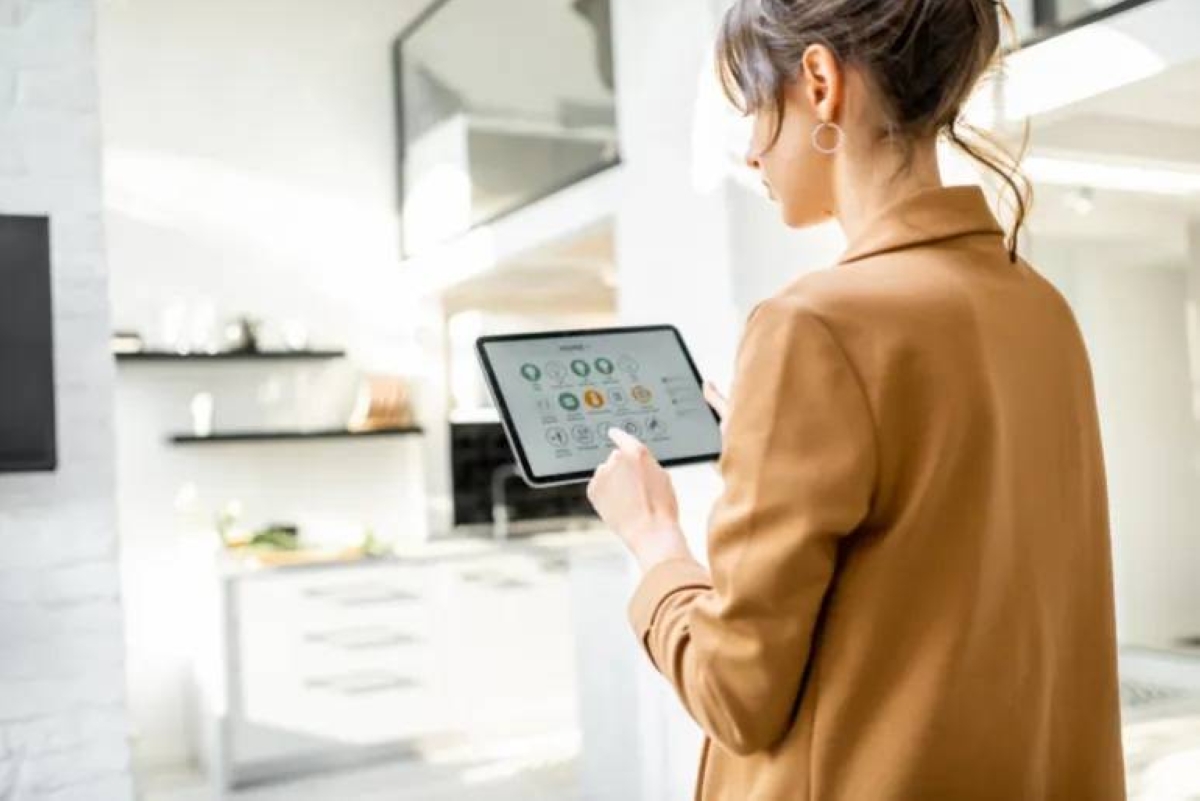
أصبحت أنظمة المنزل الذكي من أبرز التقنيات التي تشد انتباه العملاء بفضل سيناريوهات الاستخدام المختلفة التي تقدمها، مثل فتح الستائر وغلقها بناءً على حالة الطقس أو الوقت وتنظيم درجة حرارة الغرف أو حتى فتح وقفل الأبواب تلقائيًا عند اقتراب أحد أفراد الأسرة. كما يمكن أيضًا تشغيل ماكينة القهوة مع رنين المنبه في الصباح مما يجعل الحياة اليومية أكثر راحة وكفاءة.
وبحسب تقرير من هيئة اختبار السلع والمنتجات الألمانية، يمكن لأنظمة المنزل الذكي دمج أجهزة من شركات متعددة باستخدام واجهات لاسلكية، مما يجعلها مرنة ومتعددة الاستخدامات. ويُعد المحور اللاسلكي (Hub) هو قلب أي نظام ذكي، حيث يتصل به جميع الأجهزة مثل المستشعرات واللمبات والأقفال والثرموستات، ويعتبر بمثابة حلقة الوصل بين هذه الأجهزة وتطبيقات التحكم على الهواتف الذكية أو الحواسيب اللوحية.
وفي اختبار شمل 14 نظامًا لأتمتة المنازل، أظهرت النتائج أن نظام هوم أسيستانت ونظام هومي تصدرا التقييمات بفضل سهولة الاستخدام والمرونة، رغم أن بعض الأنظمة الكبيرة مثل سامسونغ سمارت ثينغز وآبل هوم تميزت في بعض الجوانب الأخرى مثل التوافق مع الأجهزة المختلفة.
ومن أبرز مميزات نظام هوم أسيستانت أنه مفتوح المصدر ويمكن تشغيله بدون الحاجة إلى الإنترنت أو خدمات الحوسبة السحابية، مما يجعله خيارًا شائعًا لأولئك الذين يهتمون بالخصوصية وحماية البيانات. ولكن مع ذلك، أظهرت بعض الأنظمة أنها غير قادرة على تلبية جميع الاحتياجات، مما يفتح الباب أمام مزيد من التطوير في هذا المجال.
إجمالًا يمكن القول إن أنظمة المنزل الذكي تبقى فرصة للعيش بأسلوب أكثر كفاءة وراحة، لكنها تظل بحاجة إلى تحسينات مستمرة لتحقيق التكامل الكامل بين جميع الأجهزة والأنظمة.
Smart home systems have become one of the most prominent technologies that attract customers' attention thanks to the various use scenarios they offer, such as opening and closing curtains based on weather conditions or time, regulating room temperatures, or even automatically locking and unlocking doors when a family member approaches. It is also possible to brew coffee with the alarm ringing in the morning, making daily life more comfortable and efficient.
According to a report from the German Goods and Products Testing Authority, smart home systems can integrate devices from multiple companies using wireless interfaces, making them flexible and versatile. The wireless hub is the heart of any smart system, connecting all devices such as sensors, bulbs, locks, and thermostats, and serves as a link between these devices and control applications on smartphones or tablets.
In a test that included 14 home automation systems, the results showed that the Home Assistant and Homey systems topped the ratings due to their ease of use and flexibility, although some larger systems like Samsung SmartThings and Apple Home excelled in other aspects such as compatibility with different devices.
One of the most notable features of the Home Assistant system is that it is open-source and can be operated without the need for the internet or cloud computing services, making it a popular choice for those concerned about privacy and data protection. However, some systems have shown that they are unable to meet all needs, opening the door for further development in this field.
Overall, it can be said that smart home systems remain an opportunity to live in a more efficient and comfortable way, but they still require continuous improvements to achieve full integration between all devices and systems.