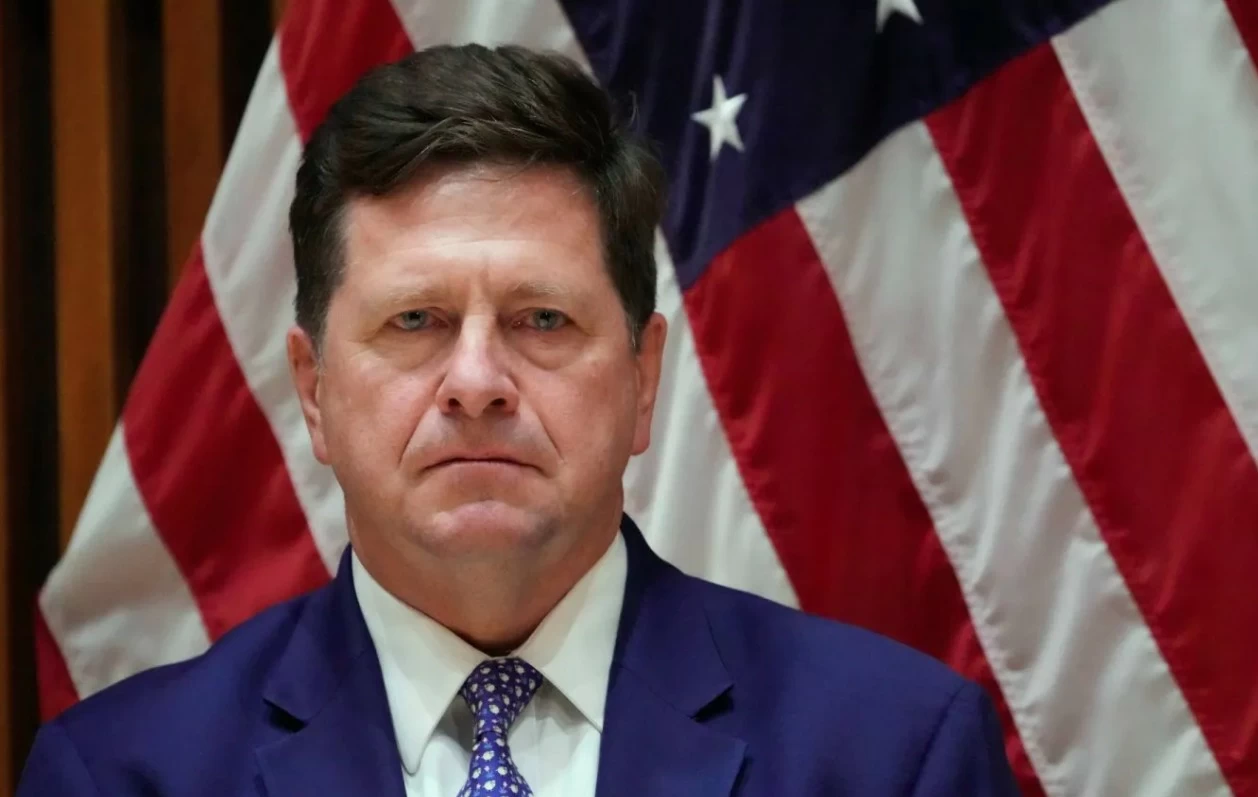
عيّن الرئيس الأمريكي دونالد ترمب مدير الاستخبارات الوطنية جاي كلايتون مسؤولاً جديداً عن ملف الذكاء الاصطناعي في إدارته، وكلفه بقيادة فريق حكومي جديد يحمل اسم «قوة الذكاء الفائق» (Super Intelligence Force)، في خطوة تعكس تنامي ارتباط تقنيات الذكاء الاصطناعي بقضايا الأمن القومي والتنافس التكنولوجي العالمي.
وأعلن ترمب، (الأحد)، أن الفريق الجديد سيتولى تنسيق جهود الحكومة الفيدرالية في هذا المجال، بهدف ضمان استمرار الولايات المتحدة في صدارة سباق تطوير تقنيات الذكاء الاصطناعي، إلى جانب حماية مصالح الأمريكيين والاستفادة من الفرص الاقتصادية والعلمية التي توفرها التكنولوجيا.
120 يوماً لتقييم المخاطر والفرص
وبحسب تقارير أمريكية، سيعمل الفريق على دراسة المخاطر والفرص المرتبطة بالتطور المتسارع للذكاء الاصطناعي، على أن يقدم خلال 120 يوماً تقريراً يتناول هذه القضايا والدور الذي ينبغي أن تؤديه الحكومة الأمريكية في التعامل معها.
وسينسق الفريق تواصل الحكومة مع شركات الذكاء الاصطناعي ومشغلي البنية التحتية والمستهلكين ومجموعات المصلحة العامة والمؤسسات الدينية وغيرها من الجهات المعنية.
ويشارك في قيادة الفريق إلى جانب كلايتون رئيس لجنة التجارة الفيدرالية أندرو فيرغسون، ومسؤول التكنولوجيا في وزارة الدفاع إميل مايكل، ومدير مكتب إدارة شؤون الموظفين سكوت كوبور، على أن يرفع الفريق تقاريره إلى ترمب ورئيسة موظفي البيت الأبيض سوزي وايلز.
الذكاء الاصطناعي.. فرصة وتهديد
ويأتي اختيار كلايتون للمنصب في وقت أصبحت فيه قدرات أنظمة الذكاء الاصطناعي المتقدمة موضع اهتمام متزايد لدى أجهزة الأمن والاستخبارات الأمريكية، خصوصاً فيما يتعلق بالأمن السيبراني وإمكانية استغلال النماذج المتطورة في اكتشاف الثغرات وتنفيذ هجمات إلكترونية.
وكان كلايتون قد وصف الذكاء الاصطناعي خلال جلسة تثبيته مديراً للاستخبارات الوطنية بأنه يمثل في الوقت نفسه «فرصة» و«تهديداً»، مشدداً على ضرورة فهم تداعيات التكنولوجيا والتعامل معها.
وتولى كلايتون منصب مدير الاستخبارات الوطنية في أغسطس الماضي، ويشرف بهذه الصفة على مجتمع الاستخبارات الأمريكي ويعمل مستشاراً رئيسياً للرئيس في شؤون الاستخبارات.
سباق أمريكي على «الذكاء الفائق»
وتأتي الخطوة ضمن توجه أوسع لإدارة ترمب لتسريع تطوير التكنولوجيا الأمريكية والحفاظ على تفوق الولايات المتحدة في المنافسة العالمية، خصوصاً أمام الصين.
وكان ترمب قد أصدر في سبتمبر أمراً تنفيذياً يوجه أجهزة السلطة التنفيذية إلى استخدام مصطلح «الذكاء الفائق» (Super Intelligence) بدلاً من «الذكاء الاصطناعي» في المراسلات والوثائق والسياسات الحكومية غير التشريعية، معتبراً أن المصطلح الجديد يعكس بصورة أفضل القدرات المتسارعة لهذه التقنيات.
وجاء تشكيل الفريق الجديد بعد اجتماع استضافه البيت الأبيض الأسبوع الماضي لقيادات بارزة في صناعة الذكاء الاصطناعي، انتهى بالتزام طوعي من الشركات باتخاذ إجراءات للرقابة على أنظمتها والتعامل مع قضايا السلامة، في وقت تزداد فيه الدعوات داخل الولايات المتحدة إلى إيجاد توازن بين تسريع الابتكار ومواجهة المخاطر المحتملة للتكنولوجيا.
U.S. President Donald Trump appointed National Intelligence Director Jay Clayton as the new head of the artificial intelligence file in his administration, assigning him to lead a new government team named the "Super Intelligence Force," in a move that reflects the growing connection between artificial intelligence technologies and national security issues as well as global technological competition.
Trump announced on (Sunday) that the new team will coordinate federal government efforts in this area, aiming to ensure that the United States remains at the forefront of the race to develop artificial intelligence technologies, while also protecting American interests and capitalizing on the economic and scientific opportunities that the technology provides.
120 Days to Assess Risks and Opportunities
According to American reports, the team will work on studying the risks and opportunities associated with the rapid development of artificial intelligence, and will present a report within 120 days addressing these issues and the role the U.S. government should play in dealing with them.
The team will coordinate the government's communication with artificial intelligence companies, infrastructure operators, consumers, public interest groups, religious institutions, and other stakeholders.
Alongside Clayton, the team will be co-led by Federal Trade Commission Chairman Andrew Ferguson, Chief Technology Officer at the Department of Defense Emil Michael, and Director of the Office of Personnel Management Scott Cooper, with the team reporting to Trump and White House Chief of Staff Suzy Wiles.
Artificial Intelligence: Opportunity and Threat
Clayton's selection for the position comes at a time when the capabilities of advanced artificial intelligence systems have become a growing concern for U.S. security and intelligence agencies, particularly regarding cybersecurity and the potential exploitation of advanced models to discover vulnerabilities and execute cyberattacks.
Clayton had described artificial intelligence during his confirmation session as National Intelligence Director as simultaneously representing an "opportunity" and a "threat," emphasizing the need to understand the implications of the technology and to address them.
Clayton assumed the role of National Intelligence Director last August, overseeing the U.S. intelligence community and serving as a principal advisor to the president on intelligence matters.
American Race for "Super Intelligence"
This step is part of a broader trend by the Trump administration to accelerate the development of American technology and maintain the United States' superiority in global competition, particularly against China.
Trump had issued an executive order in September directing executive branch agencies to use the term "Super Intelligence" instead of "artificial intelligence" in correspondence, documents, and non-legislative government policies, considering that the new term better reflects the accelerating capabilities of these technologies.
The formation of the new team followed a meeting hosted by the White House last week with prominent leaders in the artificial intelligence industry, which concluded with a voluntary commitment from companies to take action to oversee their systems and address safety issues, at a time when calls within the United States are increasing to find a balance between accelerating innovation and addressing the potential risks of technology.