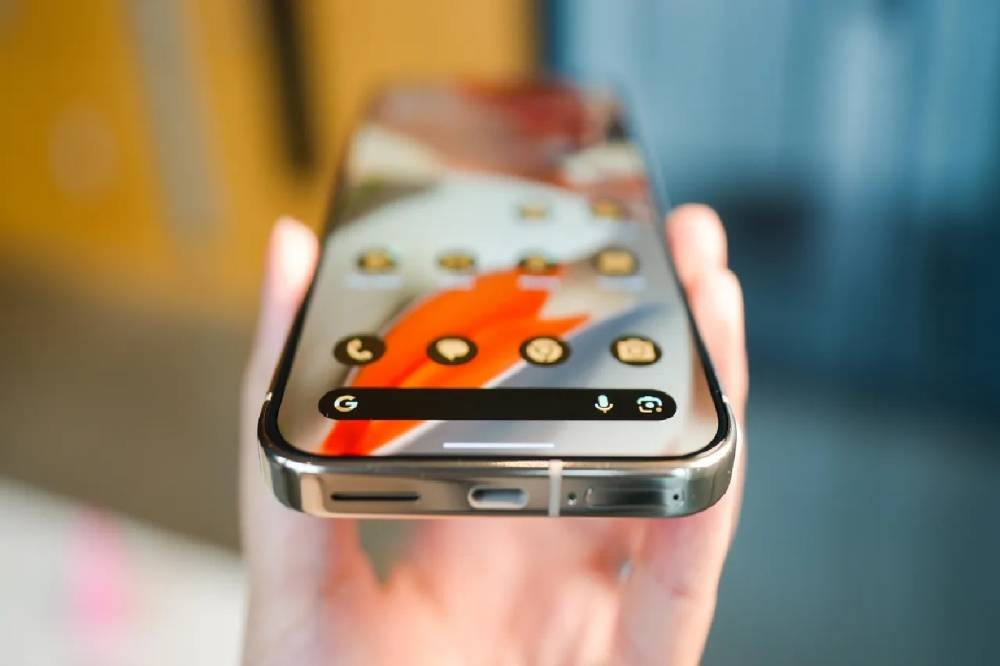
قدمت Apple ميزات جديدة وملفتة للنظر في نظام iOS 26 القادم، لكن مستخدمي Android سيتعرفون عليها فورًا. إليكم المقارنة. لقد شهد مؤتمر أبل السنوي للمطورين WWDC أول إعادة تصميم رئيسية لنظام iOS منذ عام 2013، مع عروض تجريبية مبهرة لتصميم Liquid Glass في iOS 26 وميزاته المدعومة بالذكاء الاصطناعي. أحيانًا، تستغرق أبل وقتًا في إضافة ميزات جديدة إلى أجهزتها، ولكن عندما تفعل، غالبًا ما تكون هذه إعادة تصميم مدروسة بعناية لموضوع مألوف. دعونا نلقي نظرة على بعض الطرق التي تتفوق بها Apple، وكيف تتفوق على نظيرتها التي تعمل بنظام Android.
1- فحص المكالمات والمساعدة في الانتظار
تُجيب ميزة «فحص المكالمات» الجديدة من Apple تلقائيًا على الأرقام المجهولة في الخلفية، وتُحوِّل ردود المتصلين إلى نصّ فوري. يرصد مساعد الانتظار موسيقى الانتظار، أثناء المكالمة ويكتم صوتها، ويُنبِّهك عند عودة أحد الموظفين.
إنها ميزة أنيقة، لكن أندرويد أتقنها منذ عام 2018. تتميز حزمة مساعد الاتصال من قوقل بميزة «شاشة الاتصال»، التي ظهرت لأول مرة على هاتف Pixel 3. وتعمل هذه الميزة على تصفية المكالمات المزعجة قبل رنينها، وتوفر نصوصًا فورية. أما ميزة «انتظرني» فقد ظهرت عام 2020، باستخدام تقنية Duplex AI للانتظار بصمت أثناء الانتظار. أما إصدار Apple فيضيف ميزة كشف صوتي دقيق، لكن الفكرة الأساسية المتمثلة في استعادة الوقت من المسوقين عبر الهاتف هي ميزة أساسية معروفة في هواتف Pixel.
2- اكتشاف البريد العشوائي
يُوجِّه نظام iOS 26 الرسائل المشبوهة إلى مجلد «المرسلين المجهولين» المخصص، مما يجعلها خارج موجز الأخبار الرئيسي. تبقى هذه الرسائل صامتة ولن تظهر كإشعارات إلا بعد الحصول على الموافقة الصريحة.
لكن تطبيق رسائل جوجل قدّم ميزة تصفية الرسائل المزعجة على الجهاز بحلول عام 2018. وتخطت قوقل خطوةً أخرى بتحذير المكالمات المزعجة وتصفيتها تلقائيًا داخل تطبيق الهاتف. ولم نتطرق بعد إلى أحدث إضافة من جوجل لخاصية الكشف الفوري عن الاحتيال أثناء المكالمات الهاتفية باستخدام الذكاء الاصطناعي على الجهاز، والتي تبدو وكأنها سحرٌ خالص. يُعدّ تطبيق آبل لهذه الميزة بدايةً رائعة، لكنها ليست بنفس كفاءة الأداة التي طوّرها أندرويد لما يقرب من عقد من الزمن.
3- الترجمة المباشرة
تُحوّل ميزة الترجمة المباشرة في نظام iOS 26 الكلام والنص فورًا عبر الرسائل وFaceTime والمكالمات. حتى أن سماعات AirPods تُترجم بصوت عالٍ أثناء المحادثة. إنها سلسة ومفيدة للغاية في المواقف المناسبة. ويُقدّم أندرويد هذه الميزة منذ عام 2021، عندما طُرحت خدمة الترجمة المباشرة من جوجل على هاتف Pixel 6، مع إمكانية الترجمة دون اتصال بالإنترنت لأكثر من 20 لغة. ثم تلا ذلك دمج سماعات Pixel Buds، مما أتاح للمستخدمين سماع الترجمات مباشرةً عبر سماعات الأذن. وبالعودة إلى عام 2017، قدّمت قوقل هذه الميزة مع الجيل الأول من سماعات Pixel Buds، مستفيدةً من مساعد قوقل للترجمة الفورية. وتُعد ميزة الترجمة المباشرة من Apple أنيقة ومهمة، ولكن التقنية الأساسية تعكس ما يتفوق فيه Android منذ سنوات.
4- الذكاء البصري
يمتد الآن الذكاء البصري من آبل ليشمل محتوى الشاشة، مما يُمكّن المستخدمين من تحديد العناصر في لقطات الشاشة أو رسمها للبحث عبر التطبيقات. باستخدامه، يُمكن للمستخدمين القيام بأشياء مثل تحديد سترة في منشور على مواقع التواصل الاجتماعي أو مزهرية فريدة في صورة.
إذا بدا هذا مألوفًا لك، فربما سمعتَ عن ميزة البحث الدائرية الرائعة في أندرويد، وهي إحدى ميزات أندرويد. وأُطلقت هذه الميزة لأول مرة في يناير 2024، حيث تتيح للمستخدمين تحديد عنصر على الشاشة أو تحديده أو النقر عليه ببساطة لبدء بحث بصري. وتعمل هذه الميزة في جميع التطبيقات، وعلى عكس تطبيق أبل، لا تُكثر من لقطات الشاشة في ألبوم الصور.
5- Genmoji وملعب الصور
يتيح تطبيق Genmoji للمستخدمين دمج رمزين تعبيريين معًا في صورة يتم إنشاؤها ديناميكيًا إلى جانب مطالبات نصية لإنشاء ملصقات مخصصة. لكن منذ عام 2020، قدّمت أجهزة أندرويد مزيجًا من الرموز التعبيرية، مع تطبيق Emoji Kitchen من Gboard الذي يُقدّم مجموعات مُصمّمة مسبقًا لتطبيقات المراسلة. ويفتقر إصدار أندرويد إلى ميزة التوليد الفوري، ولكنه لا يزال يضم أكثر من 100 ألف مجموعة. كما وفّر Gboard ميزة إنشاء الملصقات باستخدام الذكاء الاصطناعي في Pixel Studio منذ عام 2024. مع أن التخصيص المُعتمد على الذكاء الاصطناعي من Apple أكثر مرونة، إلا أن الفكرة الأساسية لإعادة مزج الرموز التعبيرية للمراسلة ليست جديدة.
شيء آخر: الزجاج السائل
لعلّ أبرز ما قدّمته أبل كان الكشف عن تقنية Liquid Glass، وهي لغة تصميم تجمع بين الطابع المستقبلي والطابع المألوف. ورغم أن أيقونات iOS 26 الشفافة وطبقاتها الشبيهة بالزجاج مصقولة بشكل مثير للإعجاب، إلا أن ذلك لم يمنع مُحبي أندرويد من استخلاص تشابهات مع حزم الأيقونات من عصر أندرويد في أوائل العقد الأول من القرن الحادي والعشرين. فقد قدّمت مُشغّلات الطرف الثالث، مثل GO Launcher وADW، حزم أيقونات وسمات تُشبه إلى حد كبير التصميم الجمالي الذي تسعى أبل إلى تحقيقه هذه المرة، حتى وإن كانت محاولة آبل مُتقدّمة للغاية في التنفيذ والصقل.
عموما، تتشابه فلسفة Liquid Glass كثيرًا مع تصميم المواد من Google، الذي يسعى إلى توحيد واجهاته الرقمية بمحاكاة عناصر العالم الحقيقي. وتسعى Apple جاهدةً لجعل أي شيء «رقمي بحت يبدو طبيعيًا وحيويًا» من خلال الاستفادة من خصائص VisionOS المادية، مع أيقونات تتغير سياقيًا على جميع الأسطح.
وركزت قوقل على الأسطح اللمسية والتصميمات التكيفية منذ إطلاق تصميم المواد لأول مرة عام 2014. ويعزز تحديث رئيسي يُسمى Material 3 Expressive، والذي سيُطلق مع نظام أندرويد 16 في وقت لاحق من هذا العام، هذه الروح من خلال دمج واجهات جريئة ومخصصة مع حركة مستوحاة من الفيزياء والمواد الواقعية. يهدف كلا التحديثين إلى إضفاء طابع إنساني على الواجهات مع اتباع مسار مختلف للوصول إلى ذلك.
العديد من ابتكارات Apple في مؤتمر WWDC هذا العام هي من أساسيات نظام Android، مع إعادة صياغة لمساتها الفنية، لكن المنافسة تشتد. مع إطلاق Liquid Glass في نظام iOS 26 وMaterial 3 Expressive في نظام Android 16 بفارق أشهر، إذ تسعى المنصتان إلى تحقيق هدفين متشابهين: واجهات مستخدم حيوية.
Apple has introduced new and eye-catching features in the upcoming iOS 26, but Android users will recognize them immediately. Here’s the comparison. The annual Apple Worldwide Developers Conference (WWDC) witnessed the first major redesign of iOS since 2013, showcasing stunning previews of the Liquid Glass design in iOS 26 and its AI-powered features. Sometimes, Apple takes its time adding new features to its devices, but when it does, it often results in a carefully considered redesign of a familiar theme. Let’s take a look at some ways Apple excels and how it surpasses its Android counterpart.
1- Call Screening and Hold Assistance
Apple's new "Call Screening" feature automatically answers unknown numbers in the background and converts caller responses into instant text. The hold assistant mutes hold music during the call and notifies you when a representative returns.
It’s a sleek feature, but Android has mastered it since 2018. Google’s Call Screen package features a "Call Screening" option that first appeared on the Pixel 3. This feature filters spam calls before they ring and provides instant transcripts. The "Hold for Me" feature emerged in 2020, using Duplex AI technology to wait silently on hold. Apple’s version adds precise voice detection, but the core idea of reclaiming time from telemarketers is a well-known feature on Pixel phones.
2- Spam Detection
iOS 26 directs suspicious messages to a dedicated "Unknown Senders" folder, keeping them out of the main news feed. These messages remain silent and will not appear as notifications until explicit approval is obtained.
However, Google’s Messages app introduced spam message filtering on-device by 2018. Google took it a step further by warning about spam calls and automatically filtering them within the phone app. We haven't even touched on Google's latest addition of real-time fraud detection during phone calls using on-device AI, which seems like pure magic. Apple’s take on this feature is a great start, but it doesn’t match the efficiency of the tool that Android has developed for nearly a decade.
3- Live Translation
The live translation feature in iOS 26 instantly translates speech and text across messages, FaceTime, and calls. Even AirPods translate aloud during conversations. It’s seamless and incredibly useful in the right situations. Android has offered this feature since 2021, when Google’s live translation service launched on the Pixel 6, with offline translation capabilities for over 20 languages. This was followed by the integration of Pixel Buds, allowing users to hear translations directly through their earbuds. Back in 2017, Google introduced this feature with the first generation of Pixel Buds, leveraging Google Assistant for instant translation. Apple’s live translation feature is sleek and important, but the underlying technology reflects what Android has excelled at for years.
4- Visual Intelligence
Apple's visual intelligence now extends to screen content, enabling users to identify elements in screenshots or draw them for search across apps. With it, users can do things like identify a jacket in a social media post or a unique vase in a picture.
If this sounds familiar, you may have heard of Android's fantastic "Google Lens" feature, which is one of Android's standout features. This feature was first launched in January 2024, allowing users to select an item on the screen or simply tap it to initiate a visual search. This feature works across all apps, and unlike Apple’s app, it doesn’t clutter your photo album with screenshots.
5- Genmoji and Image Playground
The Genmoji app allows users to combine emojis into a dynamically created image alongside text prompts to create custom stickers. However, since 2020, Android devices have offered a mix of emojis, with Gboard's Emoji Kitchen providing pre-designed combinations for messaging apps. The Android version lacks the instant generation feature but still includes over 100,000 combinations. Gboard also introduced sticker creation using AI in Pixel Studio since 2024. While Apple’s AI-driven customization is more flexible, the core idea of remixing emojis for messaging is not new.
One more thing: Liquid Glass
Perhaps the most notable thing Apple introduced was the unveiling of Liquid Glass technology, a design language that blends futuristic aesthetics with familiar elements. While the transparent icons and glass-like layers of iOS 26 are impressively polished, this hasn’t stopped Android enthusiasts from drawing similarities to icon packs from the early 2010s Android era. Third-party launchers like GO Launcher and ADW offered icon packs and themes that closely resemble the aesthetic Apple is aiming for this time, even if Apple’s attempt is far more advanced in execution and refinement.
Overall, the philosophy of Liquid Glass closely resembles Google’s Material Design, which aims to unify digital interfaces by mimicking elements of the real world. Apple strives to make anything "purely digital look natural and alive" by leveraging the physical properties of VisionOS, with contextually changing icons across surfaces.
Google has focused on tactile surfaces and adaptive designs since the first launch of Material Design in 2014. A major update called Material 3 Expressive, which will launch with Android 16 later this year, enhances this spirit by integrating bold, customized interfaces with physics-inspired motion and real-world materials. Both updates aim to humanize interfaces while taking different paths to achieve that.
Many of Apple’s innovations at this year’s WWDC are staples of the Android system, with a reimagining of their artistic touches, but the competition is heating up. With the launch of Liquid Glass in iOS 26 and Material 3 Expressive in Android 16 just months apart, both platforms are striving to achieve similar goals: vibrant user interfaces.