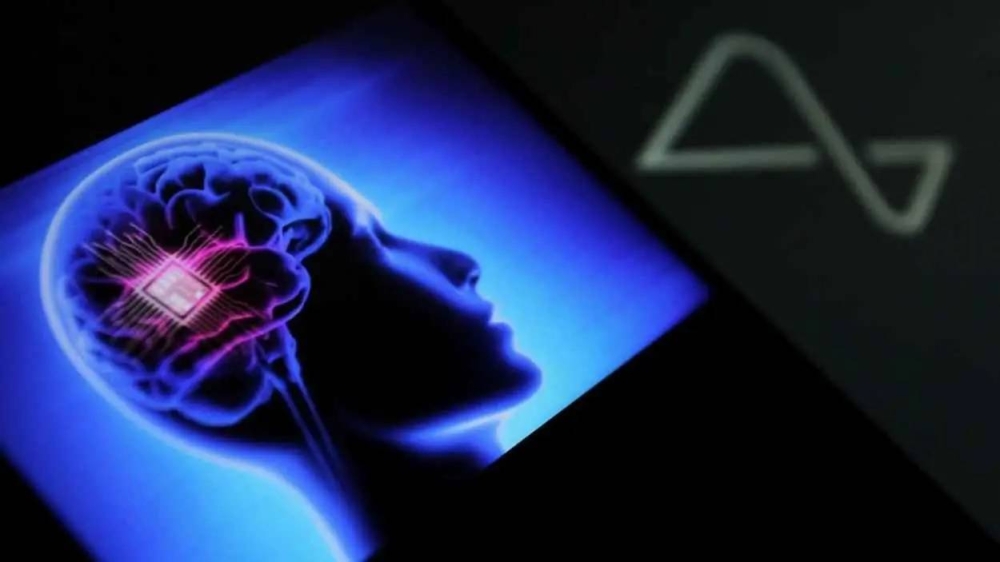
في تطور نوعي بمجال تقنيات الأعصاب، طوّر باحثون من المعهد الفيدرالي السويسري للتكنولوجيا في لوزان (EPFL) واجهة دماغية حاسوبية مصغّرة قادرة على تحويل الأفكار إلى نصوص بدقة تفوق 90%.
وبحسب تقرير نشره موقع «برايتر سايد»، يُعرف هذا الابتكار باسم «الواجهة الدماغية الآلية المصغّرة» (MiBMI)، ويُعدّ خطوة مهمة نحو تطوير أدوات تواصل قابلة للزرع بالكامل وتستهلك طاقة منخفضة، يمكن أن تتيح لذوي الشلل أو اضطرابات النطق وسيلة فعالة للتواصل.
وعلى عكس الأنظمة التقليدية التي تعتمد على أجهزة خارجية كبيرة الحجم وعالية الاستهلاك للطاقة، تدمج «الواجهة الدماغية الآلية المصغّرة» جميع مكوناتها الأساسية على شريحتين من السيليكون بمساحة إجمالية لا تتجاوز 2.46 ملليمتر مربع، أي أصغر من ظفر الإصبع.
هذا التصغير الفائق يتيح زراعة النظام داخل الجسم بالكامل دون الحاجة إلى تجهيزات خارجية، ما يحسّن بشكل كبير من راحة المستخدم، وسهولة الاستخدام.
وتعتمد «الواجهة الدماغية الآلية المصغّرة» على التقاط الإشارات العصبية المرتبطة بالتفكير في الكتابة اليدوية، إذ تسجل الأقطاب المزروعة داخل الدماغ أنماط النشاط العصبي الناتجة عن «الكتابة المتخيلة»، ثم تُحلل هذه الإشارات وتُحوّل في الوقت الفعلي إلى نص يُعرض على الشاشة.
وتظهر الاختبارات أن الشريحة قادرة على ترجمة ما يصل إلى 31 حرفاً بدقة تصل إلى 91%، متفوقة بذلك على الأنظمة السابقة.
وقال الباحث الرئيسي محمد علي شائري: «نعتقد أن بإمكاننا فك شيفرة ما يصل إلى 100 حرف مستقبلاً، لكننا بحاجة إلى قاعدة بيانات أكبر للكتابة اليدوية لتحقيق ذلك».
وتعتمد التقنية على ما يُعرف بـ«الرموز العصبية المميزة» (DNCs)، وهي إشارات مبسطة تُستخدم لتقليل تعقيد عملية التشفير وفك الشيفرة، ما يسمح بسرعة وكفاءة في تحويل الأفكار إلى نصوص مكتوبة.
واحدة من أبرز مزايا «الواجهة الدماغية الآلية المصغّرة» هي كفاءتها الطاقية، إذ لا تستهلك المنظومة بأكملها أكثر من مللي واط واحد، ما يجعلها مناسبة للعمل بشكل دائم داخل الجسم.
وتُعد هذه قفزة كبيرة مقارنة بالنماذج السابقة التي كانت تتطلب حواسيب خارجية وشحناً متكرراً، ما حدّ من جدواها السريرية.
وقالت مديرة مختبر التقنيات العصبية المتكاملة في المعهد مها شعيران: «الواجهة الدماغية الآلية المصغّرة تتيح لنا تحويل النشاط العصبي المعقد إلى نصوص قابلة للقراءة بدقة عالية واستهلاك منخفض للطاقة، هذا التطور يقرّبنا من حلول عملية تعيد التواصل للأشخاص المصابين بإعاقات حركية شديدة».
وتستخدم شريحة «الواجهة الدماغية الآلية المصغّرة» نوعاً مبسطاً من تقنيات تعلم الآلة يُعرف بـ«تحليل التمييز الخطي» (LDA)، ما يتيح تقليل استهلاك الذاكرة بمقدار 100 مرة وتقليل تعقيد العمليات الحسابية بنحو 320 مرة مقارنة بالنماذج التقليدية.
هذه البنية تسمح بفك الشيفرة لحظياً مع تأخير شبه معدوم، وهي ميزة ضرورية للتفاعل الطبيعي والفعّال.
ويتجاوز استخدام النظام مجرد التعرف على الكتابة، إذ يستكشف الباحثون حالياً قدراته على فك شيفرة الإشارات العصبية المرتبطة بالكلام، والتحكم بالحركات الدقيقة.
وفي تجارب على الحيوانات، تُمكّن «الواجهة الدماغية الآلية المصغّرة» من تمييز الاستجابات السمعية في أدمغة الفئران بدقة بلغت 87%، ما يفتح الباب أمام استخدامات أوسع في علم الأعصاب.
In a qualitative development in the field of neural technologies, researchers from the Swiss Federal Institute of Technology in Lausanne (EPFL) have developed a miniaturized brain-computer interface capable of converting thoughts into text with an accuracy exceeding 90%.
According to a report published by the website "Brighter Side," this innovation is known as the "miniaturized brain-machine interface" (MiBMI), and it represents an important step towards developing fully implantable communication tools that consume low power, which could provide an effective means of communication for individuals with paralysis or speech disorders.
Unlike traditional systems that rely on large external devices with high power consumption, the "miniaturized brain-machine interface" integrates all its essential components onto two silicon chips with a total area of no more than 2.46 square millimeters, which is smaller than a fingernail.
This extreme miniaturization allows the system to be implanted entirely within the body without the need for external equipment, significantly improving user comfort and ease of use.
The "miniaturized brain-machine interface" relies on capturing neural signals associated with the thought of handwriting, as implanted electrodes within the brain record patterns of neural activity resulting from "imagined writing," which are then analyzed and converted in real-time into text displayed on a screen.
Tests show that the chip can translate up to 31 characters with an accuracy of 91%, surpassing previous systems.
Lead researcher Mohamed Ali Shaeri stated, "We believe we can decode up to 100 characters in the future, but we need a larger database of handwriting to achieve that."
The technology is based on what is known as "distinctive neural codes" (DNCs), which are simplified signals used to reduce the complexity of the encoding and decoding process, allowing for speed and efficiency in converting thoughts into written text.
One of the most notable advantages of the "miniaturized brain-machine interface" is its energy efficiency, as the entire system consumes no more than one milliwatt, making it suitable for continuous operation within the body.
This represents a significant leap compared to previous models that required external computers and frequent recharging, which limited their clinical viability.
Director of the Integrated Neural Technologies Laboratory at the institute, Maha Shairan, said, "The miniaturized brain-machine interface allows us to convert complex neural activity into highly readable text with low energy consumption; this development brings us closer to practical solutions that restore communication for individuals with severe motor disabilities."
The "miniaturized brain-machine interface" chip uses a simplified type of machine learning techniques known as "linear discriminant analysis" (LDA), which allows for a 100-fold reduction in memory consumption and about a 320-fold reduction in computational complexity compared to traditional models.
This architecture allows for instantaneous decoding with virtually no delay, which is a necessary feature for natural and effective interaction.
The system's use goes beyond mere handwriting recognition, as researchers are currently exploring its capabilities to decode neural signals associated with speech and control fine movements.
In animal experiments, the "miniaturized brain-machine interface" enables the distinction of auditory responses in the brains of mice with an accuracy of 87%, opening the door to broader applications in neuroscience.