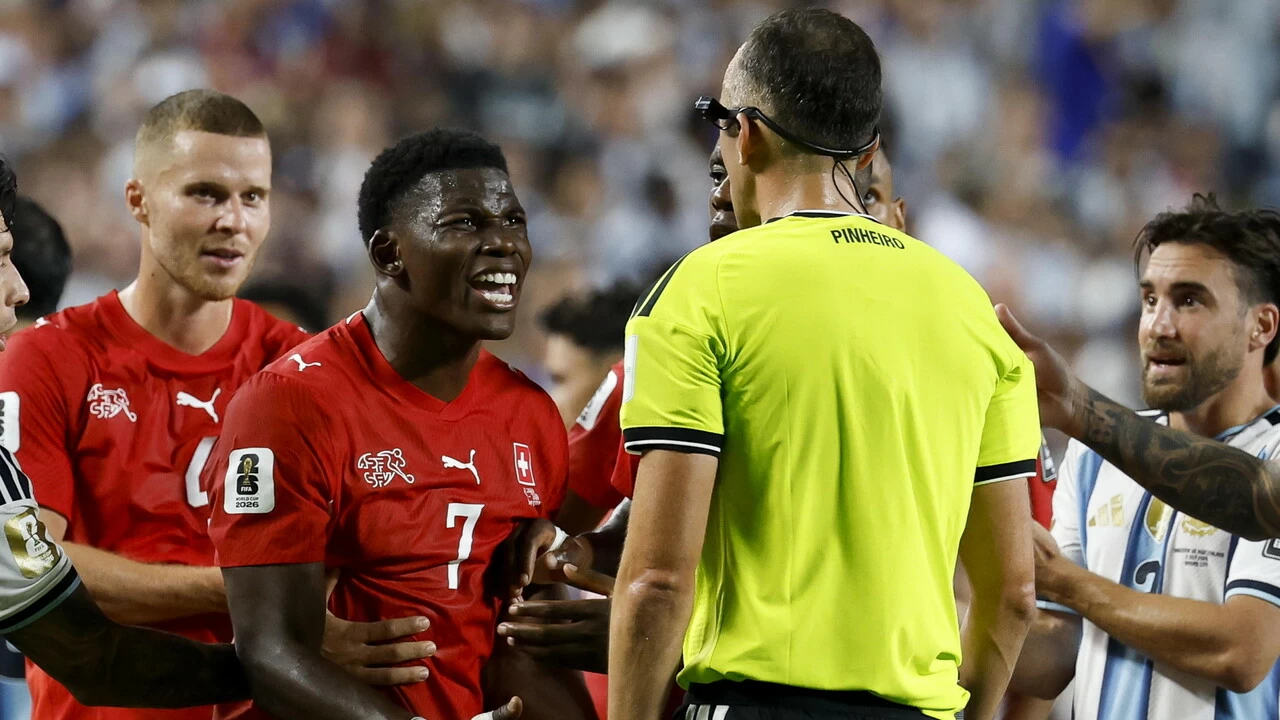
في اعتراف أثار جدلاً واسعاً، أكد مجلس الاتحاد الدولي لكرة القدم «إيفاب»، الجهة المسؤولة عن وضع وتفسير قوانين اللعبة، أن قرار طرد مهاجم منتخب سويسرا بريل إمبولو خلال مواجهة الأرجنتين في الدور ربع النهائي من كأس العالم 2026 لم يكن ينبغي اتخاذه بهذه الطريقة.
وأوضح إيفاب في تحديث لإرشاداته الخاصة بالحكام أن حالة إمبولو لا تستوجب إشهار البطاقة الحمراء، بعدما حصل اللاعب السويسري على بطاقة صفراء ثانية عقب تدخل تقنية حكم الفيديو المساعد «فار»، في لقطة اعتُبرت نقطة تحول حاسمة في المباراة.
وجاءت الواقعة في الدقيقة 72، بعد دقائق قليلة من نجاح سويسرا في تعديل النتيجة إلى 1-1، عندما سقط إمبولو داخل منطقة اللعب إثر احتكاك مع لاعب وسط الأرجنتين لياندرو باريديس. وأشهر الحكم بطاقة صفراء بحق باريديس في البداية، قبل أن يتدخل حكام الفيديو ويبلغوا الحكم بأن اللاعب الأرجنتيني لم يرتكب مخالفة.
وبناء على مراجعة «فار»، تم تحويل البطاقة الصفراء إلى إمبولو بداعي ادعاء التعرض للخطأ، لتكون البطاقة الثانية للمهاجم السويسري، ما أدى إلى طرده من المباراة.
واستفادت الأرجنتين من النقص العددي لمنافسها، بعدما حسمت اللقاء بنتيجة 3-1 بعد اللجوء إلى الأشواط الإضافية، في قرار تحكيمي تسبب في موجة انتقادات واسعة، كان من بينها اعتراضات من منتخب مصر، إذ رأى أن بعض القرارات التحكيمية خلال البطولة صبت في مصلحة منتخب ليونيل ميسي.
وأكد إيفاب أن استخدام بروتوكول تقنية الفيديو الخاص بـ«الهوية الخاطئة» لم يكن مناسباً في هذه الواقعة، موضحاً أن هذا الإجراء لا ينطبق على مثل هذه الحالات في كأس العالم 2026، رغم إمكانية تطبيقه مستقبلاً بعد انتهاء مراجعة البروتوكول.
وقال المجلس في بيانه: «لا يجوز استخدام هذا الإجراء بهذه الطريقة إلى أن تكتمل مراجعة البروتوكول».
وأوضح إيفاب أن قاعدة «الهوية الخاطئة» وضعت أساساً لتصحيح الحالات التي يمنح فيها الحكم بطاقة للاعب غير اللاعب الذي ارتكب المخالفة، لكنها لا تسمح بمراجعة أصل المخالفة نفسها أو تغيير التقدير التحكيمي بشأن حدوثها من عدمه.
وأضاف المجلس أن مراجعة بروتوكول تقنية الفيديو مستمرة منذ شهر مارس الماضي، مشيراً إلى أن وقائع مشابهة لحادثة إمبولو أصبحت جزءاً من عملية التقييم الجارية.
من جانبه، كان مدرب منتخب سويسرا مراد ياكين قد انتقد القرار عقب المباراة، قائلاً إن الحكم اتخذ قراراً خاطئاً، وإن تفسير القانون بهذه الطريقة «دمر المباراة»، مؤكداً أن الخروج من البطولة بهذه الصورة كان مؤلماً للغاية.
وأشار إيفاب، الذي يتخذ من مدينة زيورخ السويسرية مقراً له، إلى أن استخدام بند «الهوية الخاطئة» في التعامل مع حالات ادعاء التعرض للمخالفة خلال كأس العالم 2026 حظي بتأييد، لكنه شدد في الوقت نفسه على ضرورة انتظار اكتمال المراجعة قبل اعتماده بهذا الشكل.
ويضم مجلس الاتحاد الدولي لكرة القدم مسؤولين يتم تعيينهم من قبل الاتحاد الدولي «فيفا»، إلى جانب ممثلين عن اتحادات إنجلترا واسكتلندا وويلز وأيرلندا الشمالية، ويعقد اجتماعه السنوي عادة خلال شهري فبراير أو مارس لتحديث قوانين كرة القدم، على أن تدخل التعديلات حيز التنفيذ في البطولات الكبرى أو مع بداية الموسم التالي.
In a controversial admission, the International Football Association Board (IFAB), the body responsible for setting and interpreting the laws of the game, confirmed that the decision to send off Switzerland's striker Breel Embolo during the quarter-final match against Argentina in the 2026 World Cup should not have been made in that manner.
IFAB clarified in an update to its guidelines for referees that Embolo's case did not warrant a red card, after the Swiss player received a second yellow card following a review by the Video Assistant Referee (VAR), in a moment considered a turning point in the match.
The incident occurred in the 72nd minute, just minutes after Switzerland managed to equalize the score to 1-1, when Embolo fell inside the playing area following a collision with Argentina's midfielder Leandro Paredes. The referee initially showed a yellow card to Paredes, before the VAR officials informed the referee that the Argentine player had not committed a foul.
Based on the VAR review, the yellow card was switched to Embolo for allegedly claiming a foul, resulting in the Swiss striker's second yellow card, which led to his dismissal from the match.
Argentina capitalized on their opponent's numerical disadvantage, winning the match 3-1 after extra time, in a refereeing decision that sparked widespread criticism, including objections from the Egyptian national team, which felt that some refereeing decisions during the tournament favored Lionel Messi's team.
IFAB confirmed that the use of the "wrong identity" video protocol was not appropriate in this incident, explaining that this procedure does not apply to such cases in the 2026 World Cup, although it may be implemented in the future after the protocol review is completed.
The board stated in its announcement: "This procedure should not be used in this manner until the protocol review is complete."
IFAB clarified that the "wrong identity" rule was originally established to correct situations where the referee issues a card to a player other than the one who committed the foul, but it does not allow for a review of the original foul itself or a change in the referee's judgment regarding whether it occurred or not.
The board added that the review of the video protocol has been ongoing since last March, noting that incidents similar to Embolo's case have become part of the ongoing evaluation process.
For his part, Switzerland's coach Murat Yakin criticized the decision after the match, stating that the referee made an incorrect call, and that interpreting the law in this way "ruined the match," emphasizing that exiting the tournament in this manner was extremely painful.
IFAB, which is based in Zurich, Switzerland, indicated that the use of the "wrong identity" clause in handling cases of alleged fouls during the 2026 World Cup received support, but at the same time stressed the need to wait for the completion of the review before adopting it in this manner.
The International Football Association Board includes officials appointed by FIFA, along with representatives from the football associations of England, Scotland, Wales, and Northern Ireland, and typically holds its annual meeting in February or March to update the laws of football, with amendments taking effect in major tournaments or at the start of the following season.