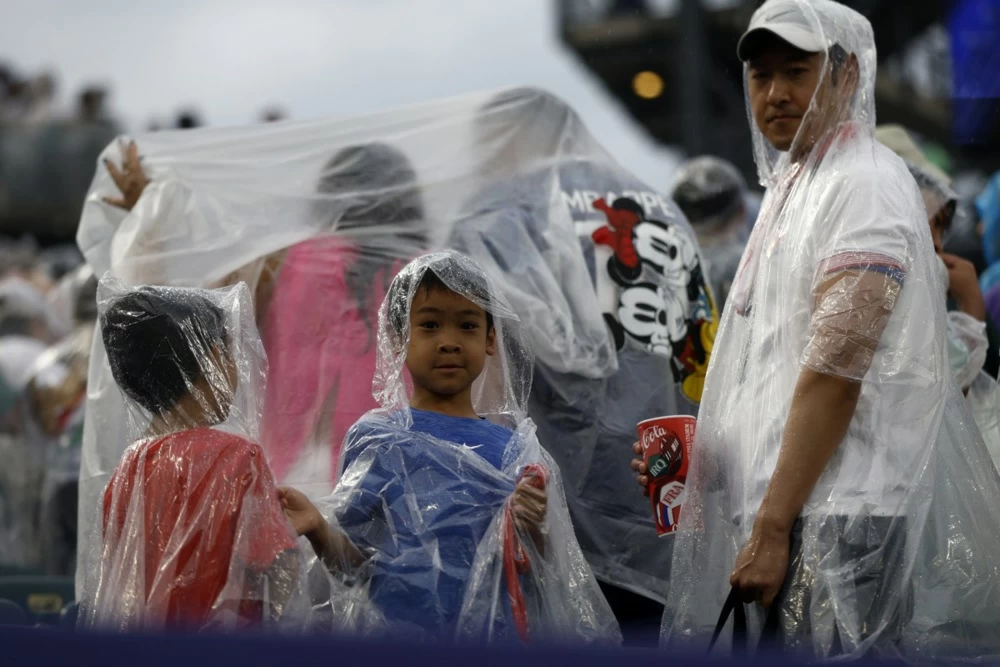
شهدت منافسات كأس العالم 2026 حدثاً استثنائياً وغير مسبوق في النسخة الحالية من البطولة، بعدما تزامن انطلاق الشوط الثاني من مباراة العراق وفرنسا مع صافرة بداية مباراة السنغال والنرويج، في مشهد نادر فرضته الظروف الجوية وسوء الأحوال المناخية التي أثرت على سير جدول المباريات.
ومع اقتراب الثالثة فجراً بتوقيت المملكة العربية السعودية، كانت أنظار الجماهير موزعة بين ملعبين مختلفين؛ إذ عاد منتخبا العراق وفرنسا لاستكمال أحداث الشوط الثاني بعد تأخير فرضته الظروف التنظيمية المرتبطة بالأحوال الجوية، بينما انطلقت في الوقت ذاته مواجهة السنغال والنرويج ضمن منافسات المجموعة نفسها.
ويُعد هذا التزامن الأول من نوعه في مونديال 2026، إذ اعتادت اللجنة المنظمة على الفصل الزمني بين المباريات بما يضمن المتابعة الجماهيرية والإعلامية لكل مواجهة على حدة، إلا أن المستجدات المناخية أجبرت المنظمين على إجراء تعديلات استثنائية للحفاظ على سلامة اللاعبين والجماهير.
ومن موقع المتابعين للمونديال، كانت لحظة فريدة تستحق التوثيق، إذ وجد عشاق كرة القدم أنفسهم أمام حدث غير مألوف يتمثل في متابعة مباراتين رسميتين في التوقيت ذاته، وهو ما أضفى حالة من الإثارة والجدل حول تأثير هذا التزامن على المنتخبات والجماهير ووسائل الإعلام.
ويبقى هذا المشهد واحداً من أبرز المواقف الاستثنائية التي ستظل عالقة في ذاكرة النسخة الحالية من كأس العالم، باعتباره حدثاً نادراً جمع بين الضرورات التنظيمية والظروف الجوية ليصنع سابقة تاريخية في البطولة.
The 2026 World Cup witnessed an exceptional and unprecedented event in the current edition of the tournament, as the start of the second half of the match between Iraq and France coincided with the kickoff of the match between Senegal and Norway, in a rare scene imposed by weather conditions and poor climatic circumstances that affected the match schedule.
As the clock approached three in the morning in Saudi Arabia, the eyes of the fans were divided between two different stadiums; the teams of Iraq and France returned to complete the events of the second half after a delay imposed by organizational conditions related to the weather, while at the same time, the match between Senegal and Norway kicked off within the same group.
This synchronization is the first of its kind in the 2026 World Cup, as the organizing committee has been accustomed to time separation between matches to ensure audience and media follow-up for each match individually. However, the climatic developments forced the organizers to make exceptional adjustments to ensure the safety of players and fans.
From the perspective of World Cup followers, it was a unique moment worth documenting, as football fans found themselves facing an unusual event represented by following two official matches at the same time, which added a sense of excitement and controversy regarding the impact of this synchronization on the teams, fans, and media.
This scene remains one of the most prominent exceptional situations that will remain etched in the memory of the current edition of the World Cup, as it represents a rare event that combined organizational necessities and weather conditions to create a historical precedent in the tournament.