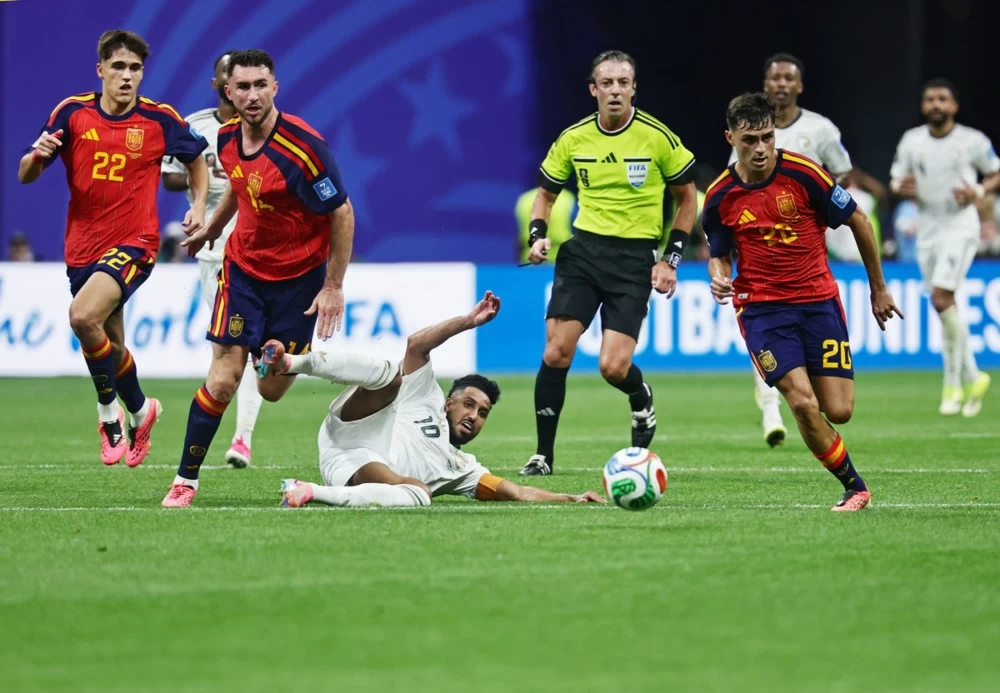
علّق لاعب المنتخب السعودي ونادي الهلال السابق فيصل أبو ثنين على خسارة المنتخب السعودي الأول لكرة القدم أمام نظيره الإسباني بنتيجة (4-0) ضمن منافسات كأس العالم 2026، معتبراً أن النتيجة جاءت انعكاساً للفوارق الفنية الكبيرة بين المنتخبين، وموجهاً في الوقت ذاته انتقادات حادة لمنظومة كرة القدم السعودية.
وأوضح أبو ثنين، عبر حسابه في منصة «إكس»، أن الفارق بين المنتخبين لا يقتصر على مستوى اللاعبين، بل يمتد إلى الاستقرار الفني وآليات العمل، مشيراً إلى أن المنتخب الإسباني يقوده جهاز فني يعمل منذ ثلاث سنوات، في حين لم يمضِ على تولي مدرب المنتخب السعودي سوى فترة وجيزة.
وانتقد اللاعب الدولي السابق النهج الفني الذي اتبعه مدرب المنتخب، مبيناً أن الطريقة التي خاض بها المباراة لم تتناسب مع إمكانات اللاعبين، وأسهمت في تسهيل مهمة المنتخب الإسباني، إلى جانب وجود فارق كبير في الخبرات والإمكانات الفنية بين عناصر المنتخبين.
وأكد أبو ثنين أن التحديات لا تقتصر على نتائج مباراة واحدة، بل ترتبط بمنظومة العمل الكروي عموماً، مشدداً على أن كرة القدم السعودية بحاجة إلى مراجعة شاملة لأساليب التخطيط والإدارة، ووضع إستراتيجيات طويلة المدى تسهم في تطوير المنتخبات الوطنية وتحسين مخرجاتها.
وأضاف أن حجم الإنفاق والإمكانات المتوافرة يجب أن يقابلهما عمل مؤسسي أكثر فاعلية، معتبراً أن تطوير منظومة كرة القدم يتطلب الاستفادة من الكفاءات المتخصصة، وبناء خطط واضحة تحقق الاستدامة والقدرة على المنافسة في المحافل القارية والدولية.
واختتم أبو ثنين حديثه بالتأكيد على أن المرحلة القادمة تستدعي إعادة تقييم شاملة لمنظومة كرة القدم، بما يسهم في معالجة التحديات الحالية، وبناء أسس فنية وإدارية قادرة على الارتقاء بمستوى المنتخبات الوطنية مستقبلاً.
Former Saudi national team player and Al-Hilal club member Faisal Abu Thnein commented on the Saudi national team's loss to the Spanish team with a score of (4-0) in the 2026 World Cup qualifiers, considering that the result reflects the significant technical differences between the two teams, while also directing sharp criticisms towards the Saudi football system.
Abu Thnein clarified, via his account on the "X" platform, that the gap between the two teams is not limited to the players' level but extends to technical stability and work mechanisms, pointing out that the Spanish team is led by a coaching staff that has been working for three years, while the Saudi national team's coach has only recently taken over.
The former international player criticized the technical approach adopted by the national team coach, indicating that the way the match was played did not suit the players' capabilities and facilitated the task for the Spanish team, in addition to the significant difference in experience and technical abilities between the players of both teams.
Abu Thnein emphasized that the challenges are not limited to the results of a single match but are related to the overall football work system, stressing that Saudi football needs a comprehensive review of planning and management methods, and the establishment of long-term strategies that contribute to the development of national teams and improve their outputs.
He added that the level of spending and available resources should be matched by more effective institutional work, considering that developing the football system requires benefiting from specialized competencies and building clear plans that achieve sustainability and competitiveness in continental and international arenas.
Abu Thnein concluded his remarks by affirming that the upcoming phase calls for a comprehensive reassessment of the football system, which contributes to addressing current challenges and building technical and administrative foundations capable of elevating the level of national teams in the future.