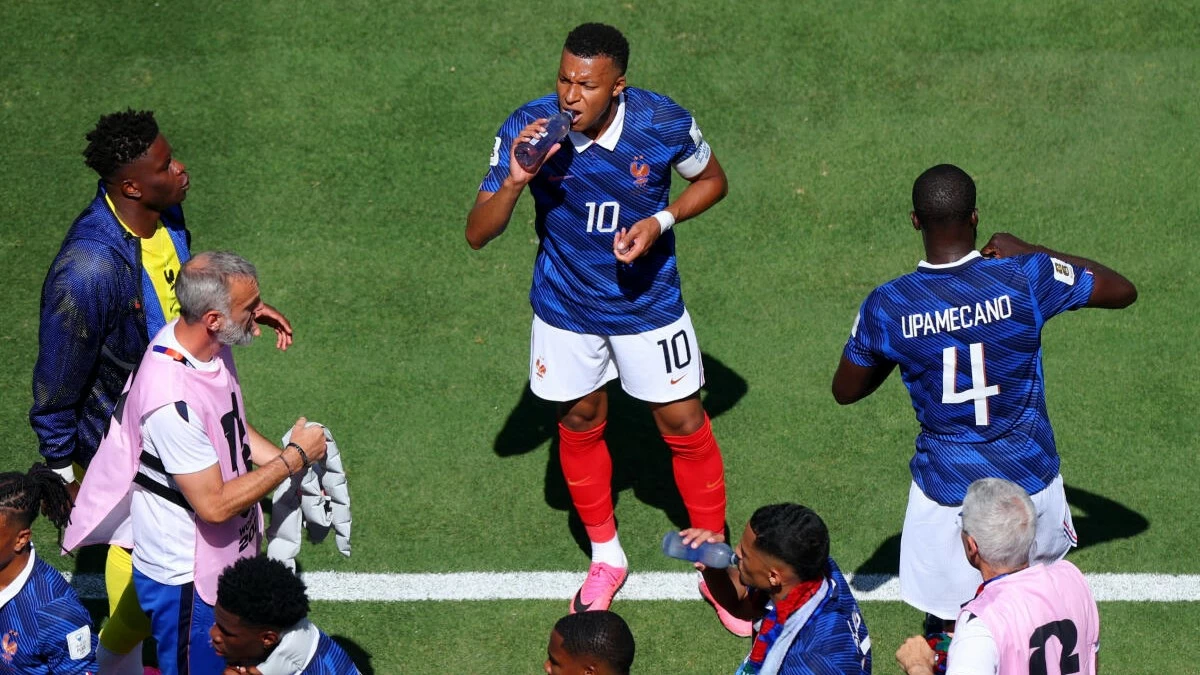
أثارت فترات التوقف الإلزامية لشرب المياه خلال مباريات كأس العالم 2026 جدلاً متصاعداً داخل أوساط كرة القدم، بعدما اتهمها لاعبون ومدربون ومحللون بالتأثير على إيقاع المباريات ومنح الفرق فرصة لإعادة ترتيب خططها التكتيكية أثناء اللعب.
وكان الاتحاد الدولي لكرة القدم (فيفا) قد فرض استراحة مدتها ثلاث دقائق في منتصف كل شوط من جميع مباريات البطولة المقامة في الولايات المتحدة وكندا والمكسيك، في إطار إجراءات تهدف إلى حماية اللاعبين من آثار درجات الحرارة المرتفعة. غير أن الانتقادات تصاعدت مع ملاحظة تغيرات واضحة في مجريات عدد من المباريات عقب هذه التوقفات.
وبرزت مباراة ألمانيا وكوراساو كأحد أبرز الأمثلة، بعدما أدرك المنتخب الكاريبي التعادل أمام بطل العالم أربع مرات قبل دقائق من استراحة المياه، لكن المنتخب الألماني استعاد زمام المبادرة بعد استئناف اللعب وسجل هدفين قبل نهاية الشوط الأول في طريقه لفوز كبير بنتيجة 7-1.
ويرى منتقدون أن الاستراحات تحولت عملياً إلى ما يشبه «الوقت المستقطع» في الرياضات الأمريكية، إذ يستغلها المدربون لتوجيه تعليمات فنية مباشرة وإجراء تعديلات تكتيكية مؤثرة. كما أثارت التوقفات تساؤلات إضافية بعدما طُبقت حتى في الملاعب المغطاة والمكيفة، ما دفع بعض المراقبين إلى الربط بينها وبين منح القنوات الناقلة فرصاً إضافية لبث الإعلانات التجارية.
وفي مؤشر إلى اتساع الجدل، رفض الاتحاد الأوروبي لكرة القدم (يويفا) اعتماد استراحات مماثلة في دوري أبطال أوروبا الموسم القادم، مؤكداً أنها لن تُطبق إلا في حالات الحرارة المرتفعة جداً. كما أكدت رابطة الدوري الألماني عدم وجود خطط لاعتمادها بشكل دائم، فيما سبق لرئيس الاتحاد الإنجليزي لكرة القدم أن استبعد الحاجة إليها خلال بطولة أوروبا 2028 في بريطانيا وأيرلندا.
ورغم الانتقادات، يتمسك «فيفا» بالقرار، مؤكداً أن تطبيق الاستراحات في جميع المباريات يهدف إلى ضمان ظروف متساوية لجميع المنتخبات المشاركة، فيما لا يزال مستقبل هذه التجربة في البطولات الكبرى محل نقاش داخل أروقة اللعبة.
The mandatory water breaks during the 2026 World Cup matches have sparked increasing controversy within football circles, as players, coaches, and analysts have accused them of affecting the rhythm of the games and giving teams a chance to rearrange their tactical plans during play.
The International Football Federation (FIFA) had imposed a three-minute break in the middle of each half of all matches in the tournament held in the United States, Canada, and Mexico, as part of measures aimed at protecting players from the effects of high temperatures. However, criticism has intensified with noticeable changes in the course of several matches following these breaks.
The match between Germany and Curacao emerged as one of the most prominent examples, as the Caribbean team equalized against the four-time world champion just minutes before the water break, but the German team regained the initiative after the resumption of play and scored two goals before the end of the first half on their way to a significant victory with a score of 7-1.
Critics argue that the breaks have practically turned into something resembling "timeouts" in American sports, as coaches use them to give direct technical instructions and make impactful tactical adjustments. The breaks have also raised additional questions after being implemented even in covered and air-conditioned stadiums, leading some observers to link them to providing broadcasting channels with additional opportunities to air commercial advertisements.
In a sign of the growing controversy, the European Football Association (UEFA) rejected the adoption of similar breaks in the Champions League next season, confirming that they will only be applied in cases of extremely high temperatures. The German Football League also confirmed that there are no plans to adopt them permanently, while the president of the English Football Association previously ruled out the need for them during the Euro 2028 in Britain and Ireland.
Despite the criticism, FIFA remains steadfast in its decision, asserting that the implementation of breaks in all matches aims to ensure equal conditions for all participating teams, while the future of this experiment in major tournaments remains a topic of discussion within the corridors of the game.