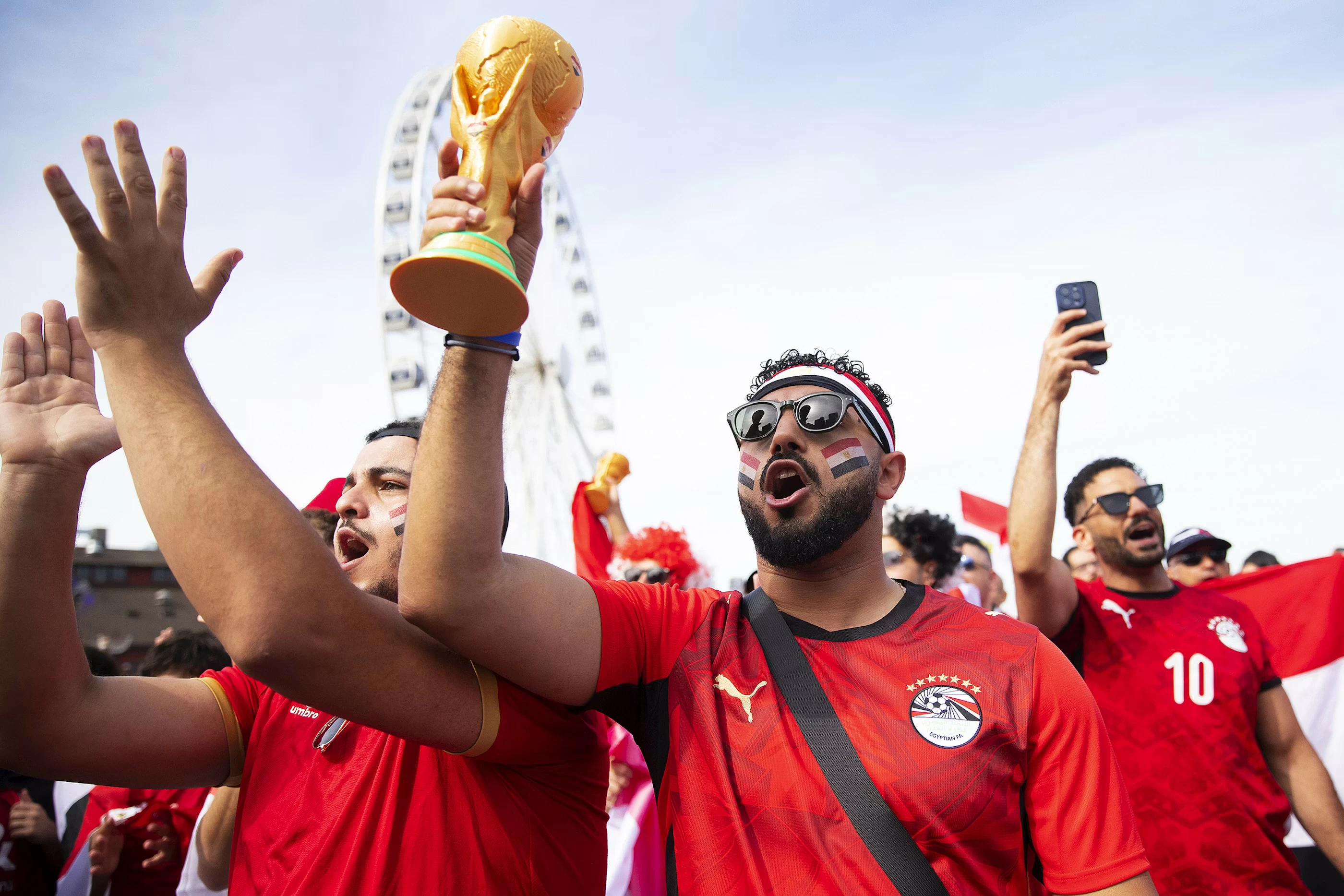
دخلت المنتخبات العربية الثمانية المشاركة في كأس العالم 2026 منافسات البطولة وسط تفاؤل واسع بتحقيق حضور تاريخي، بعدما سجلت رقماً غير مسبوق في عدد المتأهلين إلى النهائيات. غير أن الجولة الأولى من دور المجموعات انتهت من دون أي انتصار عربي، في حصيلة عكست تبايناً واضحاً في مستويات الأداء والنتائج.
ويمثل العرب في النسخة الحالية كل من المغرب والجزائر ومصر وتونس عن القارة الأفريقية، إلى جانب السعودية وقطر والأردن والعراق عن القارة الآسيوية. وأسهم قرار الاتحاد الدولي لكرة القدم برفع عدد المنتخبات المشاركة من 32 إلى 48 منتخباً في زيادة عدد المقاعد المخصصة لآسيا وأفريقيا، ما أتاح حضوراً عربياً غير مسبوق، وشهد الظهور الأول للأردن في النهائيات، مقابل المشاركة الثانية لكل من العراق وقطر، والرابعة لمصر.
وعلى الرغم من غياب الانتصارات، فإن النتائج العربية تفاوتت بين تعثرات ثقيلة ونتائج إيجابية نسبياً.
وتصدرت مواجهة المغرب والبرازيل اهتمامات الجولة، نظراً لما تحمله من قيمة فنية وتاريخية، إذ جمعت بين المنتخب البرازيلي المتوج بخمسة ألقاب عالمية، ومنتخب المغرب الذي حقق إنجازاً تاريخياً ببلوغه نصف نهائي مونديال 2022 كأول منتخب أفريقي يحقق ذلك.
وأنقذت قطر بدايتها من الخسارة بعدما أدركت التعادل أمام سويسرا بهدف متأخر سجله المدافع بوعلام خوخي، في نتيجة منحت المنتخب القطري نقطة ثمينة بعد مشاركته الأولى الصعبة على أرضه في نسخة 2022. في المقابل، تلقى المنتخب التونسي أقسى خسارة عربية في الجولة الافتتاحية بسقوطه أمام السويد بنتيجة 1-5.
وشهدت الجولة مؤشرات إيجابية أخرى، بعدما تقدمت مصر على بلجيكا بهدف لإمام عاشور قبل أن تستقبل شباكها هدف التعادل بالنيران الصديقة عبر محمد هاني، فيما خرج المنتخب السعودي بنقطة مهمة أمام الأوروغواي بعد أن كان على مقربة من الفوز بعد تقدمه بهدف المدافع عبدالإله العمري في الدقيقة 41، قبل أن يعادل منتخب الأوروغواي النتيجة في الدقيقة 81 عبر ماكسيميليانو أراوخو.
لكن النتائج العربية عادت إلى التراجع في ختام الجولة، إذ خسر العراق أمام النرويج 1-4 في ثاني مشاركة له بتاريخ كأس العالم بعد نسخة 1986، فيما تعرضت الجزائر لهزيمة قاسية أمام الأرجنتين، التي تألق قائدها ليونيل ميسي بتسجيل ثلاثة أهداف. أما الأردن، فاستهل أول ظهور له في النهائيات بالخسارة أمام النمسا بنتيجة 1-3.
وبذلك اختتمت المنتخبات العربية الجولة الأولى برصيد محدود تمثل في ثلاثة تعادلات وخمس هزائم، لتبقى آمالها معلقة على الجولتين الثانية والثالثة من دور المجموعات من أجل تعزيز فرص التأهل إلى الأدوار الإقصائية.
The eight Arab teams participating in the 2026 World Cup entered the tournament with widespread optimism for a historic presence, having recorded an unprecedented number of qualifiers for the finals. However, the first round of the group stage ended without any Arab victories, reflecting a clear disparity in performance levels and results.
The Arab representatives in the current edition are Morocco, Algeria, Egypt, and Tunisia from Africa, alongside Saudi Arabia, Qatar, Jordan, and Iraq from Asia. The decision by FIFA to increase the number of participating teams from 32 to 48 has led to an increase in the number of slots allocated to Asia and Africa, allowing for an unprecedented Arab presence, and marking Jordan's first appearance in the finals, while Iraq and Qatar made their second appearances, and Egypt made its fourth.
Despite the absence of victories, the Arab results varied between heavy setbacks and relatively positive outcomes.
The match between Morocco and Brazil topped the round's attention due to its technical and historical significance, as it brought together the Brazilian team, which has won five World Cup titles, and the Moroccan team, which achieved a historic milestone by reaching the semi-finals of the 2022 World Cup as the first African team to do so.
Qatar salvaged its start from defeat by equalizing against Switzerland with a late goal scored by defender Boualem Khoukhi, a result that earned the Qatari team a valuable point after its difficult first participation on home soil in the 2022 edition. In contrast, the Tunisian team suffered the harshest Arab defeat in the opening round, losing to Sweden 1-5.
The round also saw other positive indicators, as Egypt took the lead against Belgium with a goal from Imam Ashour before conceding an equalizer through an own goal by Mohamed Hani, while the Saudi team earned an important point against Uruguay after coming close to victory, leading with a goal from defender Abdulilah Al-Amri in the 41st minute, before Uruguay equalized in the 81st minute through Maximiliano Araújo.
However, the Arab results declined again at the end of the round, as Iraq lost to Norway 1-4 in its second World Cup appearance since 1986, while Algeria suffered a heavy defeat against Argentina, where their captain Lionel Messi shone by scoring three goals. As for Jordan, it began its first appearance in the finals with a loss to Austria, ending with a score of 1-3.
Thus, the Arab teams concluded the first round with a limited tally of three draws and five defeats, leaving their hopes hanging on the second and third rounds of the group stage to enhance their chances of qualifying for the knockout stages.