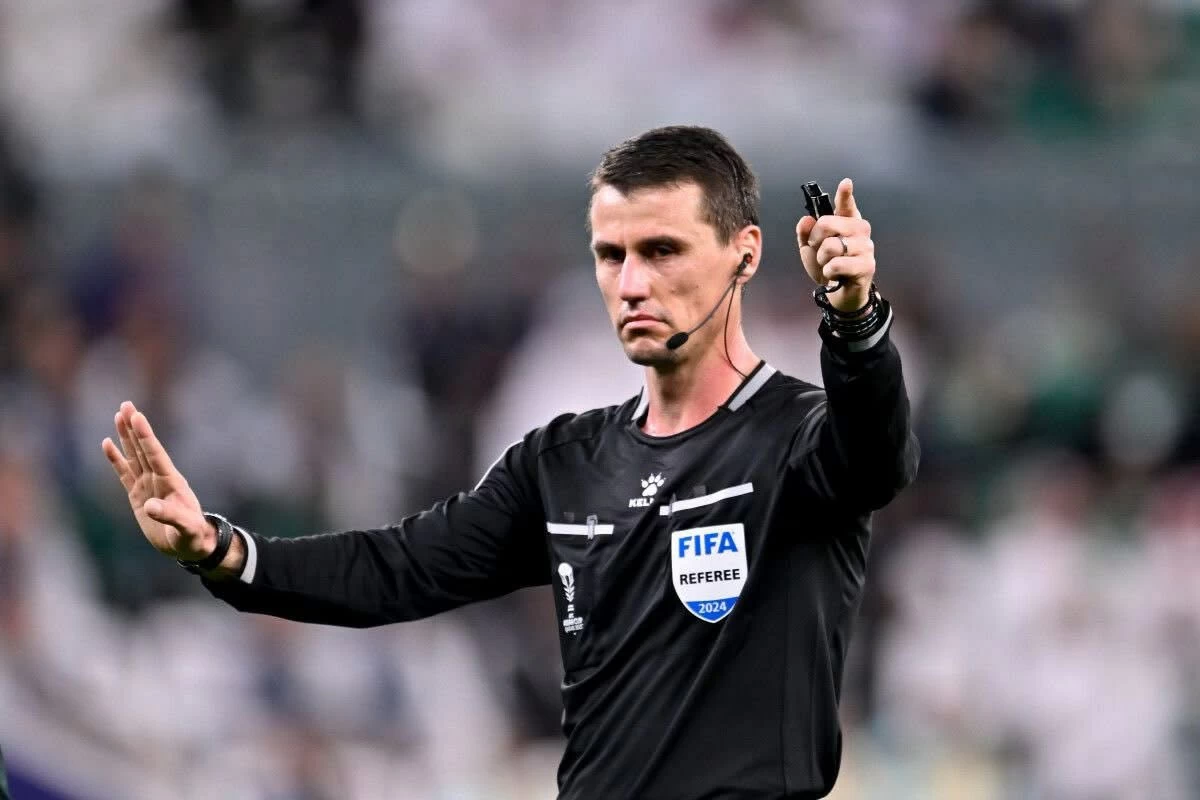
في قلب مدينة جدة، تتجه أنظار القارة الآسيوية نحو المواجهة الحاسمة، التي تجمع النادي الأهلي السعودي بنظيره فيسيل كوبي الياباني في نصف نهائي دوري أبطال آسيا للنخبة، إذ تؤول مسؤولية إدارة هذا اللقاء عالي التنافسية والتعقيد إلى الحكم الأوزبكي الدولي إلجيز تانتاشيف. ولا يأتي اختيار تانتاشيف لهذه المهمة بمعزل عن عملية التقييم الدقيقة والمقارنة المستمرة التي يجريها الاتحاد الآسيوي لكرة القدم لطواقمه التحكيمية هذا الموسم، إذ تضم قائمة حكام النخبة في البطولة تنوعاً جغرافياً ومدرسياً واسعاً، يشمل حكاماً من المدرستين الخليجية وشرق الآسيوية، وفي مقدمتهم القطريان عبدالرحمن الجاسم وسلمان فلاحي، والإماراتي عادل النقبي، والكويتي أحمد العلي، إلى جانب الصيني ما نينغ، والكوري الجنوبي كيم جونغ هيوك، واليابانية يوشيمي ياماشيتا، التي تسجل حضوراً لافتاً كحكمة ساحة في منافسات الرجال، إضافة إلى الأسترالي شون إيفانز وغيرهم.
على الرغم من الأخطاء التحكيمية، التي برزت بوضوح في مباريات دوري ثمن وربع نهائي البطولة، وهي ذاتها الأخطاء التي يخشاها الاهلاويون في مباراتي نصف النهائي والنهائي ليكون حاله مع الحكام الآسيويين بعد الجدل التحكيمي المحلي في بطولة الدوري، متماشياً مع قول الشاعر الأول: «كالمستجير من الرمضاء بالنار».
وبالعودة إلى تحليل البيانات التحكيمية والإحصاءات المتاحة لمباريات دوري أبطال آسيا للنخبة هذا الموسم، يظهر تباين واضح في الأنماط الإدارية للحكام، وانعكاس ذلك على إيقاع المباريات. إذ يتصدر الحكم الصيني ما نينغ قائمة الحكام الأكثر صرامة بمتوسط يتجاوز 5.5 بطاقة صفراء في المباراة الواحدة، مع ارتفاع ملحوظ في معدل البطاقات الحمراء، فيما يعكس أداء القطري عبدالرحمن الجاسم نهجاً حازماً بمتوسط يبلغ 4.5 بطاقة صفراء. وفي المقابل، تضع الأرقام تانتاشيف ضمن المدرسة الأكثر هدوءاً وتدرجاً في تطبيق العقوبات، حيث يستقر متوسطه عند 4.2 بطاقة صفراء للمباراة، مع ندرة إحصائية في إشهار البطاقات الحمراء المباشرة لا تتجاوز 0.2 في المباراة. هذا التباين الرقمي يفسر منطق التعيينات القارية، إذ إن مواجهة تجمع بين الاندفاع البدني والضغط الجماهيري للأهلي، وبين الانضباط التكتيكي والسرعة العالية لفريق فيسيل كوبي، تتطلب حكماً متمرساً قادراً على امتصاص التوتر وإدارة الأزمات الميدانية بدلاً من التصعيد الانضباطي المبكر.
ولا تقف هذه القدرة على إدارة الأزمات عند حدود القرارات التحكيمية، بل تمتد إلى المسيرة الشخصية لتانتاشيف التي اتسمت بالصلابة وتجاوز المنعطفات الصعبة، وهو ما وثقته السجلات عقب دورة الألعاب الأولمبية «باريس 2024». ففي مباراة نصف النهائي بين المغرب وإسبانيا، تعرض لاصطدام غير مقصود مع المدافع الإسباني مارك بوبيل، ما أدى إلى إصابته ومغادرته الملعب في الدقيقة الـ12 في مشهد نادر استدعى دخول الحكم الرابع. ولم تكن تلك الحادثة سوى محطة عابرة، إذ استأنف الحكم البالغ من العمر 42 عاماً نشاطه البدني والذهني بسرعة، مستنداً إلى خبرته التراكمية التي شملت إدارة إياب نهائي دوري أبطال آسيا لموسم 2023-2024.
واليوم، ومع انطلاق صافرة تانتاشيف في ملعب المواجهة بجدة، فإنه لا يدير مجرد مباراة تاريخية للعيور نحو النهائي الآسيوي، بل يخوض اختباراً ميدانياً دقيقاً يسبق محطة أكبر في مسيرته. فهذه المباراة تأتي ضمن تحضيراته المباشرة بعد اعتماد الاتحاد الدولي لكرة القدم (فيفا) اسمه ضمن القوائم الرسمية المونديالية، لتتحول الدقائق الـ90 في جدة إلى معيار حقيقي لمدى نضج المنظومة التحكيمية الآسيوية بكامل تنوعها، وإلى تأكيد عملي على جاهزية الصافرة الأوزبكية للتعامل مع أعقد المواجهات الكروية العالمية، قبل أسابيع قليلة من مونديال أمريكا الشمالية.
In the heart of Jeddah, the eyes of the Asian continent are focused on the decisive clash between Saudi Arabia's Al Ahli club and Japan's Vissel Kobe in the semifinals of the AFC Champions League. The responsibility of officiating this highly competitive and complex match falls to the Uzbek international referee Ilgiz Tantashiev. His selection for this task is not made in isolation from the careful evaluation and ongoing comparison conducted by the Asian Football Confederation regarding its refereeing teams this season. The list of elite referees in the tournament features a wide geographical and educational diversity, including referees from both the Gulf and East Asian schools, led by Qataris Abdulrahman Al Jassim and Salman Flahie, Emirati Adel Al Naqbi, Kuwaiti Ahmed Al Ali, alongside Chinese Ma Ning, South Korean Kim Jong-hyuk, and Japanese Yoshimi Yamashita, who makes a remarkable presence as a center referee in men's competitions, in addition to Australian Sean Evans and others.
Despite the refereeing errors that were clearly evident in the Round of 16 and quarterfinal matches—errors that Al Ahli fans fear in the semifinals and finals, given the local refereeing controversies in the league—this situation aligns with the saying of the first poet: "Like one seeking refuge from the heat in the fire."
Returning to the analysis of refereeing data and statistics available for this season's AFC Champions League matches, a clear variation in the referees' management styles is evident, reflecting on the rhythm of the matches. Chinese referee Ma Ning leads the list of the most stringent referees with an average of over 5.5 yellow cards per match, with a noticeable increase in the rate of red cards. In contrast, Qatari Abdulrahman Al Jassim exhibits a firm approach with an average of 4.5 yellow cards. Meanwhile, the statistics place Tantashiev among the calmer and more gradual schools in applying sanctions, with an average of 4.2 yellow cards per match and a statistical rarity in issuing direct red cards, not exceeding 0.2 per match. This numerical variation explains the logic behind continental appointments, as a match that combines the physical intensity and crowd pressure of Al Ahli with the tactical discipline and high speed of Vissel Kobe requires an experienced referee capable of absorbing tension and managing on-field crises rather than early disciplinary escalation.
This ability to manage crises extends beyond refereeing decisions; it also encompasses Tantashiev's personal journey, characterized by resilience and overcoming difficult turns, as documented after the "Paris 2024" Olympic Games. In the semifinal match between Morocco and Spain, he experienced an unintentional collision with Spanish defender Marc Bopil, which led to his injury and departure from the field in the 12th minute, a rare scene that necessitated the entry of the fourth official. However, that incident was merely a passing moment, as the 42-year-old referee quickly resumed his physical and mental activity, relying on his accumulated experience, which included officiating the second leg of the AFC Champions League final for the 2023-2024 season.
Today, as Tantashiev's whistle echoes in the Jeddah confrontation stadium, he is not merely officiating a historic match for the eyes set on the Asian final; he is undergoing a precise field test that precedes a larger milestone in his career. This match comes as part of his direct preparations after FIFA officially included his name in the World Cup rosters, transforming the 90 minutes in Jeddah into a true benchmark for the maturity of the entire Asian refereeing system, confirming the readiness of the Uzbek whistle to handle the most complex global football confrontations just weeks before the North American World Cup.