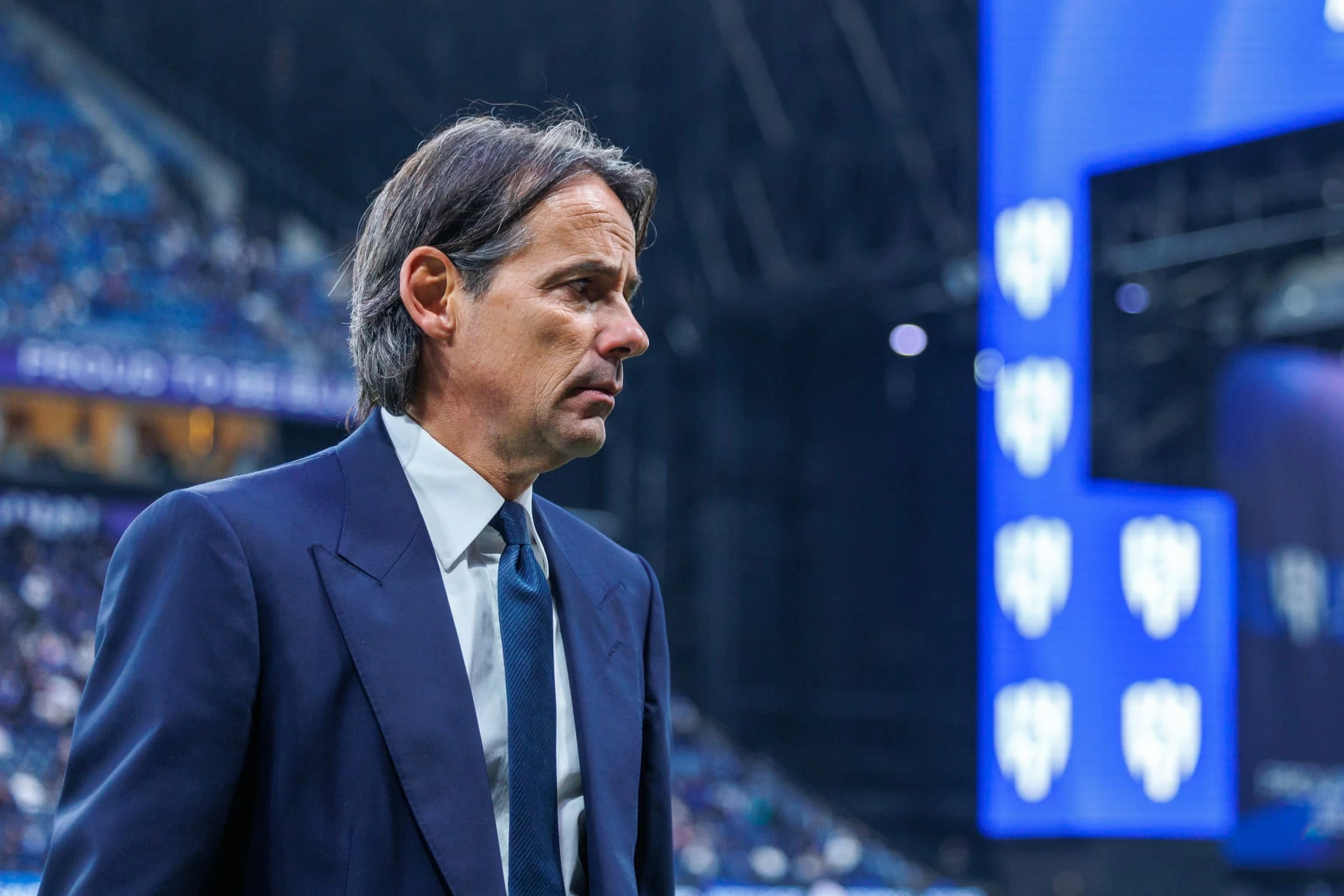
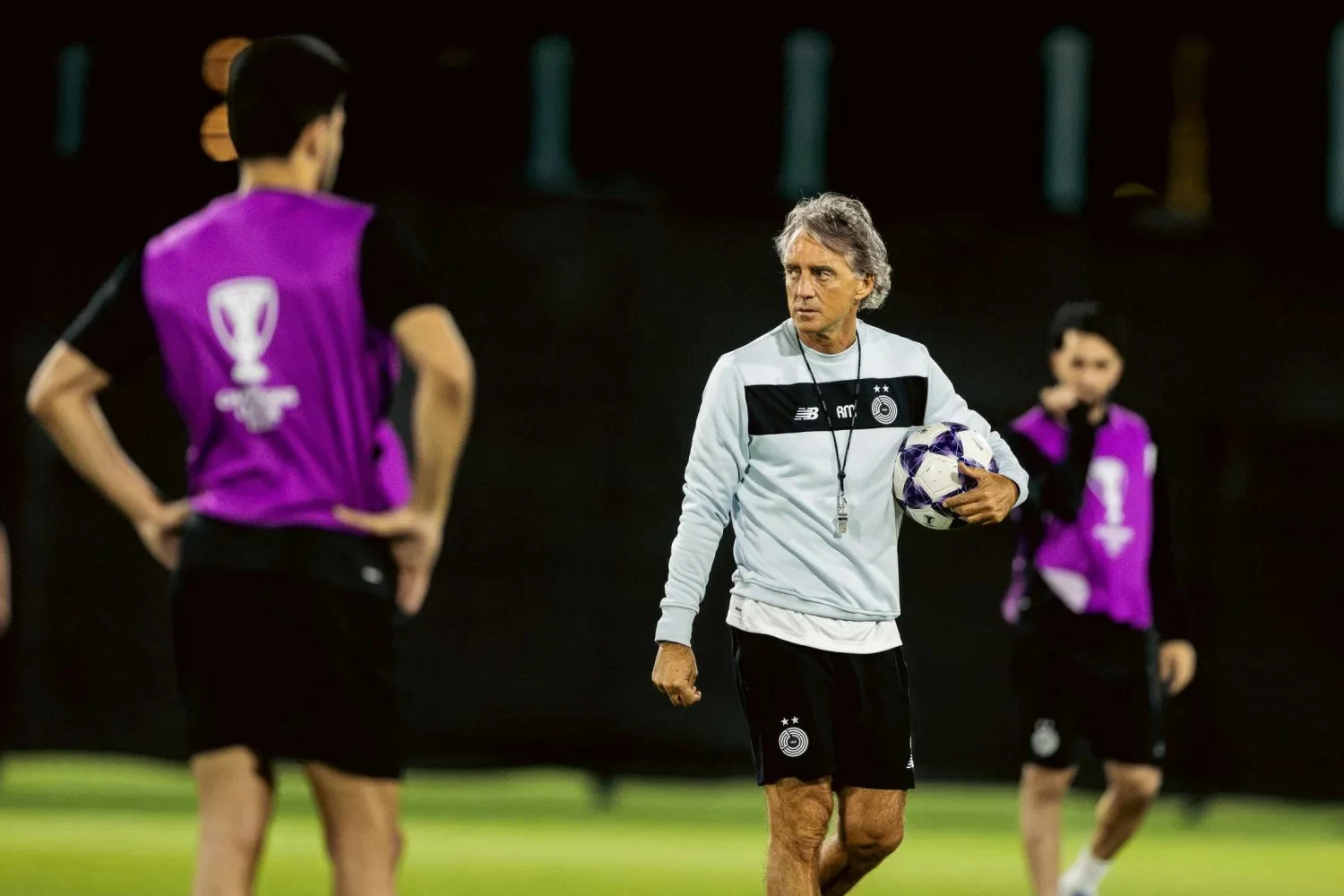
تتجه الأنظار إلى مواجهة الهلال والسد في دور الـ16 من دوري أبطال آسيا للنخبة، في لقاء يتجاوز إطاره التنافسي إلى بعدٍ مهنيٍّ أعمق، يجمع بين روبرتو مانشيني وسيموني إنزاغي، في امتدادٍ لمسارٍ مشترك بدأ داخل أروقة لاتسيو مطلع الألفية، حين كان الأول مدرباً للثاني بين 2002 و2004.
هذه الخلفية المهنية تمنح المواجهة سياقاً مختلفاً، إذ لا يتعلق الأمر بصراع عابر، بل بتحولٍ في الأدوار من علاقة قائمة على التوجيه إلى تنافس مباشر بين مدربين يقود كل منهما مشروعاً فنياً مستقلاً.
إنزاغي، الذي يتولى القيادة الفنية للهلال، يدخل المباراة برؤية تعتمد على المبادرة الهجومية وتكثيف الضغط، مدعوماً بمجموعة تملك مرونة تكتيكية واضحة، فيما يعتمد مانشيني، على رأس الجهاز الفني للسد، على خبرته الطويلة في إدارة المباريات الكبرى وبناء التوازن الدفاعي مع استثمار التحولات الهجومية.
السوابق المباشرة بين الطرفين، وإن كانت محدودة، تحمل دلالة معنوية، إذ سبق أن تفوق إنزاغي على مانشيني خلال موسم 2015–2016 في الدوري الإيطالي، عندما قاد لاتسيو للفوز على إنتر ميلان، في مواجهة شكّلت أول اختبار تدريبي مباشر بينهما. غير أن المعطيات الحالية تختلف، في ظل تغير البيئات التنافسية وتباين الأدوات الفنية.
تصريحات الطرفين قبل اللقاء عكست هذا التوازن بين الاحترام والتنافس. مانشيني أشار إلى أن إنزاغي «كان لاعباً لديه، وقدم مستويات جيدة، وأصبح اليوم مدرباً ناجحاً»، بينما أكد إنزاغي أن علاقته بمدرب السد قائمة على التقدير، قائلاً إنه «صديق ومدرب سابق»، لكنه شدد في الوقت ذاته على أن فريقه «سيكون نداً لند» في المباراة، في إشارة واضحة إلى أولوية الحسم داخل الملعب.
على الصعيد الفني، يتعامل الهلال مع بعض المستجدات المرتبطة بالحالة البدنية، إذ أوضح إنزاغي أن إصابتي محمد كنو ومالكوم جاءت نتيجة كدمات، وليست مرتبطة بالإرهاق، مؤكداً جاهزية البدائل ضمن قائمة وصفها بأنها تضم عناصر قادرة على الحفاظ على المستوى التنافسي. كما يعوّل الفريق على خبرة قائده سالم الدوسري، الذي يمثل ركيزة فنية ومعنوية في مثل هذه المواجهات.
في المقابل، يتبنى مانشيني مقاربة تركز على الجاهزية الذاتية لفريقه دون الالتفات إلى ظروف المنافس، مشيراً إلى أن نظام المباراة الواحدة يزيد من صعوبة المواجهة ويقلّص هامش الخطأ، ما يفرض انضباطاً تكتيكياً عالياً طوال دقائق اللقاء.
المعطيات الإحصائية تمنح الهلال أفضلية نسبية، إذ لم يتعرض للخسارة في آخر سبع مواجهات أمام أندية قطرية في البطولة، غير أن طبيعة الأدوار الإقصائية، خصوصاً بنظام المباراة الواحدة، تجعل هذه الأرقام مؤشراً غير حاسم. من جهته، يدرك السد أن تجاوز هذه المرحلة يتطلب مستوىً فنياً مرتفعاً وقدرة على استثمار الفرص في مواجهة فريق يملك خبرة قارية واسعة.
All eyes are on the clash between Al-Hilal and Al-Sadd in the Round of 16 of the AFC Champions League, a match that transcends its competitive framework to a deeper professional dimension, bringing together Roberto Mancini and Simone Inzaghi, in a continuation of a shared journey that began within the halls of Lazio at the start of the millennium, when the former was the coach of the latter between 2002 and 2004.
This professional background gives the encounter a different context, as it is not merely a fleeting rivalry, but a transformation of roles from a relationship based on guidance to a direct competition between two coaches, each leading an independent technical project.
Inzaghi, who is in charge of Al-Hilal, enters the match with a vision based on offensive initiative and intensified pressure, supported by a group that possesses clear tactical flexibility, while Mancini, at the helm of Al-Sadd, relies on his extensive experience in managing major matches and building defensive balance while capitalizing on offensive transitions.
The direct precedents between the two, although limited, carry a symbolic significance, as Inzaghi previously outperformed Mancini during the 2015–2016 season in Serie A, when he led Lazio to victory over Inter Milan, in a match that constituted the first direct coaching test between them. However, the current circumstances are different, given the changes in competitive environments and the variation in technical tools.
Statements from both sides before the match reflected this balance between respect and competition. Mancini noted that Inzaghi "was a player of his, and performed well, and has now become a successful coach," while Inzaghi emphasized that his relationship with the Al-Sadd coach is based on appreciation, stating that he is "a friend and former coach," but he stressed at the same time that his team "will be a worthy opponent" in the match, indicating clearly that the priority is to settle matters on the field.
On the technical front, Al-Hilal is dealing with some recent developments related to physical conditions, as Inzaghi clarified that the injuries of Mohammed Kanno and Malcolm were due to knocks and not related to fatigue, affirming the readiness of alternatives within a squad he described as having elements capable of maintaining competitive levels. The team also relies on the experience of its captain, Salem Al-Dawsari, who represents a technical and moral pillar in such encounters.
On the other hand, Mancini adopts an approach that focuses on his team's self-readiness without paying attention to the opponent's circumstances, pointing out that the single-match format increases the difficulty of the encounter and reduces the margin for error, which imposes a high tactical discipline throughout the minutes of the match.
Statistical data gives Al-Hilal a relative advantage, as they have not lost in their last seven encounters against Qatari clubs in the tournament, yet the nature of knockout stages, especially with a single-match system, makes these numbers a non-decisive indicator. For its part, Al-Sadd knows that overcoming this stage requires a high technical level and the ability to capitalize on opportunities against a team with extensive continental experience.