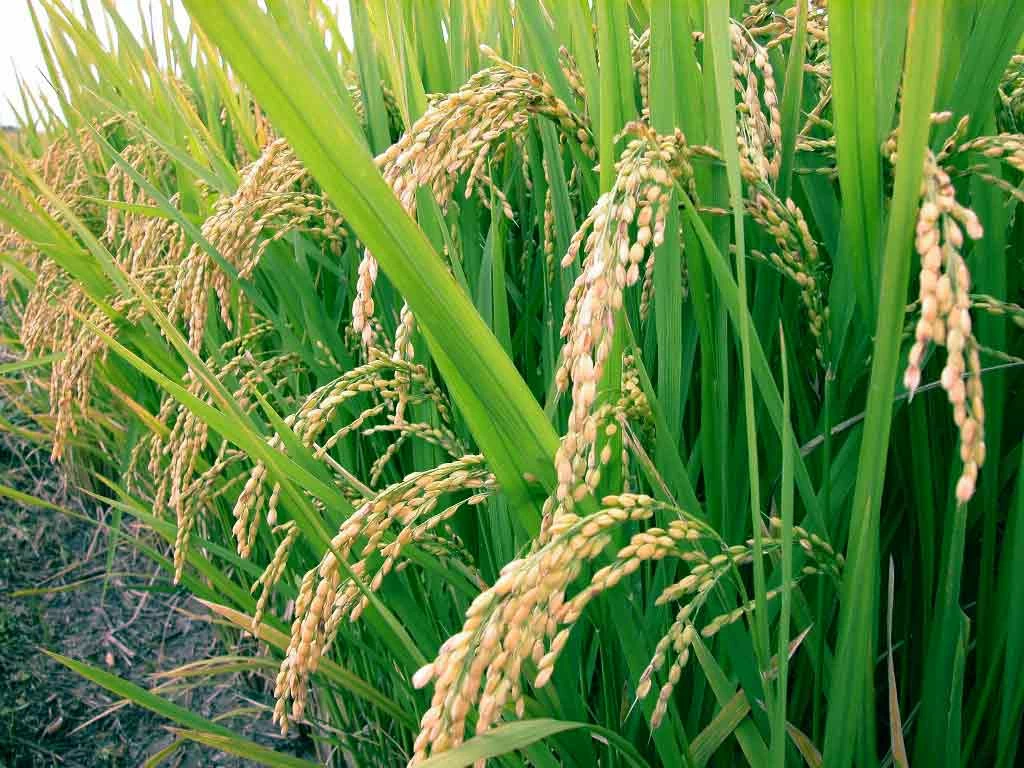
سجلت أسعار الأرز في آسيا أكبر قفزة شهرية لها في نحو عقدين خلال شهر مايو الجاري، وقد تواصل ارتفاعها مع تهديد مخاطر الطقس وزيادات تكاليف الطاقة والأسمدة الناجمة عن الحرب للإنتاج.
وقفز سعر الأرز الأبيض التايلندي، المرجع الآسيوي، بنسبة 20% خلال مايو، في أكبر ارتفاع شهري وفق بيانات تعود إلى عام 2008. كما صعدت العقود الآجلة للأرز في بورصة شيكاغو للسلع بنسبة 15% هذا الشهر.
وأكدت محللة السلع الأولية لدى «BMI» التابعة «Fitch Solutions» بين هوي أونغ والتي رفعت توقعاتها للعقود الآجلة في شيكاغو في وقت سابق من هذا الشهر، أن الأسعار ستواصل اتجاهها الصعودي، وأضافت أن ظاهرة «إل نينيو» المتوقعة، التي قد تجلب طقساً أكثر حرارة وجفافاً إلى أجزاء من آسيا، تمثل عاملاً إضافياً قد يدفع الأسعار إلى مزيد من الارتفاع.
وفي ظل استمرار اضطراب إمدادات الوقود والأسمدة بسبب شبه إغلاق مضيق هرمز، يستعد المزارعون في أنحاء آسيا المعتمدة على الواردات لمواجهة تكاليف إنتاج مرتفعة قد تبدأ في التأثير على إنتاج الأرز، الذي يمثل ركناً أساسياً في اقتصادات المنطقة، ويعد المحصول عنصراً أساسياً للأمن الغذائي في المنطقة، كما تُعد دول مثل تايلندا وفيتنام والهند من كبار الموردين للأسواق العالمية.
ومع بدء موسم زراعة المحصول الرئيسي في العديد من المناطق، اضطر بعض المزارعين إلى إلغاء أو تأجيل زراعة هذا المحصول الأساسي.
Rice prices in Asia recorded their largest monthly jump in nearly two decades during May, and they continue to rise amid threats from weather risks and increasing costs of energy and fertilizers due to the war affecting production.
The price of Thai white rice, the Asian benchmark, surged by 20% in May, marking the largest monthly increase according to data dating back to 2008. Futures contracts for rice on the Chicago Board of Trade also rose by 15% this month.
Commodity analyst at BMI, a Fitch Solutions company, Ben Hoi Ong, who raised her forecasts for Chicago futures earlier this month, confirmed that prices will continue their upward trend. She added that the anticipated El Niño phenomenon, which could bring hotter and drier weather to parts of Asia, represents an additional factor that could drive prices even higher.
Amid ongoing disruptions in fuel and fertilizer supplies due to the near closure of the Strait of Hormuz, farmers across Asia, who rely on imports, are preparing to face high production costs that may begin to impact rice production, which is a cornerstone of the region's economies and a key element for food security. Countries such as Thailand, Vietnam, and India are major suppliers to global markets.
As the main crop planting season begins in many areas, some farmers have been forced to cancel or postpone planting this essential crop.