


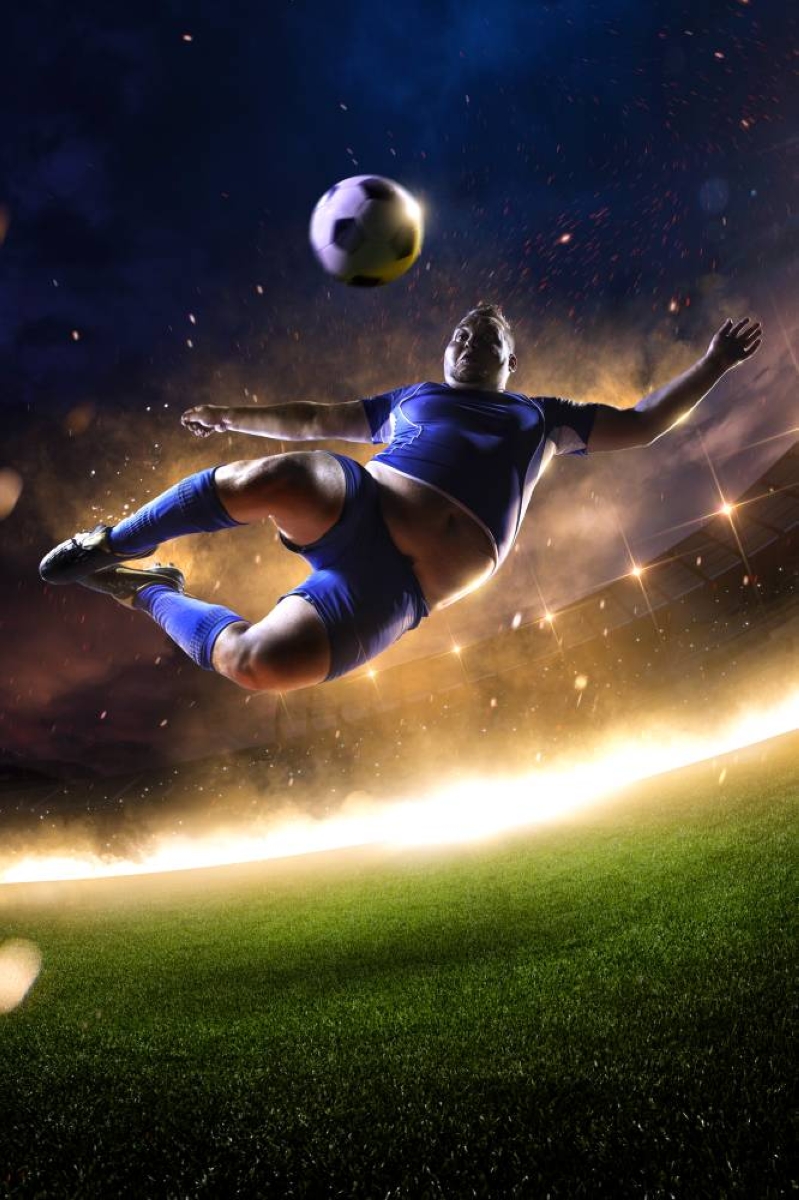
هناك لاعبون كانوا يوماً ما رمزاً للرشاقة واللياقة والتحكم بكرة القدم والسرعة، ولكن ما إن ودعوا المستديرة الخضراء واعتزلوا الأضواء حتى تبدّلت أجسادهم وظهرت (الكرش) بشكل لافت للنظر، وهذه الظاهرة تترك خلفها أكثر من سؤال وعلامة تعجب: كيف تحوّل هؤلاء إلى أجساد مثقلة بالدهون بعد الاعتزال؟
وحول الأسباب الصحية والسلوكية التي تقف وراء هذا التحول المفاجئ، تقول أخصائية التغذية العلاجية الشيماء الحربي لـ«عكاظ»: «ترتبط ممارسة الرياضة في العادة بنمط حياة صحي، ويكون أبطال هذا المسار هم الرياضيون المحترفون، ولكن مع الأسف أشارت الأبحاث إلى أن بعض اللاعبين يعانون بعد اعتزالهم من زيادة الوزن وصولاً إلى السمنة وتراكم الدهون، وذلك بعد سنوات طويلة من حفاظهم على نمط حياة صحي محدد». وتابعت: «أشارت دراسة علمية نشرت في مجلة (Journal of Sport and Health Science عام 2018) إلى مقارنة بين ثلاث فئات: وهي رياضيون على رأس العمل، رياضيون معتزلون، غير رياضيين، إذ أظهرت نتائج الدراسة أن الرياضيين المعتزلين يمارسون نشاطاً بدنياً أقل من غير الرياضيين، وقد يمهد ذلك تدريجياً مع مرور الوقت إلى اكتساب بعض الكيلوغرامات الزائدة التي قد يصعب التخلص منها في حال استمرار النمط غير الصحي». وأضافت: «أهم الأسباب التي تؤدي إلى فقدان الرياضيين لياقتهم البدنية وزيادة أوزانهم وارتفاع احتمالية الإصابة بالأمراض المزمنة -لا قدر الله- هي:
أولاً: تغير أسلوب الحياة إلى النمط الخامل.. وذلك بانخفاض النشاط البدني، فلا يوجد هدف واضح، ولا روح المنافسة بعد الاعتزال، فمع انخفاض النشاط تتدهور قدرة الرياضيين على استخدام الدهون كمصدر للطاقة، فتتأثر الصحة الأيضية للجسم بشكل سلبي.
ثانياً: النظام الغذائي المرتبط قبل الاعتزال.. كان في الغالب تحت إشراف أخصائي تغذية أو مدرب، وتكون غالبية الوجبات صحية، لكنها تحتوي على سعرات حرارية مرتفعة، نظراً لارتفاع حاجتهم للطاقة، فإذا استمر اللاعب بتناول نفس كمية الطعام مع انخفاض مستوى النشاط البدني، فإن ذلك يؤدي إلى زيادة في الوزن وتراكم الدهون.
وثالثا: أسباب نفسية منها العزلة الاجتماعية بعد الاعتزال، سواء كانت لأسباب قهرية كالإصابات، أو لأسباب طوعية في بعض الأحيان، لكن في كلا الحالتين يؤثر ذلك على الهوية الرياضية التي يفقدها الرياضيون بعد اعتزالهم، خصوصاً إذا لم يتم التمهيد لهوية جديدة قبل الاعتزال.
رابعاً: الإصابات المزمنة وآلام المفاصل، إذ تؤثر تراكمات الإصابات المزمنة وآلام المفاصل على النشاط البدني للاعب حتى إن كانت لديه رغبة في البقاء نشيطاً.
وتشدد أخصائية التغذية العلاجية الشيماء على أهمية اتباع نشاط بدني مستدام، وتوعية اللاعبين بأن البنية الجسدية القوية قد تتراجع بشكل سلبي بعد الاعتزال، لذا ينبغي الاستمرار بنمط حياة صحي بعيداً عن أجواء المنافسات الرسمية.
لاعبون من الرشاقة إلى البدانة «كروش» المعتزلين
5 سبتمبر 2025 - 00:40
|
آخر تحديث 5 سبتمبر 2025 - 00:40


تابع قناة عكاظ على الواتساب
محمد داوود (جدة) mdawood77@
There are players who were once symbols of agility, fitness, ball control, and speed, but as soon as they bid farewell to the green pitch and stepped away from the spotlight, their bodies changed, and a noticeable "belly" appeared. This phenomenon leaves behind more than one question and exclamation mark: How did these individuals transform into bodies burdened with fat after retirement?
Regarding the health and behavioral reasons behind this sudden transformation, clinical nutritionist Shaimaa Al-Harbi told "Okaz": "Exercise is usually associated with a healthy lifestyle, and the champions of this path are professional athletes. Unfortunately, research has indicated that some players suffer from weight gain leading to obesity and fat accumulation after retirement, despite having maintained a specific healthy lifestyle for many years." She continued: "A scientific study published in the Journal of Sport and Health Science in 2018 compared three groups: active athletes, retired athletes, and non-athletes. The results showed that retired athletes engage in less physical activity than non-athletes, which may gradually lead to gaining extra kilograms that may be difficult to lose if an unhealthy lifestyle continues." She added: "The main reasons that lead athletes to lose their physical fitness, gain weight, and increase the likelihood of chronic diseases—God forbid—are:
First: The change in lifestyle to a sedentary pattern, characterized by decreased physical activity, as there is no clear goal or competitive spirit after retirement. With reduced activity, athletes' ability to use fat as an energy source deteriorates, negatively affecting the body's metabolic health.
Second: The dietary regimen associated with their pre-retirement phase, which was often supervised by a nutritionist or coach, and most meals were healthy but high in calories due to their increased energy needs. If the player continues to consume the same amount of food while their physical activity level decreases, this leads to weight gain and fat accumulation.
Third: Psychological reasons, including social isolation after retirement, whether due to coercive reasons like injuries or voluntary reasons at times. In both cases, this affects the athletic identity that athletes lose after retirement, especially if a new identity is not prepared before retirement.
Fourth: Chronic injuries and joint pain, as the accumulation of chronic injuries and joint pain affects the athlete's physical activity even if they have the desire to remain active.
Clinical nutritionist Shaimaa emphasizes the importance of maintaining sustainable physical activity and raising awareness among players that a strong physical structure may decline negatively after retirement. Therefore, it is essential to continue a healthy lifestyle away from the atmosphere of official competitions.
Regarding the health and behavioral reasons behind this sudden transformation, clinical nutritionist Shaimaa Al-Harbi told "Okaz": "Exercise is usually associated with a healthy lifestyle, and the champions of this path are professional athletes. Unfortunately, research has indicated that some players suffer from weight gain leading to obesity and fat accumulation after retirement, despite having maintained a specific healthy lifestyle for many years." She continued: "A scientific study published in the Journal of Sport and Health Science in 2018 compared three groups: active athletes, retired athletes, and non-athletes. The results showed that retired athletes engage in less physical activity than non-athletes, which may gradually lead to gaining extra kilograms that may be difficult to lose if an unhealthy lifestyle continues." She added: "The main reasons that lead athletes to lose their physical fitness, gain weight, and increase the likelihood of chronic diseases—God forbid—are:
First: The change in lifestyle to a sedentary pattern, characterized by decreased physical activity, as there is no clear goal or competitive spirit after retirement. With reduced activity, athletes' ability to use fat as an energy source deteriorates, negatively affecting the body's metabolic health.
Second: The dietary regimen associated with their pre-retirement phase, which was often supervised by a nutritionist or coach, and most meals were healthy but high in calories due to their increased energy needs. If the player continues to consume the same amount of food while their physical activity level decreases, this leads to weight gain and fat accumulation.
Third: Psychological reasons, including social isolation after retirement, whether due to coercive reasons like injuries or voluntary reasons at times. In both cases, this affects the athletic identity that athletes lose after retirement, especially if a new identity is not prepared before retirement.
Fourth: Chronic injuries and joint pain, as the accumulation of chronic injuries and joint pain affects the athlete's physical activity even if they have the desire to remain active.
Clinical nutritionist Shaimaa emphasizes the importance of maintaining sustainable physical activity and raising awareness among players that a strong physical structure may decline negatively after retirement. Therefore, it is essential to continue a healthy lifestyle away from the atmosphere of official competitions.


