


خلل السوبر السعودي.. بين تجاوز الصلاحيات وضرورة إيجاد الحل
25 أغسطس 2025 - 00:50
|
آخر تحديث 25 أغسطس 2025 - 00:50




تابع قناة عكاظ على الواتساب
علي بن طالب بن توزان
شهدت الرياضة السعودية خلال الأعوام الأخيرة طفرة استثنائية جعلتها حديث العالم، بفضل الاستثمارات الضخمة، والبطولات الكبرى، واستقطاب أبرز النجوم. ومع هذه الطفرة، ازدادت التطلعات نحو أن تكون المملكة نموذجاً ليس فقط في الإنجازات الرياضية، بل أيضاً في ترسيخ مبادئ العدالة والأنظمة والشفافية داخل منظومتها الكروية.
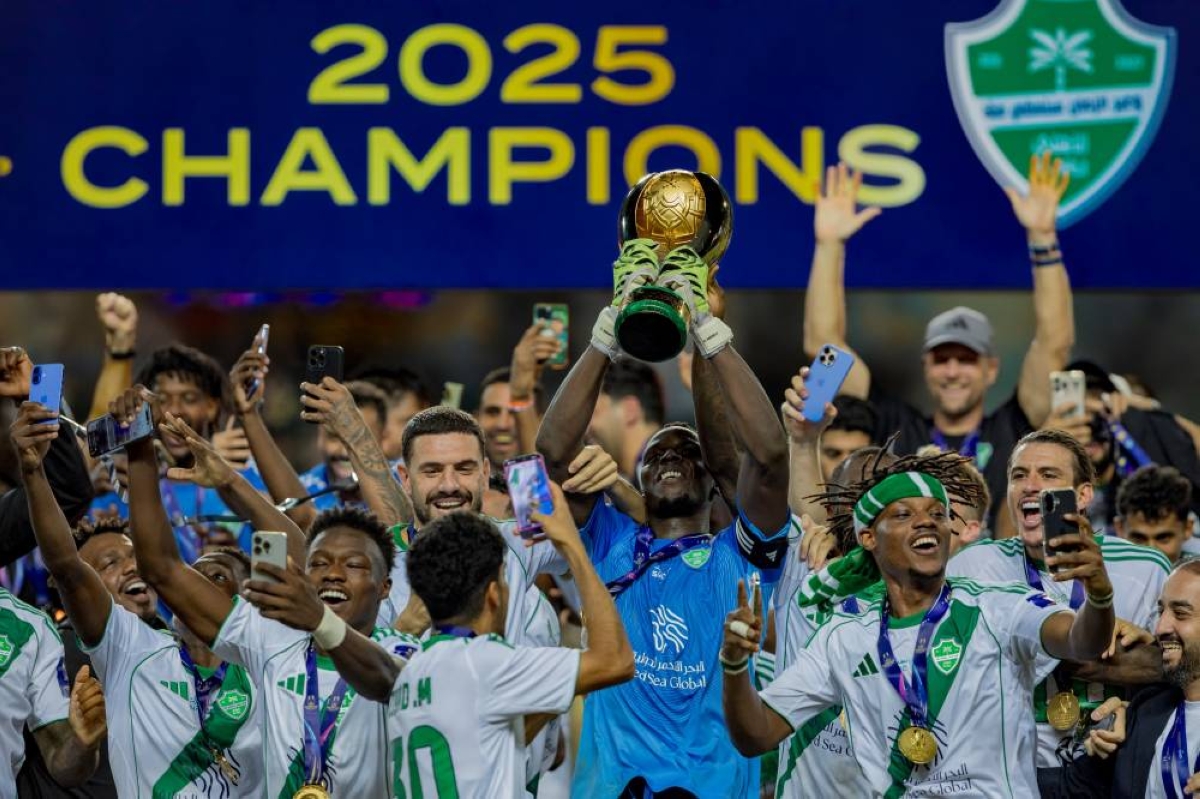
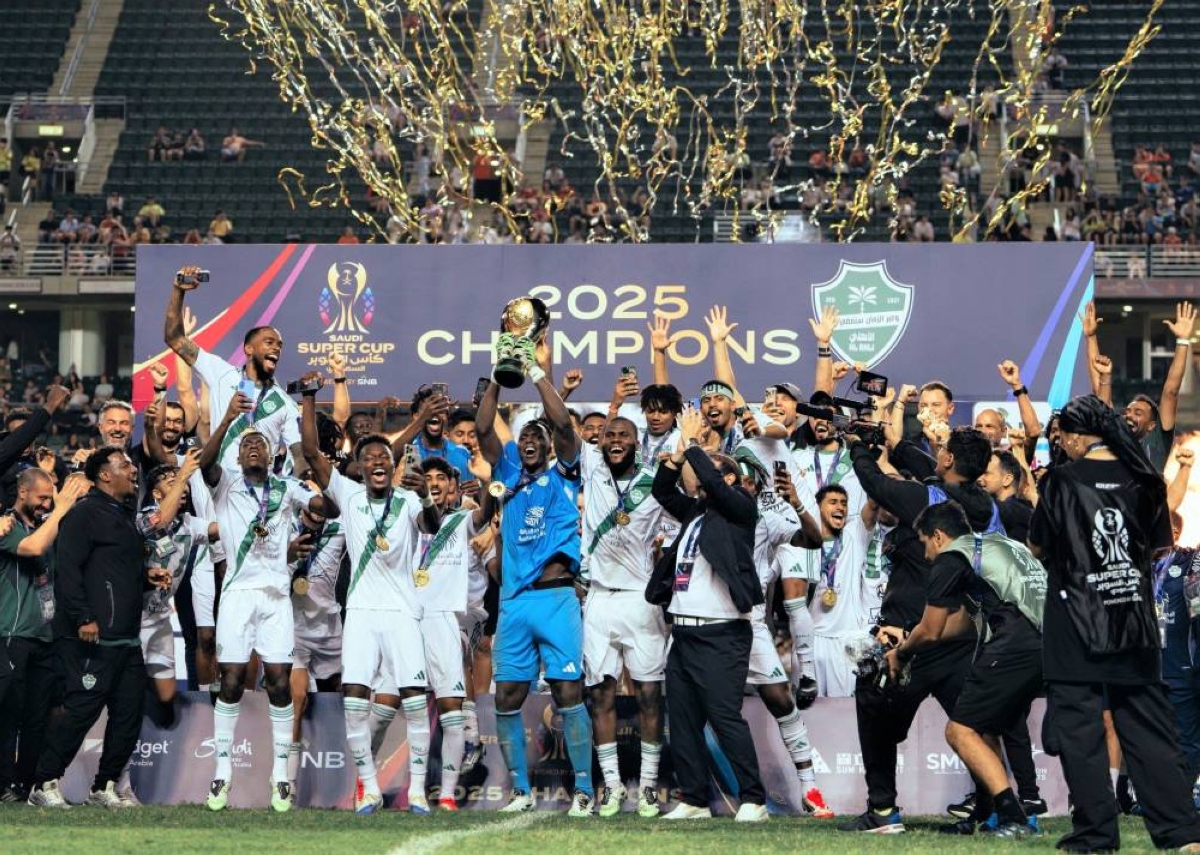
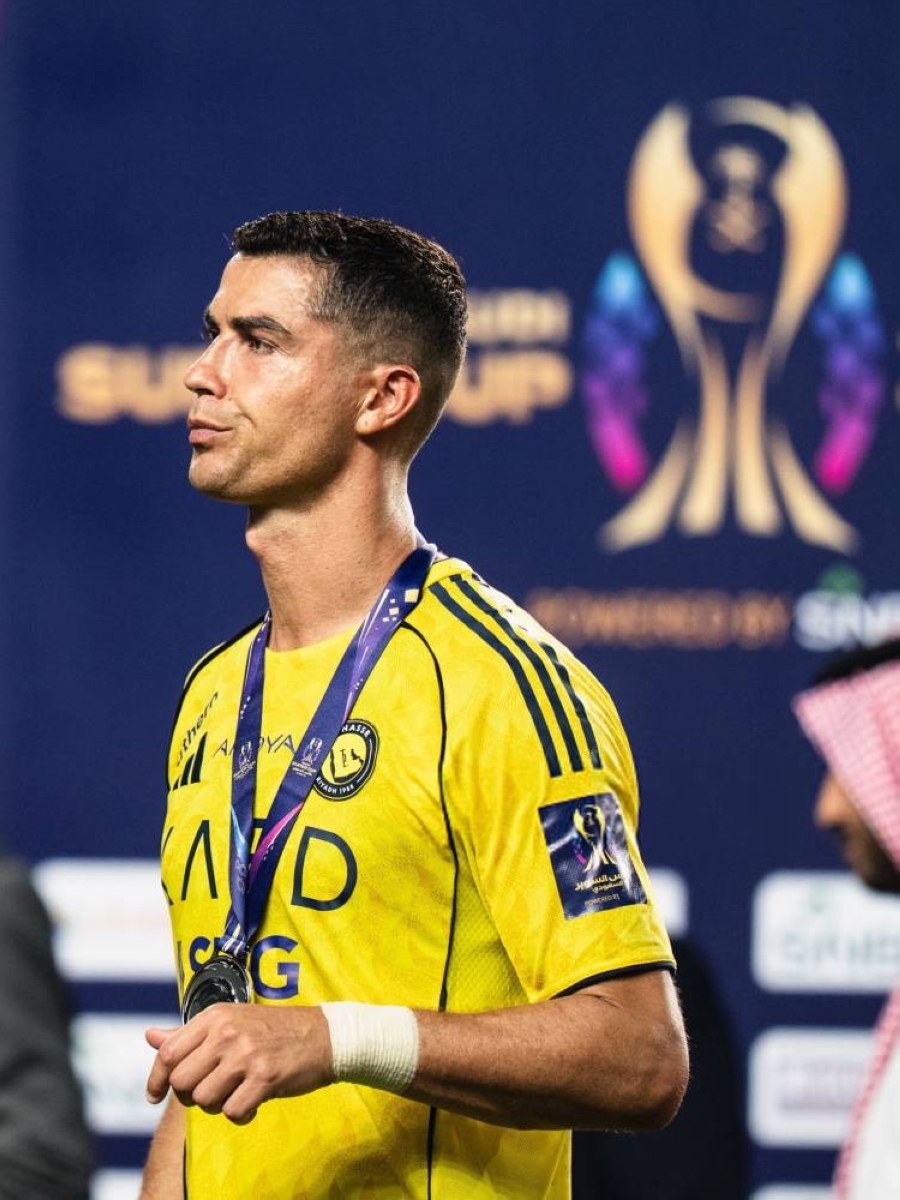
بطولة كأس السوبر السعودي الأخيرة جسدت مفارقة لافتة، إذ توِّج النادي الأهلي باللقب بعد مباراة مثيرة أمام النصر، لكن الأحداث التي سبقت النهائي وأعقبته أفرزت أزمة قانونية خطيرة؛ تدخل الاتحاد السعودي لكرة القدم بقرار إداري بإشراك الأهلي قبل أن تقول لجنة الاستئناف كلمتها في استئناف الهلال والقادسية. فجاء قرار اللجنة لاحقاً ليكشف أن القادسية كان الأحق بالتأهل للنهائي، لتنشأ بذلك فجوة واضحة بين الواقع الميداني والحق القانوني.
الخلل في التدرج النظامي
النظام الرياضي المحلي والدولي قائم على مبدأ التدرج القانوني، إذ تفصل اللجان القضائية المستقلة (لجنة الانضباط، لجنة الاستئناف، ومركز التحكيم الرياضي) في النزاعات، بينما يقتصر دور الاتحاد على التنظيم والتنفيذ. وعليه، فإن تدخل الاتحاد في تفسير اللوائح وإصدار قرار يخص أهلية نادٍ للمشاركة قبل أن تفصل لجنة الاستئناف، يُعد تجاوزاً للصلاحيات.
هذا التجاوز أحدث خللاً كبيراً؛ بطولة اكتملت نتائجها على أرض الملعب، وقرارات قضائية صدرت لاحقاً لتؤكد أن طرفاً آخر كان الأحق بالمشاركة في النهائي. وهذه الازدواجية تُضعف مصداقية المسابقات، وتضع الاتحاد أمام مسؤولية كبرى عن أي ضرر لحق بالأندية. وقد كان يمكن تلافي الإشكالية كلها لو تم السماح للهلال بالمشاركة بالفريق الرديف، كما هو معمول به في أنظمة الاتحاد الدولي، إذ يلتزم كل نادٍ بتقديم قائمة موسعة للاعبين يُختار منهم 11 لاعباً لأي مباراة.
الأندية المتضررة
• الهلال: لم يكن متضرراً إلا من زاوية محددة؛ إذ عرض أن يشارك بالفريق الثاني وهو حق كان يمكن أن يسد الخلل ويمنع الأزمة من الأساس، لكن الاتحاد رفض هذا الخيار بشكل غير مبرر. وحين رُفضت مشاركته بالفريق الرديف، أصبح انسحابه أمراً واقعاً، فخسر نظامياً وتعرض للعقوبات المستحقة، وهي نتيجة طبيعية لأي فريق ينسحب. غير أن النقطة الجوهرية هنا أن رفض الاتحاد لهذا الحل العملي هو ما ساهم في تفاقم الأزمة.
• القادسية: الخاسر الأكبر، إذ حُرم من لعب النهائي الذي أثبتت لجنة الاستئناف أن تأهله إليه كان حقه الأصيل.
• الأهلي: تُوّج بالبطولة لكن إنجازه بات مشوباً بالجدل القانوني، وهو ما يُلقي بظلال سلبية على صورته أمام جماهيره ويطرح تساؤلات عن قيمة البطولة في الذاكرة الرياضية السعودية.
إلى جانب هذه الأضرار المباشرة، هناك أضرار غير ملموسة؛ فقدان الثقة لدى الجماهير، وفتح الباب أمام الجدل الإعلامي، وإضعاف صورة العدالة الرياضية في وقت تسعى المملكة لتصدير نموذج رياضي عالمي.
البعد التنظيمي وتقدير الظروف الاستثنائية
لا شك أن الأندية مطالبة بالالتزام بالمشاركات الرسمية، وأي انسحاب يجب أن يُواجه بعقوبات رادعة. لكن في المقابل، فإن على الاتحاد أيضاً أن يُظهر مرونة ويُقدّر الظروف الاستثنائية. الهلال مثلاً لم يرفض المشاركة من باب التهاون، بل لأنه خرج من بطولة كأس العالم للأندية في فترة صيفية مرهقة، وكان لاعبوه قد بذلوا جهداً كبيراً شرفوا به الوطن في محفل عالمي.
كان يمكن للاتحاد أن يتدارك الموقف بتأجيل المباراة أو تخصيص أسبوع بديل بعد انطلاق الدوري، كما تفعل بعض الاتحادات الكبرى حين تتداخل البطولات. فالقوانين ليست جداراً صلباً فقط، بل هي أداة لضمان العدالة وحماية مصالح جميع الأطراف. ولو تم التعامل مع الظرف بمرونة مدروسة، لربما تجنب الجميع الدخول في هذه الأزمة المعقدة.
البعد القانوني الدولي
المبادئ التي تحكم كرة القدم عالمياً عبر لوائح الاتحاد الدولي (فيفا) ومحكمة التحكيم الرياضي (CAS) تشدد على ضرورة الفصل بين السلطات داخل المنظومة الكروية. الاتحاد الوطني لا يجوز أن يتدخل في عمل اللجان القضائية، وإلا عُد ذلك مساساً بمبدأ الاستقلالية الذي يُعتبر أحد أعمدة النزاهة الرياضية.
وبالنظر إلى هذه المبادئ، فإن ما حدث في السوبر السعودي يُعد إخلالاً بهذا التوازن، وقد يمنح الأندية المتضررة الحق في اللجوء لمركز التحكيم الرياضي السعودي، بل وحتى لمحكمة CAS إذا ثبت أن الإجراءات لم تلتزم بالمعايير الدولية.
الحل: التعويض كآلية إصلاح
حين يُرتكب خطأ إداري يضر بأطراف متعددة، فإن العدالة تقتضي أن تتحمل الجهة المخطئة مسؤوليته. الاتحاد السعودي لكرة القدم، رغم إنجازاته، يجب أن يخضع للمبدأ ذاته. التعويض هنا ليس عقوبة بقدر ما هو إجراء تصحيحي يعيد الثقة إلى المنظومة.
اقتراحي أن يُقتطع جزء من مخصصات الاتحاد المالية لتعويض الأندية المتضررة، سواء في شكل مبالغ مالية مباشرة، أو عبر دعمها في التعاقدات أو ميزانيات الموسم القادم. مثل هذه الإجراءات ليست غريبة؛ ففي تجارب رياضية أخرى، كما حدث في بعض بطولات أوروبا، عُوِّضت أندية بعد أخطاء تنظيمية أثرت على مشاركاتها.
تعديل لائحة السوبر وتشديد العقوبات
إلى جانب التعويض، فإن الحل الأمثل يكمن في مراجعة وتعديل لائحة بطولة السوبر بحيث تُصبح أكثر وضوحاً وصراحة في حالات الانسحاب أو رفض المشاركة. فالنصوص الحالية تركت مساحة للاجتهاد والتفسير، وهو ما تسبب في الأزمة.
• يجب أن تنص اللائحة بوضوح على حق الأندية في إشراك الفريق الرديف أو أي 11 لاعباً من القائمة المسجلة.
• كما ينبغي أن تُحدد آلية بديلة تضمن استمرار البطولة بشكل فوري إذا وقع انسحاب، مثل استدعاء الفريق الذي خسر في الدور السابق.
• والأهم أن تُقترن هذه التعديلات بعقوبات صارمة جداً، تصل إلى الحرمان من المشاركة لعدة مواسم، وفرض غرامات مالية كبيرة، حتى لا يفكر أي نادٍ في الانسحاب من بطولة رسمية مهما كانت الظروف.
بين الأنظمة والسمعة العالمية
الرياضة اليوم ليست مجرد مباريات، بل هي مرآة لسمعة الدول. والمملكة العربية السعودية، بما تمثله من ثقل إقليمي وعالمي، تحتاج أن تكون بطولاتها المحلية أنموذجاً في احترام الأنظمة والالتزام بالعدالة. فكما تستقطب المملكة النجوم وتبهر العالم بالملاعب الحديثة والبطولات الكبرى، فإن عليها أن تُظهر بالقدر نفسه صرامة في إدارة مسابقاتها الداخلية.
التعويض والتشديد هنا ليسا غاية في ذاتهما، بل رسالة بأن المنظومة الرياضية قادرة على تصحيح أخطائها، وأن الأنظمة فوق الجميع.
لقد كان الأهلي بطلاً على أرض الملعب، وكان القادسية بطلاً في أروقة القانون، بينما الهلال وجد نفسه بين خيار المشاركة بالفريق الرديف الذي رُفض، وظرف استثنائي بعد كأس العالم للأندية لم يُراعَ، ثم واقع الانسحاب وما تبعه من عقوبات. لكن البطولة كشفت قبل كل شيء أن المنظومة بحاجة إلى مراجعة عاجلة، وأن احترام الأنظمة ليس خياراً بل ضرورة.
من هنا، فإن تعويض الأندية المتضررة وتعديل اللائحة وتشديد العقوبات، مع مرونة تنظيمية تراعي الظروف الاستثنائية، هي أدوات أساسية لإعادة الثقة في الاتحاد ومسابقاته. الرياضة السعودية، التي تقود مشروعاً عالمياً غير مسبوق، تستحق أن تُدار بالأنظمة الصارمة والعدالة الكاملة، حتى لا يتكرر أن ترفع الأندية الكؤوس بينما يبقى الجدل القانوني أكبر من الإنجاز نفسه.
* مستشار قانوني
Ali_bin_Tuzan@
Saudi sports have witnessed an exceptional boom in recent years, making it the talk of the world, thanks to massive investments, major tournaments, and the attraction of top stars. With this boom, aspirations have increased for the Kingdom to be a model not only in sports achievements but also in establishing principles of justice, regulations, and transparency within its football system.
The recent Saudi Super Cup embodied a striking paradox, as Al-Ahli was crowned the champion after an exciting match against Al-Nassr. However, the events that preceded and followed the final resulted in a serious legal crisis; the Saudi Football Federation intervened with an administrative decision to include Al-Ahli before the Appeals Committee had its say on the appeals from Al-Hilal and Al-Qadisiyah. Later, the committee's decision revealed that Al-Qadisiyah was more deserving of qualifying for the final, thus creating a clear gap between the on-field reality and legal rights.
The flaw in the regulatory hierarchy
The local and international sports system is based on the principle of legal progression, where independent judicial committees (Disciplinary Committee, Appeals Committee, and Sports Arbitration Center) resolve disputes, while the federation's role is limited to organization and implementation. Therefore, the federation's intervention in interpreting regulations and issuing a decision regarding a club's eligibility to participate before the Appeals Committee has ruled is considered an overreach of authority.
This overreach caused a significant disruption; a tournament whose results were completed on the field, and subsequent judicial decisions confirmed that another party was more deserving of participating in the final. This duality undermines the credibility of competitions and places the federation under significant responsibility for any harm caused to the clubs. The entire issue could have been avoided if Al-Hilal had been allowed to participate with its reserve team, as is customary in the regulations of the international federation, where each club is required to submit an expanded list of players from which 11 players are chosen for any match.
The affected clubs
• Al-Hilal: It was only harmed from a specific angle; it offered to participate with its second team, a right that could have rectified the flaw and prevented the crisis altogether, but the federation unjustifiably rejected this option. When its participation with the reserve team was denied, its withdrawal became a reality, leading to a legitimate loss and the imposition of deserved penalties, which is a natural outcome for any team that withdraws. However, the crucial point here is that the federation's rejection of this practical solution contributed to the escalation of the crisis.
• Al-Qadisiyah: The biggest loser, as it was deprived of playing in the final, which the Appeals Committee confirmed it was rightfully qualified for.
• Al-Ahli: Crowned the champion, but its achievement has become tainted by legal controversy, casting negative shadows on its image before its fans and raising questions about the value of the championship in Saudi sports memory.
In addition to these direct damages, there are intangible harms; loss of trust among fans, opening the door to media debate, and weakening the image of sports justice at a time when the Kingdom seeks to export a global sports model.
The organizational dimension and appreciation of exceptional circumstances
There is no doubt that clubs are required to adhere to official participations, and any withdrawal should be met with deterrent penalties. However, the federation must also show flexibility and appreciate exceptional circumstances. For example, Al-Hilal did not refuse to participate out of negligence, but because it exited the FIFA Club World Cup during a grueling summer period, and its players had exerted significant effort to honor the nation in a global event.
The federation could have mitigated the situation by postponing the match or allocating an alternative week after the league started, as some major federations do when tournaments overlap. Laws are not just a solid wall; they are a tool to ensure justice and protect the interests of all parties. If the situation had been handled with thoughtful flexibility, perhaps everyone could have avoided entering this complex crisis.
The international legal dimension
The principles governing football globally through the regulations of FIFA and the Court of Arbitration for Sport (CAS) emphasize the necessity of separating powers within the football system. The national federation should not interfere in the work of judicial committees, otherwise, it would be considered an infringement on the principle of independence, which is one of the pillars of sports integrity.
In light of these principles, what happened in the Saudi Super Cup constitutes a breach of this balance and may grant the affected clubs the right to resort to the Saudi Sports Arbitration Center, and even to the CAS if it is proven that the procedures did not adhere to international standards.
The solution: compensation as a reform mechanism
When an administrative error harms multiple parties, justice requires that the offending party bear responsibility. The Saudi Football Federation, despite its achievements, must adhere to the same principle. Compensation here is not a punishment but rather a corrective measure that restores trust in the system.
My suggestion is to allocate a portion of the federation's financial allocations to compensate the affected clubs, either in the form of direct financial amounts or by supporting them in contracts or budgets for the upcoming season. Such measures are not strange; in other sports experiences, as seen in some European tournaments, clubs have been compensated after organizational errors affected their participations.
Amending the Super Cup regulations and tightening penalties
In addition to compensation, the optimal solution lies in reviewing and amending the Super Cup regulations to make them clearer and more explicit regarding withdrawal or refusal to participate. The current texts have left room for interpretation and discretion, which led to the crisis.
• The regulations should clearly state the clubs' right to include the reserve team or any 11 players from the registered list.
• An alternative mechanism should also be established to ensure the immediate continuation of the tournament in the event of a withdrawal, such as calling up the team that lost in the previous round.
• Most importantly, these amendments should be accompanied by very strict penalties, including bans from participation for several seasons and imposing large financial fines, so that no club considers withdrawing from an official tournament regardless of the circumstances.
Between regulations and global reputation
Today, sports are not just matches; they are a reflection of the reputation of nations. The Kingdom of Saudi Arabia, given its regional and global weight, needs its local championships to be a model in respecting regulations and adhering to justice. Just as the Kingdom attracts stars and dazzles the world with modern stadiums and major tournaments, it must also demonstrate the same level of rigor in managing its internal competitions.
Compensation and tightening here are not an end in themselves but a message that the sports system is capable of correcting its mistakes and that regulations are above all.
Al-Ahli was a champion on the field, Al-Qadisiyah was a champion in the corridors of law, while Al-Hilal found itself between the option of participating with the rejected reserve team and an exceptional circumstance after the FIFA Club World Cup that was not taken into account, and then the reality of withdrawal and the subsequent penalties. However, the championship revealed, above all, that the system needs urgent review and that respecting regulations is not an option but a necessity.
From here, compensating the affected clubs, amending the regulations, and tightening penalties, along with organizational flexibility that considers exceptional circumstances, are essential tools for restoring trust in the federation and its competitions. Saudi sports, which is leading an unprecedented global project, deserves to be managed with strict regulations and complete justice, so that clubs do not raise trophies while legal debates overshadow the achievement itself.
* Legal Consultant
Ali_bin_Tuzan@


