


أوضح الأكاديمي القانوني الحسن رديف لـ«عكاظ» أن سلامة اللاعب تعد من أهم الركائز التي أولى المجلس الدولي لكرة القدم (IFAB) اهتمامه بها، مثل خطوط الملعب والمعدات المستخدمة في اللعبة ومنها المرمى، فنصّ على وجوب ضمان أن تكون خطوط الملعب من مادة لا تشكل خطراً على سلامة اللاعبين، إذ نصت المادة الثانية من قوانين كرة القدم على وجوب تحديد خطوط الملعب، وأن تكون متواصلة، ويجب ألا تشكل خطورة، بل إنه من حرصه على سلامة اللاعبين اشترط استخدام العشب الصناعي كخطوط للملاعب ذات العشب الطبيعى وألا تشكل خطورة على اللاعب، فكيف بوضع قاعدة خلفية بارزة على المرمى قد تشكل خطراً على الحارس عند ارتطامه بها.
وفي ما يتعلق بالمرمى فقد اشترطت المادة العاشرة من قوانين كرة القدم وجوب أن يكون المرمى من قائمين منتصبين ومثبتين على مسافة متساوية بين كل منهما، وتجمعهما عارضة أفقية، ويجب أن يكون قائما المرمى وعارضته مصنوعين من مادة معتمدة، كما يشترط ألا تشكل أي خطر على اللاعبين. وأيضاً اشترطت تثبيت الشباك إلى المرمى أو أرضية ميدان اللعب خلف المرمى. ونصت المادة الحادية عشرة على ضرورة أن يكون المرمى مثبتاً بإحكام إلى الأرض.
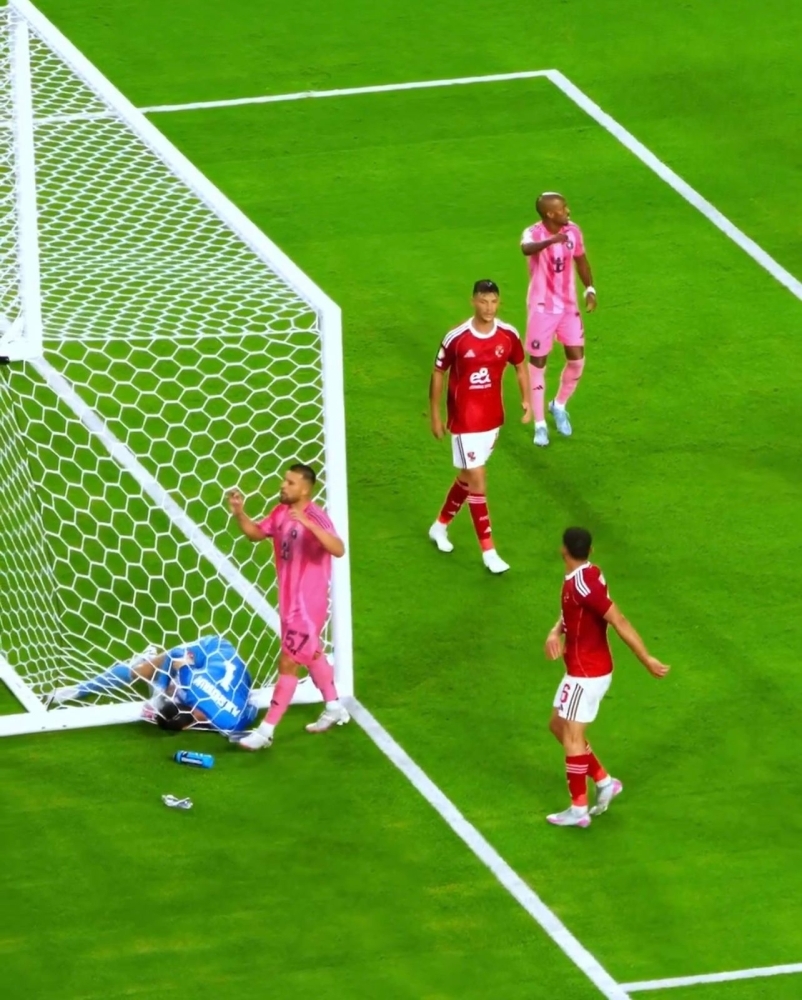
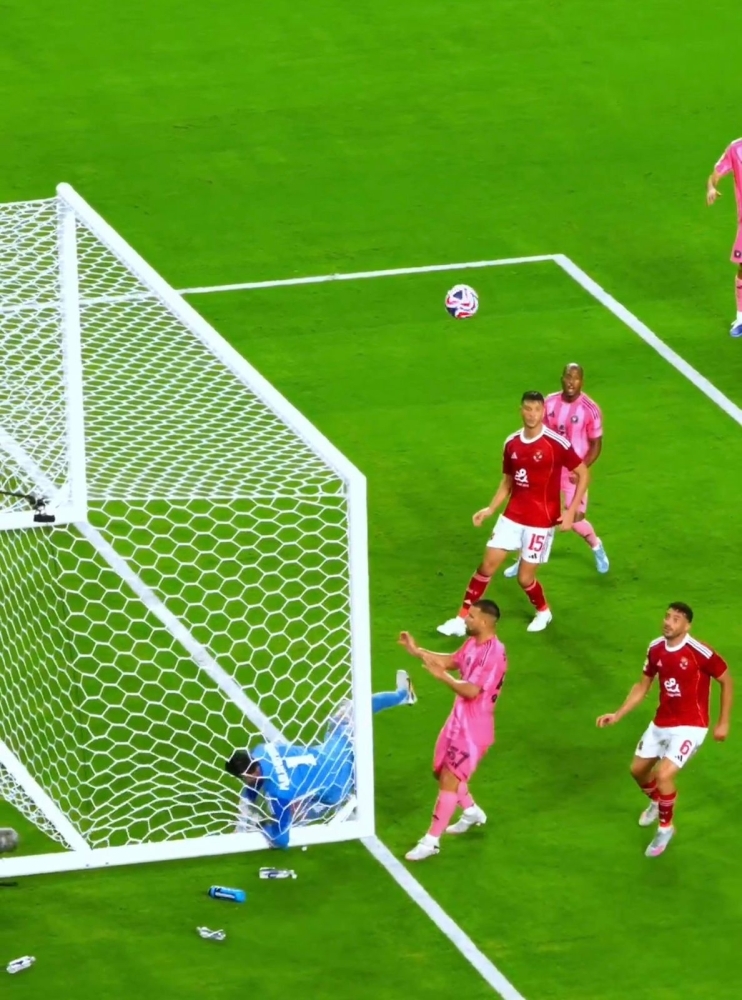
فوضع المرمى بقائمين وعارضة وقاعدة من خلفهما لتثبت شباك المرمى يشكل خطراً على حارس المرمى واللاعبين عموماً عند السقوط عليه وقد تحدث إصابات خطيرة سواء على الحارس أو اللاعب عند الارتطام بها، وهذه حقيقة ما حصل في مباراة النادي الأهلي المصري أمام ميامي في ارتطام حارس النادي الأهلي بقاعدة شباك المرمي ما تسبب في إصابته، فتلك القاعدة تمثل مخالفة لشكل المرمى المنصوص عليه في قوانين اللعبة التي نصت على أنه المرمى مكون من قائمين وعارضة وأن تثبت شباكه بالأرض أو المرمى نفسه لا بقاعدة خلفية بارزة، وعليه يجب على مسؤولي المباراة وكذلك حكام المباراة التأكد من المرمى وموافقته لقوانين اللعبة، وألا يشكل خطراً على الحارس واللاعبين عموماً، وللحكم إيقاف المباراة أو تأجيلها، وفقاً لقوانين كرة القدم المنصوص عليها في القانون الخامس الخاص بالحكم من قوانين كرة القدم الصادرة من المجلس الدولي لكرة القدم.
يُذكر أن اللجنة المنظمة لبطولة كأس العالم للأندية 2025، كادت تتسبب في إصابة حارس مرمى النادي الأهلي والمنتخب المصري محمد الشناوي، بسبب عدم التزامها بمعايير سلامة اللاعبين في ملعب «هارد روك»، الذي احتضن مواجهة الأهلي المصري ونظيره إنتر ميامي الأمريكي التي انتهت بالتعادل السلبي ضمن منافسات الجولة الأولى من دور المجموعات، فبعد تصديه لكرة من الأرجنتيني ميسي سقط الشناوي على قاعدة المرمى البارزة ليحبس أنفاس الجماهير المصرية، التي ظنت أنه تعرض لإصابة بالغة في ضلوعه، وكان من اللافت وجود «مواسير ذات قطر كبير» مخصصة لتثبيت شباك المرمى من الخلف، ما شكل خطراً واضحاً على سلامة اللاعبين ومنهم حارس المنتخب المصري الذي كان معرضاً لإصابة خطيرة بسبب تلك المواسير.
بعد نجاة الشناوي من الإصابة.. ومخالفة المنظمين معايير «FIFA»..
رديف لـ«عكاظ»: يحق للحكم إيقاف المباراة وتغيير المرمى
16 يونيو 2025 - 23:21
|
آخر تحديث 16 يونيو 2025 - 23:21


تابع قناة عكاظ على الواتساب
محمد النعمي (جدة) meiss20@
The legal academic Hassan Radeef clarified to "Okaz" that the safety of the player is one of the most important pillars that the International Football Association Board (IFAB) has focused on, such as the lines of the field and the equipment used in the game, including the goal. It stipulated that the lines of the field must be made of a material that does not pose a danger to the safety of the players. Article two of the Laws of Football states that the lines of the field must be defined, continuous, and should not pose any danger. In fact, due to its concern for the safety of players, it required the use of artificial grass as lines for fields with natural grass, ensuring that they do not pose a risk to the player. How then can a protruding back base be placed on the goal, which could pose a danger to the goalkeeper upon impact with it?
Regarding the goal, Article ten of the Laws of Football stipulates that the goal must consist of two upright posts fixed at an equal distance from each other, connected by a horizontal crossbar. The goalposts and the crossbar must be made of an approved material, and they should not pose any danger to the players. It also requires that the net be securely attached to the goal or the ground behind the goal. Article eleven states that the goal must be firmly fixed to the ground.
The placement of the goal with two posts, a crossbar, and a base behind them to secure the goal net poses a danger to the goalkeeper and players in general when falling onto it, which could result in serious injuries to either the goalkeeper or the player upon impact. This is exactly what happened in the match between Al Ahly SC and Miami, where the Al Ahly goalkeeper collided with the base of the goal net, causing his injury. That base represents a violation of the shape of the goal as stipulated in the Laws of the Game, which state that the goal consists of two posts and a crossbar, and that its net should be secured to the ground or the goal itself, not to a protruding back base. Therefore, match officials and referees must ensure that the goal complies with the Laws of the Game and does not pose a danger to the goalkeeper and players in general. The referee has the authority to stop or postpone the match, according to the Laws of Football as stipulated in the fifth law concerning the referee from the Laws of Football issued by the International Football Association Board.
It is noteworthy that the organizing committee for the 2025 FIFA Club World Cup nearly caused an injury to Al Ahly goalkeeper and Egyptian national team player Mohamed El Shenawy due to its failure to adhere to player safety standards at the "Hard Rock" stadium, which hosted the match between Al Ahly and the American counterpart Inter Miami that ended in a goalless draw in the first round of the group stage. After saving a shot from Argentine Messi, El Shenawy fell onto the protruding base of the goal, causing Egyptian fans to hold their breath, fearing he had sustained a serious injury to his ribs. It was also striking to see "large diameter pipes" designated for securing the goal net from behind, which posed a clear danger to the safety of the players, including the Egyptian national team goalkeeper, who was at risk of serious injury due to those pipes.
Regarding the goal, Article ten of the Laws of Football stipulates that the goal must consist of two upright posts fixed at an equal distance from each other, connected by a horizontal crossbar. The goalposts and the crossbar must be made of an approved material, and they should not pose any danger to the players. It also requires that the net be securely attached to the goal or the ground behind the goal. Article eleven states that the goal must be firmly fixed to the ground.
The placement of the goal with two posts, a crossbar, and a base behind them to secure the goal net poses a danger to the goalkeeper and players in general when falling onto it, which could result in serious injuries to either the goalkeeper or the player upon impact. This is exactly what happened in the match between Al Ahly SC and Miami, where the Al Ahly goalkeeper collided with the base of the goal net, causing his injury. That base represents a violation of the shape of the goal as stipulated in the Laws of the Game, which state that the goal consists of two posts and a crossbar, and that its net should be secured to the ground or the goal itself, not to a protruding back base. Therefore, match officials and referees must ensure that the goal complies with the Laws of the Game and does not pose a danger to the goalkeeper and players in general. The referee has the authority to stop or postpone the match, according to the Laws of Football as stipulated in the fifth law concerning the referee from the Laws of Football issued by the International Football Association Board.
It is noteworthy that the organizing committee for the 2025 FIFA Club World Cup nearly caused an injury to Al Ahly goalkeeper and Egyptian national team player Mohamed El Shenawy due to its failure to adhere to player safety standards at the "Hard Rock" stadium, which hosted the match between Al Ahly and the American counterpart Inter Miami that ended in a goalless draw in the first round of the group stage. After saving a shot from Argentine Messi, El Shenawy fell onto the protruding base of the goal, causing Egyptian fans to hold their breath, fearing he had sustained a serious injury to his ribs. It was also striking to see "large diameter pipes" designated for securing the goal net from behind, which posed a clear danger to the safety of the players, including the Egyptian national team goalkeeper, who was at risk of serious injury due to those pipes.


