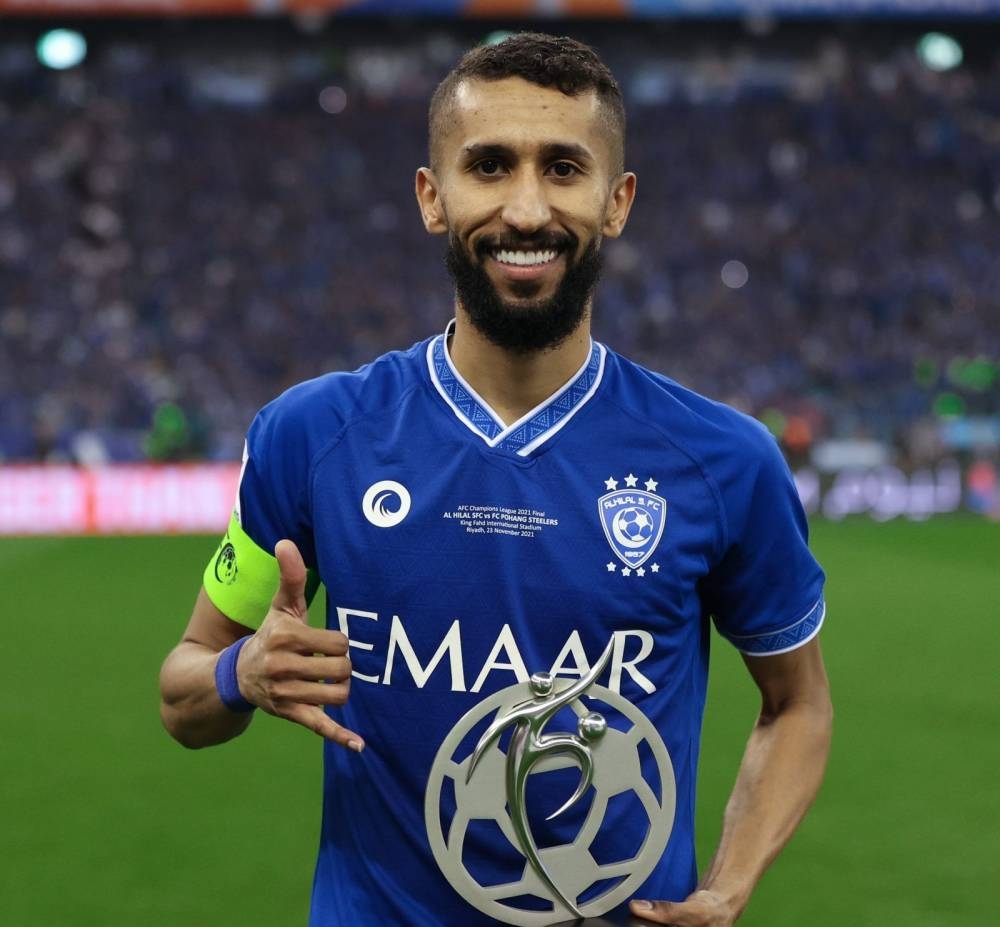
بعد مسيرة طويلة مع الهلال حافلة بالبطولات واللحظات الفارقة، كان من المتوقع والمنطقي أن يُختتم مشهد سلمان الفرج بهدوء يليق بما قدمه، وأن لا يخدش ما أنجزه مع زعيم القارة الصفراء.
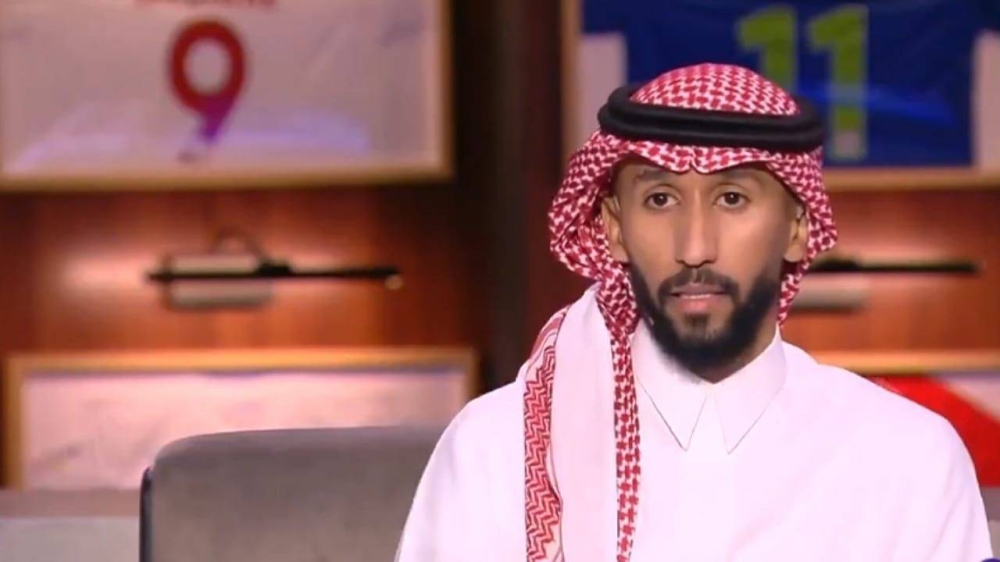
غير أن التصريحات التي خرج بها أخيراً، رغم رحيله عن النادي منذ موسم، كأنها إرادة مقصودة، و«بيدي لا بيد عمرو»، حيث بعثت على الجدل أكثر من أي وقت مضى، من حيث فائدتها وأهدافها ودلائلها.
لم تكن التصريحات محتدمة في مضمونها، لكنها جاءت بلا مناسبة، وفي توقيت لا يحمل ضرورة، ولا يبرر فتح ملفات قديمة، خصوصاً حين يتعلق الأمر بتفاصيل غامضة عن علاقته مع المدرب جيسوس الذي رحل هو الآخر دون جدل رغم غضبة الجماهير.
واللافت أن ردة الفعل لم تأت من الجمهور فحسب، بل حتى بعض اللاعبين السابقين والإعلاميين المقربين من النادي رأوا في ما قاله الفرج تجاوزاً غير مبرر، قلب المزاج العام ضده، وطرح علامة استفهام: لماذا الآن؟
يتساءل كثيرون، حتى من المحايدين، عن المكاسب المرجوة من هذا الخروج.
هل كان يحتاج لتبرئة؟
هل كان في موقع الدفاع عن نفسه؟
أم أنه فقط أراد أن يتحدث بعدما صمت طويلاً؟
المؤكد أن الفرج لم يعد داخل النادي، ولم يعد أمامه جمهور المدرج ليصفّق له مجدداً، لكنه ما زال جزءاً من الذاكرة الزرقاء.
وهنا تحديداً يختلفون: هل شوّه تصريحُه تلك الصورة؟ أم أن التاريخ يبقى أقوى من لحظة انفعال عابرة يطويها اعتذار؟
After a long journey with Al-Hilal filled with championships and pivotal moments, it was expected and logical that Salman Al-Faraj's scene would conclude quietly, befitting what he has offered, and that it would not tarnish what he accomplished with the leader of the yellow continent.
However, the statements he recently made, despite having left the club for a season, seem to be a deliberate will, and "by my hand, not by the hand of Amr," as they sparked more controversy than ever regarding their usefulness, goals, and implications.
The statements were not heated in their content, but they came without occasion, at a time that bears no necessity, and does not justify reopening old files, especially when it comes to vague details about his relationship with coach Jesus, who also left without controversy despite the fans' anger.
Notably, the reaction did not come only from the fans; even some former players and media figures close to the club saw what Al-Faraj said as an unjustified transgression, turning the general mood against him and raising a question mark: why now?
Many, even neutrals, wonder about the anticipated gains from this outburst.
Did he need to clear his name?
Was he in a position to defend himself?
Or did he simply want to speak after being silent for so long?
What is certain is that Al-Faraj is no longer within the club, and he no longer has the stadium crowd to applaud him again, but he remains a part of the blue memory.
And here, precisely, they differ: Did his statement distort that image? Or does history remain stronger than a fleeting moment of emotion that can be folded away with an apology?