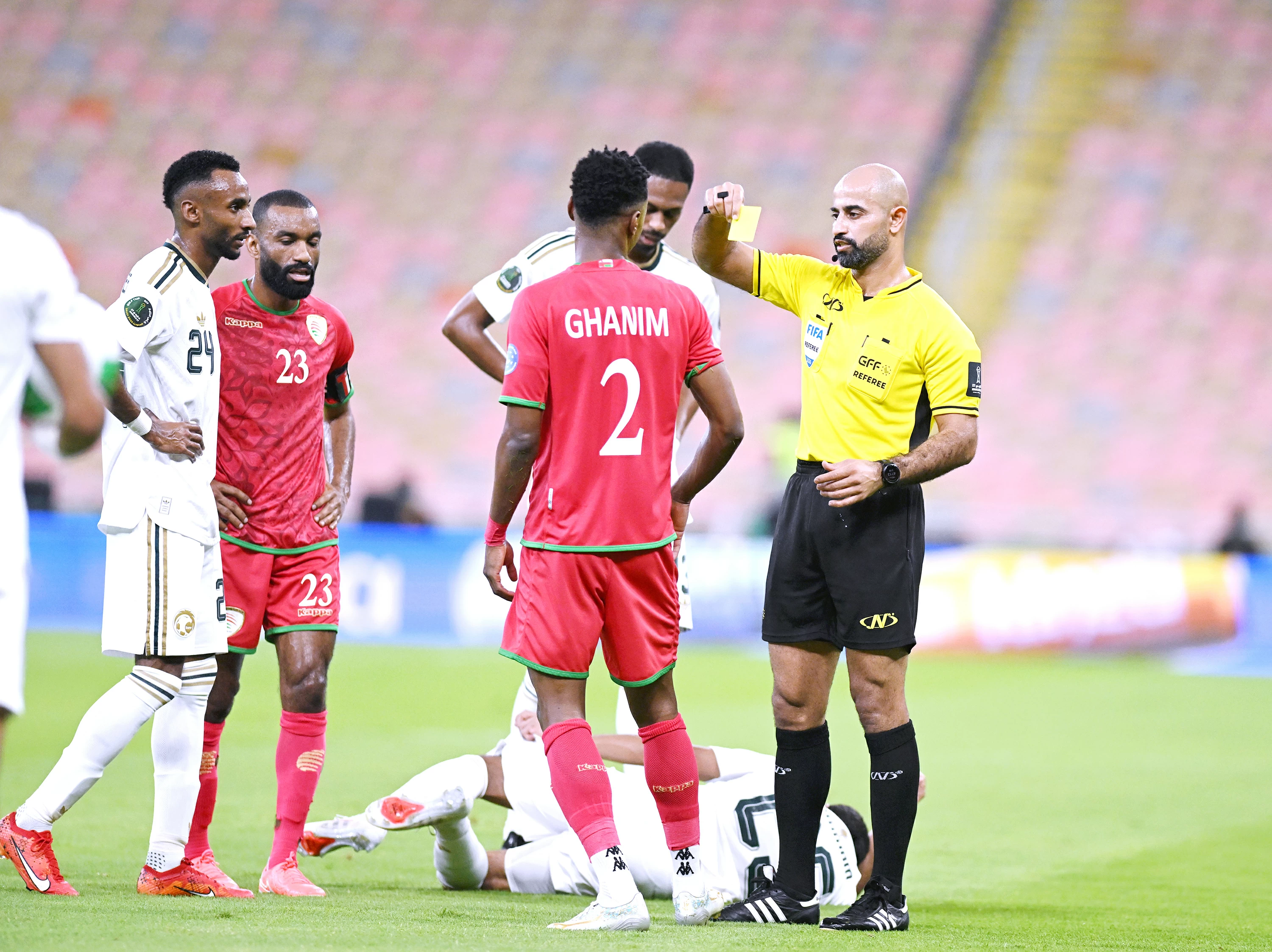
في الوقت الذي كانت فيه الجماهير تترقب صافرة الحكام وتحركات تقنية «الفار» لحسم الحالات الجدلية في مباريات «خليجي 27»، لفت الانتباه اعتماد معظم الحكام على التواصل الصوتي مع غرفة الفيديو دون التوجّه إلى الشاشة في كثير من المواقف. وبين مطالبات الجماهير بالمراجعة وثقة الحكام بقراراتهم، برز مستوى تحكيمي هادئ وعدد محدود في الأخطاء، ما يفتح باب التساؤل حول أسباب هذا الأداء اللافت.
وحول ذلك يقول مدرب اللياقة البدنية وكرة القدم سمير عادل لـ«عكاظ»: منافسات بطولة كأس الخليج السابعة والعشرين أظهرت مستوى تحكيمياً مميّزاً يعكس التطور الكبير الذي تشهده المنظومة التحكيمية الخليجية، فمن أبرز الملاحظات اللافتة خلال البطولة عدم لجوء معظم الحكام إلى مراجعة شاشة تقنية حكم الفيديو المساعد (VAR) في العديد من الحالات الجدلية، والاكتفاء بالتواصل الصوتي المباشر مع حكام غرفة الفيديو لاتخاذ القرار المناسب.
وأوضح أن هذا الأمر لا يعني تجاهل التقنية أو التقليل من أهميتها، بل يعكس في كثير من الأحيان ثقة الحكم في قراره الميداني وقدرته على قراءة الحالة بشكل صحيح من زاوية مناسبة، خاصة عندما تؤكد المراجعة السريعة من غرفة الفيديو صحة القرار المتخذ داخل الملعب، كما أن بروتوكول تقنية الفار لا يشترط بالضرورة توجه الحكم إلى الشاشة في كل حالة، وإنما يتم ذلك عندما ترى غرفة الفيديو وجود خطأ واضح ومؤثر يستوجب المراجعة الميدانية.
وأشار إلى أن الجماهير الحاضرة في المدرجات عادة ما تطالب الحكم بالعودة إلى شاشة الفار عند وقوع أي حالة مثيرة للجدل، انطلاقاً من حرصها على تحقيق العدالة وطمأنة الجميع إلى سلامة القرار، إلا أن عدم استجابة الحكم لهذه النداءات لا يعني تجاهل رغبة الجماهير، بل يدل على أن الفريق التحكيمي أكمل عملية المراجعة وفق الإجراءات المعتمدة، وأن المعلومات الواردة من غرفة الفيديو كانت كافية لتأكيد القرار دون الحاجة إلى مراجعة إضافية على الشاشة.
وبيّن أن الثقة التي أظهرها حكام خليجي 27 في قراراتهم جاءت نتيجة عوامل عديدة، من أبرزها الخبرة المتراكمة، والاستعداد الجيد قبل البطولة، واللياقة البدنية العالية التي تساعد الحكم على التمركز السليم ومتابعة مجريات اللعب عن قرب، إلى جانب الاستفادة من أحدث البرامج التدريبية التي رفعت من كفاءة الحكام وقدرتهم على التعامل مع مختلف المواقف التحكيمية.
وأضاف أن قلة الأخطاء التحكيمية خلال البطولة لم تكن أمراً عشوائياً، بل جاءت نتيجة عمل مؤسسي متكامل شمل اختيار نخبة من الحكام الأكثر جاهزية، وإقامة معسكرات وورش عمل متخصصة قبل انطلاق المنافسات، بجانب التعاون المستمر بين حكام الساحة وحكام تقنية الفيديو، كما أسهم التزام اللاعبين والانضباط التكتيكي للمنتخبات المشاركة في تقليل الحالات المعقدة التي قد تضع الحكام تحت ضغط أكبر.
واختتم عادل حديثه بالتأكيد على أن نجاح المنظومة التحكيمية في خليجي 27 يمثل أحد أبرز مكاسب البطولة، ويعكس مستوى النضج الذي وصلت إليه الكوادر التحكيمية الخليجية، الأمر الذي ساعد على خروج المباريات بصورة تنافسية عادلة عزّزت من القيمة الفنية والتنظيمية للحدث الخليجي الكبير.
At a time when the crowds were eagerly awaiting the referees' whistle and the movements of the VAR technology to resolve controversial situations in the matches of "Gulf 27," it was noticeable that most referees relied on audio communication with the video room without approaching the screen in many situations. Amid the fans' calls for reviews and the referees' confidence in their decisions, a calm refereeing level emerged with a limited number of errors, raising questions about the reasons for this remarkable performance.
In this regard, fitness and football coach Samir Adel told "Okaz": The competitions of the 27th Gulf Cup showcased a distinguished refereeing level that reflects the significant development witnessed by the Gulf refereeing system. One of the most notable observations during the tournament was that most referees did not resort to reviewing the VAR screen in many controversial cases, instead opting for direct audio communication with the video room referees to make the appropriate decision.
He clarified that this does not mean ignoring the technology or diminishing its importance, but rather reflects, in many cases, the referee's confidence in their on-field decision and their ability to read the situation correctly from an appropriate angle, especially when a quick review from the video room confirms the correctness of the decision made on the field. Additionally, the VAR protocol does not necessarily require the referee to go to the screen in every case; it is done when the video room sees a clear and impactful error that necessitates on-field review.
He pointed out that the fans present in the stands usually call for the referee to return to the VAR screen whenever a controversial situation arises, driven by their desire for justice and to reassure everyone about the soundness of the decision. However, the referee's lack of response to these calls does not mean ignoring the fans' wishes; rather, it indicates that the officiating team completed the review process according to established procedures, and the information received from the video room was sufficient to confirm the decision without the need for additional review on the screen.
He explained that the confidence displayed by the referees in Gulf 27 in their decisions resulted from several factors, most notably accumulated experience, good preparation before the tournament, and high physical fitness that helps the referee position themselves correctly and closely follow the flow of the game, along with benefiting from the latest training programs that enhanced the referees' efficiency and their ability to deal with various officiating situations.
He added that the low number of officiating errors during the tournament was not a random occurrence; rather, it resulted from a comprehensive institutional effort that included selecting a group of the most prepared referees, conducting specialized camps and workshops before the competitions began, in addition to the continuous cooperation between field referees and video referees. The players' commitment and the tactical discipline of the participating teams also contributed to reducing the complex situations that could place referees under greater pressure.
Adel concluded his remarks by emphasizing that the success of the officiating system in Gulf 27 represents one of the most significant gains of the tournament, reflecting the level of maturity reached by the Gulf officiating cadres, which helped the matches to be conducted in a competitively fair manner that enhanced the technical and organizational value of this major Gulf event.