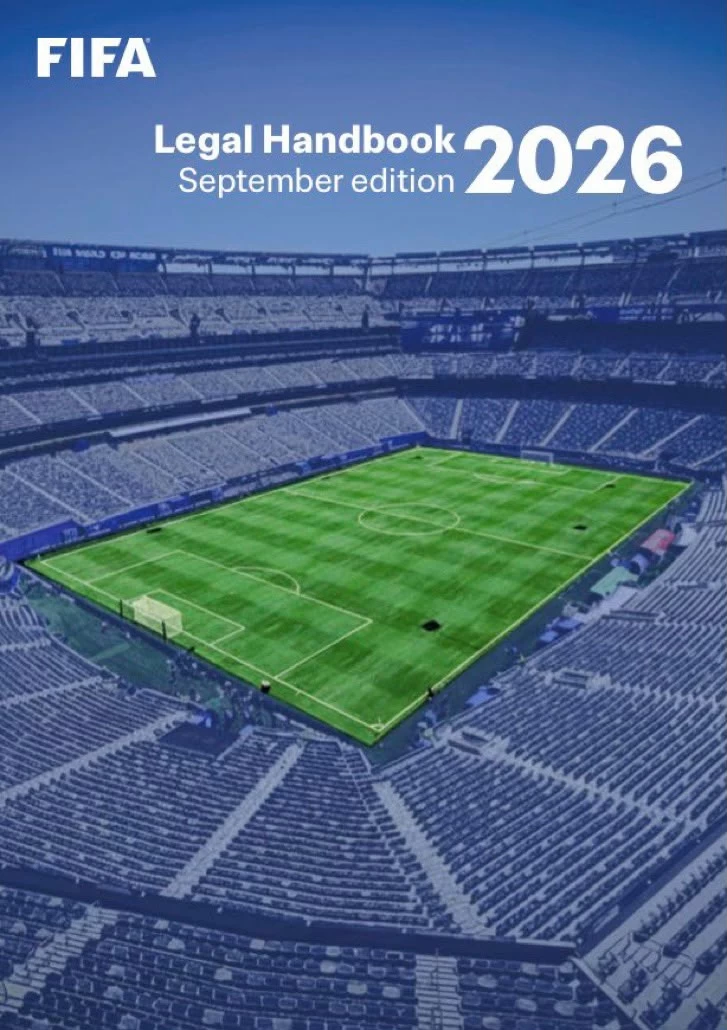
أعاد الاتحاد الدولي لكرة القدم «فيفا» رسم جانب واسع من العلاقة التعاقدية بين الأندية واللاعبين، مع نشر الدليل القانوني 2026 متضمناً النسخة المعدلة من لوائح أوضاع وانتقالات اللاعبين، المقرر دخولها حيز التنفيذ في 1 يناير 2027، ضمن تحديثات واسعة لنظام الانتقالات والعقود.
وتضع اللوائح الجديدة الأندية أمام مسؤولية أكبر في ملفات فسخ العقود والتعاقد مع اللاعبين الخارجين من نزاعات مع أنديتهم السابقة. فإذا تعاقد نادٍ جديد مع لاعب خلال 45 يوماً من إخلال اللاعب بعقده السابق، تقوم قرينة قانونية على احتمال تحريض النادي الجديد للاعب على خرق العقد، ويصبح على النادي إثبات العكس أمام الجهات القضائية المختصة في «فيفا».
ويمثل ذلك تحولاً مهماً في الصفقات التي يفسخ فيها اللاعب عقده من طرف واحد ثم ينتقل سريعاً إلى نادٍ آخر؛ إذ قد يتجاوز النزاع العلاقة بين اللاعب وناديه السابق ليطال النادي الجديد مالياً ورياضياً متى ثبت التحريض.
وأعادت اللوائح صياغة قواعد التعويض عن فسخ العقد دون سبب مشروع، مع السماح للطرفين بتحديد التعويض مسبقاً في العقد، وإبقاء سلطة محكمة كرة القدم في مراجعة المبالغ المفرطة أو غير المتناسبة. وعند غياب بند تعويض متفق عليه، تدخل في الحساب عوامل تشمل القيمة المتبقية للعقد، وفقد خدمات اللاعب، وخسارة القيمة المحتملة لانتقاله، وتكلفة التعاقد مع البديل.
ووضعت التعديلات نظاماً تصاعدياً لمعاقبة الأندية التي تكرر خرق العقود خلال الفترة المحمية، يبدأ بالإنذار والغرامة، ثم ينتقل إلى تقييد عدد اللاعبين الذين يمكن تسجيلهم، وصولاً إلى المنع من التسجيل لفترة أو فترتي تسجيل عند تكرار المخالفات، وفق جسامة المخالفة وتسلسلها.
كما أعاد «فيفا» توزيع مدة الفترة المحمية Protected Period تبعاً لعمر اللاعب عند توقيع العقد، بحيث تقل المدة تدريجياً كلما ارتفع عمر اللاعب، في محاولة لتحقيق توازن بين استقرار العقود وحرية الحركة المهنية.
ومن أبرز المستجدات الاقتصادية منح فئة من اللاعبين حقاً مباشراً في جزء من قيمة انتقالهم. فإذا كان الراتب الثابت للاعب لدى ناديه السابق دون 150 ألف يورو سنوياً، يحصل اللاعب في الحالات التي حددتها اللوائح على 5% من التعويض الثابت للانتقال الذي يتسلمه النادي البائع فعلياً، وتوزع النسبة بالتناسب مع الأقساط إذا كانت الصفقة مقسطة.
وفي ملف الانتقالات المتتابعة، أبقت اللوائح على قاعدة Bridge Transfer - الانتقال الجسري، التي تضع الانتقالين المتتاليين خلال 16 أسبوعاً تحت التدقيق، متى ظهرت مؤشرات على استخدام نادٍ وسيط للتحايل على اللوائح أو القيود التنظيمية.
وشملت التحديثات أيضاً اللاعبين القاصرين، مع تنظيم أكثر تفصيلاً للعقود ومدد الاختبارات ومتطلبات الحماية والتعليم والرعاية، إضافة إلى ضوابط تسمح في حالات محددة بعقود أطول لمن هم دون 18 عاماً وفق شروط واضحة.
وامتدت الحماية إلى كرة القدم النسائية، عبر ضمانات تتعلق بالحمل وإجازات الأمومة والتبني والظروف الصحية المرتبطة بالدورة الشهرية، مع حماية الأجر وتشديد العقوبات على الأندية التي تنهي العقود لأسباب ترتبط بهذه الحقوق.
وتأتي هذه الإصلاحات بعد مراجعات قانونية واسعة أعقبت قضية الفرنسي لاسانا ديارا أمام محكمة العدل الأوروبية، والتي أثارت إشكالات مرتبطة بالتعويض عن فسخ العقود، ومسؤولية النادي الجديد، وحرية انتقال اللاعبين.
وبذلك تدخل الأندية بداية من 2027 سوقاً أكثر تعقيداً قانونياً؛ فالصفقة لن تقاس بقيمة الانتقال والراتب وحدهما، وإنما بتاريخ فسخ العقد، وسلوك النادي الجديد، والفترة المحمية، والتعويض، وتسلسل انتقالات اللاعب، وهي عناصر تجعل Legal Due Diligence - العناية القانونية الواجبة جزءاً أساسياً قبل إتمام أي صفقة.
The International Football Federation "FIFA" has redefined a wide aspect of the contractual relationship between clubs and players, with the publication of the 2026 legal guide that includes the amended version of the Regulations on the Status and Transfer of Players, set to come into effect on January 1, 2027, as part of extensive updates to the transfer and contract system.
The new regulations place greater responsibility on clubs regarding contract termination files and signing players who are in disputes with their previous clubs. If a new club signs a player within 45 days of the player breaching their previous contract, there is a legal presumption that the new club has encouraged the player to breach the contract, and it becomes the club's responsibility to prove otherwise before the relevant judicial authorities at FIFA.
This represents a significant shift in transactions where a player unilaterally terminates their contract and then quickly transfers to another club; the dispute may extend beyond the relationship between the player and their previous club to financially and sportingly affect the new club if encouragement is proven.
The regulations have also restructured the rules for compensation for contract termination without just cause, allowing both parties to pre-determine compensation in the contract, while maintaining the authority of the Football Court to review excessive or disproportionate amounts. In the absence of an agreed compensation clause, factors considered include the remaining value of the contract, loss of the player's services, potential loss of value from their transfer, and the cost of signing a replacement.
The amendments established a progressive system to penalize clubs that repeatedly breach contracts during the protected period, starting with warnings and fines, then moving to restrictions on the number of players that can be registered, and ultimately leading to a ban on registration for one or two registration periods upon repeated violations, depending on the severity and sequence of the infractions.
FIFA has also redistributed the duration of the Protected Period based on the player's age at the time of signing the contract, gradually reducing the duration as the player's age increases, in an attempt to achieve a balance between contract stability and professional mobility.
Among the most notable economic developments is granting a category of players a direct right to a portion of their transfer value. If a player's fixed salary at their previous club is below 150,000 euros annually, the player is entitled, in cases specified by the regulations, to 5% of the fixed compensation for the transfer that the selling club actually receives, with the percentage distributed proportionally if the deal is installment-based.
In the case of consecutive transfers, the regulations maintained the Bridge Transfer rule, which scrutinizes two consecutive transfers within 16 weeks whenever there are indications that a club is using an intermediary to circumvent the regulations or regulatory restrictions.
The updates also included provisions for minor players, with more detailed regulations regarding contracts, trial periods, and protection and education requirements, in addition to controls that allow for longer contracts for those under 18 under specific conditions.
Protection has also extended to women's football, through guarantees related to pregnancy, maternity and adoption leave, and health conditions associated with the menstrual cycle, with protections for wages and stricter penalties for clubs that terminate contracts for reasons related to these rights.
These reforms come after extensive legal reviews following the case of French player Lassana Diarra before the European Court of Justice, which raised issues related to compensation for contract termination, the responsibility of the new club, and player transfer freedom.
Thus, starting in 2027, clubs will enter a more legally complex market; the transaction will not be measured solely by the transfer value and salary, but also by the contract termination date, the behavior of the new club, the protected period, compensation, and the sequence of the player's transfers, all of which make Legal Due Diligence an essential part before completing any deal.