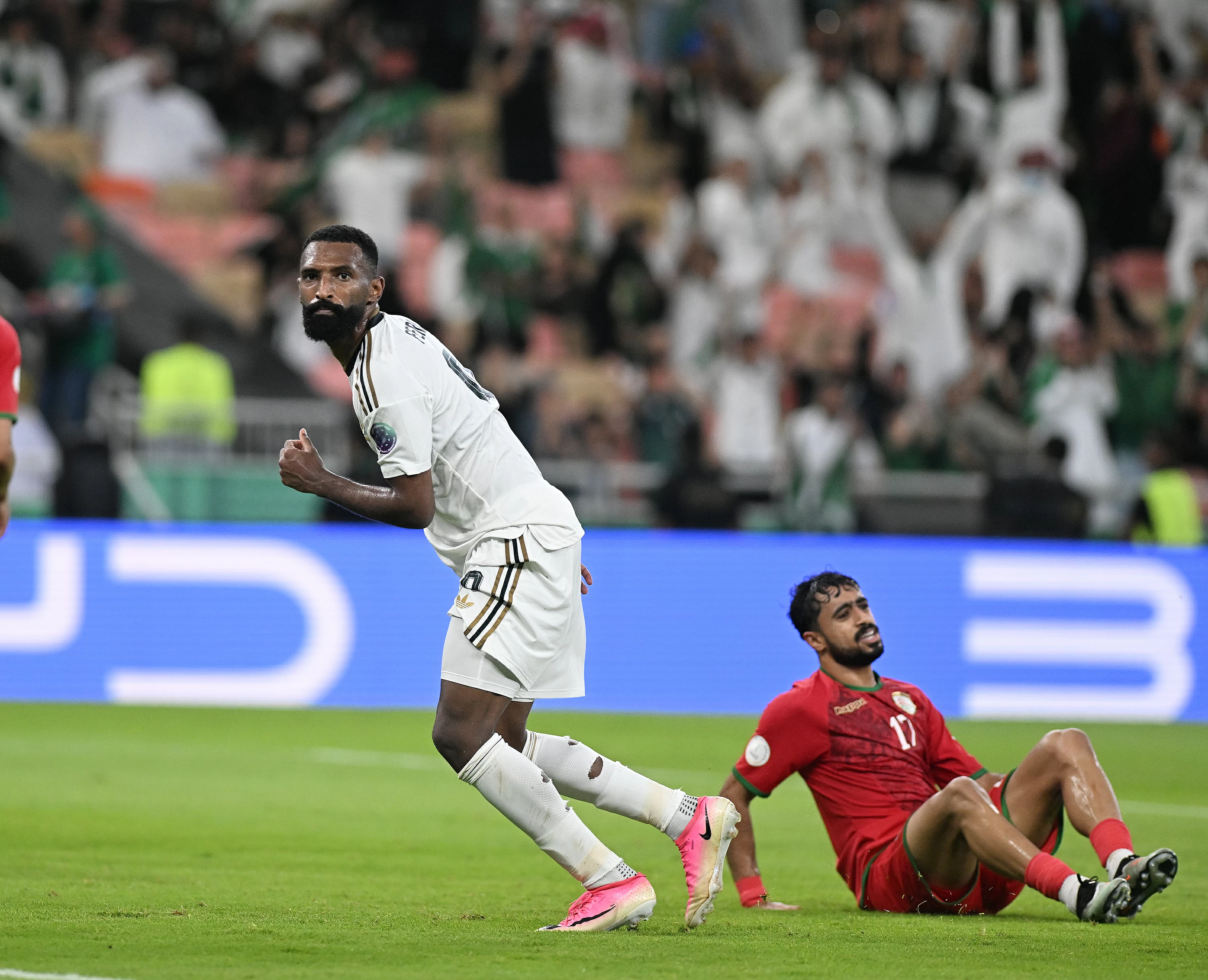
أعرب مدرب المنتخب العُماني عن خيبة أمله من نتيجة مواجهة المنتخب السعودي، مؤكداً أن فريقه دخل المباراة بطموح تحقيق نتيجة إيجابية، إلا أن البداية الصعبة واستقبال الأهداف في الشوط الأول أثرا على سير اللقاء.
واعترف المدرب بأفضلية المنتخب السعودي، مشيراً إلى أن المنافس امتلك قوة بدنية واضحة، ونجح في فرض الضغط وكسب المواجهات الثنائية والمساحات الهوائية والأرضية، إلى جانب التحرك برشاقة وسلاسة، مؤكداً أن هذا التفوق «لا يأتي من فراغ، بل نتيجة عمل».
وأوضح أن المنتخب العُماني لم يظهر بالصورة المطلوبة في الشوط الأول، قبل أن يتحسن أداؤه في الشوط الثاني ويصنع عدداً من الفرص ويزيد من ضغطه على المنافس.
وعن تأثير الإرهاق، أشار إلى أن بعض اللاعبين عانوا من التعب، لكنه رفض اتخاذ ذلك عذراً للخسارة، موضحاً أن النتيجة ارتبطت بعوامل فنية وبدنية وذهنية عدة. ولفت إلى أن استقبال هدفين من كرات ثابتة يعكس مشكلة في التركيز، مشيراً إلى أن انخفاض الجاهزية البدنية قد يؤثر بدوره على التركيز الذهني.
وأكد أهمية إعداد اللاعبين بصورة احترافية طوال الموسم، من خلال الراحة والاستشفاء والعمل على تطوير القدرات البدنية، حتى يكون اللاعب قادراً على التعامل مع ضغط خوض مباراتين خلال ثلاثة أيام بالمستوى المطلوب.
وحول خيارات اللاعبين وبعض المراكز، أكد أن الجهاز الفني يدرس جميع الملاحظات والخيارات التي يمكن أن تخدم المنتخب مستقبلاً، مشدداً على أن كل ما يظهر خلال المباريات يمثل مادة مهمة للبناء عليها ومعالجة جوانب النقص.
وتطرق إلى الفترة التي قضاها الجهاز الفني مع المنتخب، موضحاً أن الأشهر الستة الماضية لم تكن ستة أشهر من العمل المتواصل، إذ اقتصرت على ثلاثة معسكرات قصيرة، في ظل ظروف صعبة شملت تغييرات في العناصر وكثرة الإصابات وتحديات تتعلق بالجاهزية والانسجام، لكنه أكد أن المنتخب قطع رغم ذلك خطوات مهمة نحو بناء هوية واضحة للفريق.
وشدد على أن المشروع المستقبلي يتجاوز تحقيق انتصار عابر أمام منتخب كبير بحجم السعودية، مؤكداً أن الهدف هو بناء منتخب قادر على الاستمرار في تحقيق النتائج، بحيث لا يكون الفوز في مباراة كبيرة مجرد نتيجة استثنائية تتبعها فترة طويلة دون نتائج إيجابية.
وأضاف أن الخسارة خلّفت خيبة أمل لدى اللاعبين والجهاز الفني والجميع، «لكن لا يوجد استسلام ما دام الأمل قائماً والمنافسة مستمرة»، مؤكداً ضرورة التعامل مع الهزيمة بهدوء وإيجابية وتحليل الأخطاء قبل التوجه إلى المباراة القادمة.
وأشار إلى أن عملية المراجعة تبدأ منه شخصياً، موضحاً أنه بعد كل مباراة يقوم بتقييم قراراته وأداء الفريق، سواء انتهت المواجهة بالفوز أو التعادل أو الخسارة، وقال إن الانتصار حتى لو كان بثلاثة أو أربعة أو خمسة أهداف لا يمنعه من البحث عن الأخطاء والجوانب التي كان بإمكانه التعامل معها بصورة أفضل.
وأكد أن المدرب يجب أن يبدأ بنفسه عند تحليل الأخطاء، ثم ينتقل إلى تقييم الفريق والعمل على تطويره، مشدداً على أن الفوز أو الخسارة لا ينبغي أن يغيرا الرغبة المستمرة في التعلم والتطور.
واعتبر أن مواجهة السعودية قدمت للجهاز الفني العديد من المؤشرات والدروس المهمة للمستقبل والاستحقاقات القادمة، مؤكداً أن الهدف لا يقتصر على النتيجة، وإنما الاستفادة من كل مباراة في مسيرة بناء المنتخب.
واختتم بالتأكيد على أن المنتخب سيخوض مواجهته القادمة «بكل قلب وروح» بحثاً عن الفوز، مع مواصلة العمل بهدوء وثقة والتزام ومسؤولية، وتصحيح الأخطاء من أجل بناء منتخب قادر على تحقيق الاستمرارية في الأداء والنتائج.
The coach of the Omani national team expressed his disappointment with the result of the match against the Saudi national team, confirming that his team entered the match with the ambition of achieving a positive result. However, the difficult start and conceding goals in the first half affected the course of the match.
He acknowledged the superiority of the Saudi national team, pointing out that the opponent had a clear physical strength and succeeded in applying pressure and winning duels, both aerial and ground, in addition to moving with agility and fluidity, emphasizing that this superiority "does not come from nowhere, but is the result of work."
He explained that the Omani national team did not perform as required in the first half, before improving its performance in the second half, creating several chances and increasing pressure on the opponent.
Regarding the impact of fatigue, he noted that some players suffered from tiredness, but he refused to use that as an excuse for the loss, explaining that the result was linked to several technical, physical, and mental factors. He pointed out that conceding two goals from set pieces reflects a problem with concentration, noting that a decline in physical readiness may also affect mental focus.
He emphasized the importance of preparing players professionally throughout the season, through rest and recovery, and working on developing physical capabilities, so that players can handle the pressure of playing two matches within three days at the required level.
Regarding player options and some positions, he confirmed that the technical staff is studying all observations and options that could benefit the national team in the future, stressing that everything that appears during matches represents important material to build upon and address areas of deficiency.
He touched on the period the technical staff spent with the national team, explaining that the past six months were not six months of continuous work, as they were limited to three short camps, amid difficult circumstances that included changes in personnel, numerous injuries, and challenges related to readiness and cohesion. However, he affirmed that the team has made important strides towards building a clear identity for the squad.
He stressed that the future project goes beyond achieving a fleeting victory against a large team like Saudi Arabia, affirming that the goal is to build a team capable of continuing to achieve results, so that winning a big match is not just an exceptional result followed by a long period without positive outcomes.
He added that the loss left disappointment among the players, the technical staff, and everyone, "but there is no surrender as long as hope remains and competition continues," emphasizing the need to deal with the defeat calmly and positively, analyzing mistakes before heading into the next match.
He pointed out that the review process starts with him personally, explaining that after every match he evaluates his decisions and the team's performance, whether the match ended in victory, draw, or loss. He said that a victory, even if by three, four, or five goals, does not prevent him from searching for mistakes and aspects he could have handled better.
He affirmed that the coach must start with himself when analyzing mistakes, then move on to evaluate the team and work on its development, stressing that winning or losing should not change the continuous desire to learn and improve.
He considered that facing Saudi Arabia provided the technical staff with many important indicators and lessons for the future and upcoming challenges, confirming that the goal is not limited to the result, but rather to benefit from every match in the journey of building the national team.
He concluded by emphasizing that the national team will approach its next match "with all heart and soul" in search of victory, while continuing to work calmly, confidently, with commitment and responsibility, and correcting mistakes to build a team capable of achieving consistency in performance and results.